

All blogs
Guide to Workers' Compensation and Workplace Safety
2025-07-08 15:09:10.167644+00
Author Nigel Lewis BA (Hons) CMIOSH OSHCR PIEMA
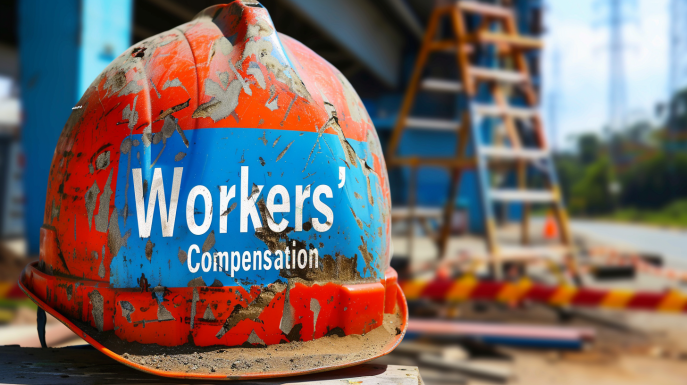
Ensuring workers' compensation and maintaining rigorous workplace safety measures is more than a legal obligation—it is a fundamental pillar of responsible corporate stewardship. Having navigated the complexities of workplace regulations firsthand, I have witnessed the profound, transformative impact that prioritising employee safety can have. For businesses striving for sustainable success, understanding and implementing these essential elements is not just beneficial but imperative.Learning and implementing H&S standards complement the comprehensive approach to workers' compensation and workplace safety outlined in this guide, fostering a proactive safety management culture and sustainable business practices. This qualification equips professionals with advanced knowledge in identifying workplace hazards, implementing effective risk management strategies, and ensuring compliance with stringent health and safety regulations.
Understanding Workers' Compensation
What is Workers' Compensation?Workers' compensation is a form of insurance that provides wage replacement and medical benefits to injured employees. It is a legally mandated program in most countries, designed to protect both employees and employers in the event of workplace injuries or illnesses. Organisations like the Occupational Safety and Health Administration (OSHA) and workers' compensation are interconnected components of workplace safety and employee protection in the United States. OSHA sets and enforces safety standards to prevent workplace hazards, reducing the likelihood of workplace injuries and illnesses. OSHA and workers' compensation work to create safer workplaces, protect employee health, and ensure that injured workers receive appropriate benefits and support.Benefits of Workers' Compensation:
Eligibility and Coverage:Eligibility for workers' compensation typically extends to all employees, regardless of full-time, part-time, or temporary status. Coverage includes injuries sustained on the job, occupational illnesses, and injuries resulting from work-related activities.
Filing a Claim:Employees must notify their employer promptly after an injury and follow specific procedures to file a claim. Employers are responsible for reporting the injury to their workers' compensation insurance carrier and initiating the claims process.
Importance of Workplace Safety
Creating a Safe Work Environment:Workplace safety refers to the measures and practices to ensure employees' physical, mental, and emotional well-being. A safe work environment reduces the risk of injuries and enhances employee productivity and morale.
Key Components of Workplace Safety:
Legal and Ethical Responsibilities:Employers must legally provide a safe workplace under occupational health and safety regulations. Failure to adhere to these regulations can result in penalties, fines, and legal liabilities.
Benefits of Workplace Safety:
Workers' compensation and workplace safety are legal obligations and fundamental pillars of responsible business operations. From my experience, prioritising employee well-being through robust safety measures and fair compensation for work-related injuries meets regulatory standards and cultivates a positive organisational culture. By investing in comprehensive safety protocols and fostering a supportive environment, businesses can enhance productivity, reduce turnover, and drive sustainable growth.
Develop your knowledge and practice
Compare qualifications against your responsibilities and experience. Explore the Health & Safety qualifications or ask SHEC about a suitable study route.

Author:
Nigel Lewis BA (Hons) CMIOSH OSHCR PIEMA








Related blogs
 Advice
Asbestos in Construction: What Senior Professionals Must Know
Advice
Manual Handling in Construction: Responsibilities at Every Level

Advice
Risk Assessments and Method Statements: Getting RAMS Right

Advice
Work at Height in Construction: Managing the Risk

Driving Culture and Performance in HS

Education and Training
Strategic Environmental Management – A Key Requirement at Level 7
Near Miss Reporting in Construction
The Competent Person in Construction: More Than a Certificate
How to Prepare for a HSE Construction Site Inspection
Advice
Understanding CDM 2015: A Practical Guide

2024-06-12 16:20:00Advice
Construction Site Inspections: Why They Matter and What to Expect

Education and Training
How to Apply for a CSCS Card: A Step-by-Step Guide for UK Construction

Education and Training
Does a Leisure Facility Require a Health and Safety Certificate?

Education and Training
Successful Health and Safety Case Studies in the UK Leisure Industry

Education and Training
Training for Health and Safety in Leisure

Education and Training
Health and Safety Training Programs in the Leisure Industry

Preventive Measures
Case Studies on Health and Safety Success in Leisure

Preventive Measures
Health and Safety in Leisure Centre Changing Rooms

Workplace Culture
Health and Safety Procedures in Hotels
Workplace Culture
Health and Safety in a Leisure Centre