

All blogs
Advancing Workplace Safety: Technology, Oversight and Protocols
2025-07-08 15:09:08.09617+00
Author Nigel Lewis BA (Hons) CMIOSH OSHCR PIEMA

Workplace safety has always been a priority, but it’s no longer enough to rely on traditional methods in today's fast-paced and rapidly evolving world. As industries evolve, so must the systems and processes that keep employees safe. Technology, stringent oversight, and well-structured protocols are the pillars upon which a robust safety culture can be built. These elements are not just optional enhancements—they are essential tools in reducing accidents, enhancing productivity, and ensuring the well-being of workers.
I firmly believe that the future of workplace safety lies in an integrated approach that combines the power of technology with a commitment to strong oversight and adherence to well-established safety protocols. This balanced approach minimises the risks workers face and enhances an organisation's workforce's overall productivity and well-being. In this article, we delve into how organisations can create safer work environments and protect the well-being of their employees.
Are there laws in the UK to ensure your safety?
In the United Kingdom, ensuring a safe work environment is governed by various laws and regulations aimed at protecting the health and safety of employees. Health and Safety at Work Act 1974 (HSWA) is the primary piece of legislation that sets out the general duties employers have to ensure the health, safety, and welfare of their employees and others who may be affected by their work activities. It requires employers to provide a safe working environment, adequate training, and supervision and to conduct risk assessments to identify and mitigate workplace hazards. Management of Health and Safety at Work Regulations 1999 provide more detailed requirements for managing health and safety in the workplace. They cover areas such as risk assessments, health and safety policies, and arrangements for emergency procedures.
Harnessing Technology and Expert Oversight
Transforming Workplace Safety Technology has significantly revolutionised workplace safety practices, offering innovative solutions to mitigate risks and protect employees. Advanced monitoring systems, equipped with sensors, play a vital role in hazard detection and monitoring, swiftly identifying potential risks such as gas leaks or temperature fluctuations. With the expertise of skilled professionals like Fire Safety Officers and individuals with qualifications such as the NEBOSH Diploma, organisations can develop comprehensive safety strategies. Fire Safety Officers conduct thorough risk assessments, develop emergency response plans, and oversee employee fire safety training programs. Their expertise and technological advancements ensure proactive measures are in place to prevent fire incidents and protect lives and property.
Compliance and Continuous Improvement: Navigating Legal Obligations and Enhancing Safety Practices
In addition to enhancing safety practices, organisations must navigate legal obligations and ensure compliance with health and safety regulations. Skilled professionals are crucial in conducting thorough accident investigations and reporting findings to relevant authorities. By leveraging technology and expertise, organisations can comply with regulations and drive continuous improvement in safety practices. The HSE provides guidance and resources to help employers understand their legal obligations and improve health and safety practices. This includes advice on risk assessment, accident investigation, and implementing effective health and safety management systems. Employers are encouraged to regularly review HSE guidance and adopt best practices to improve their health and safety performance continuously. This collaborative approach fosters a safety culture, empowers employees to participate in safety initiatives actively, and ensures the workforce's well-being.
Essential Fire Safety Protocols Every Employee Should Know
Beyond technological advancements and expert oversight, every employee must be familiar with essential fire safety protocols. These protocols include:
• Fire Prevention Measures: Employees should be trained to identify potential fire hazards, such as blocked fire exits, overloaded electrical sockets, or improper storage of flammable materials.
• Emergency Evacuation Procedures: Clear evacuation routes and assembly points should be established, and employees should be trained on evacuation procedures, including how to exit the building safely and where to gather in case of a fire.
• Proper Use of Firefighting Equipment: Employees should be familiar with the location and proper use of firefighting equipment, such as fire extinguishers and fire blankets. Regular training sessions should be conducted to ensure proficiency in using this equipment.
• Reporting Procedures: Employees should know how to promptly report fire hazards or incidents. Clear reporting procedures ensure that potential risks are addressed promptly, preventing accidents and injuries.
Advancing workplace safety through technology, oversight, and strong protocols is no longer optional—it’s essential for protecting employees and fostering a culture of responsibility. As industries embrace innovation, they must also maintain a commitment to oversight and adherence to best practices. When these elements work together, they form a comprehensive approach that reduces risks and builds a safer and more resilient work environment. By embracing technology while maintaining human oversight, businesses can ensure that workplace safety is not just a policy but a lasting priority.
Develop your knowledge and practice
Compare qualifications against your responsibilities and experience. Explore the Health & Safety qualifications or ask SHEC about a suitable study route.

Author:
Nigel Lewis BA (Hons) CMIOSH OSHCR PIEMA








Related blogs
 Advice
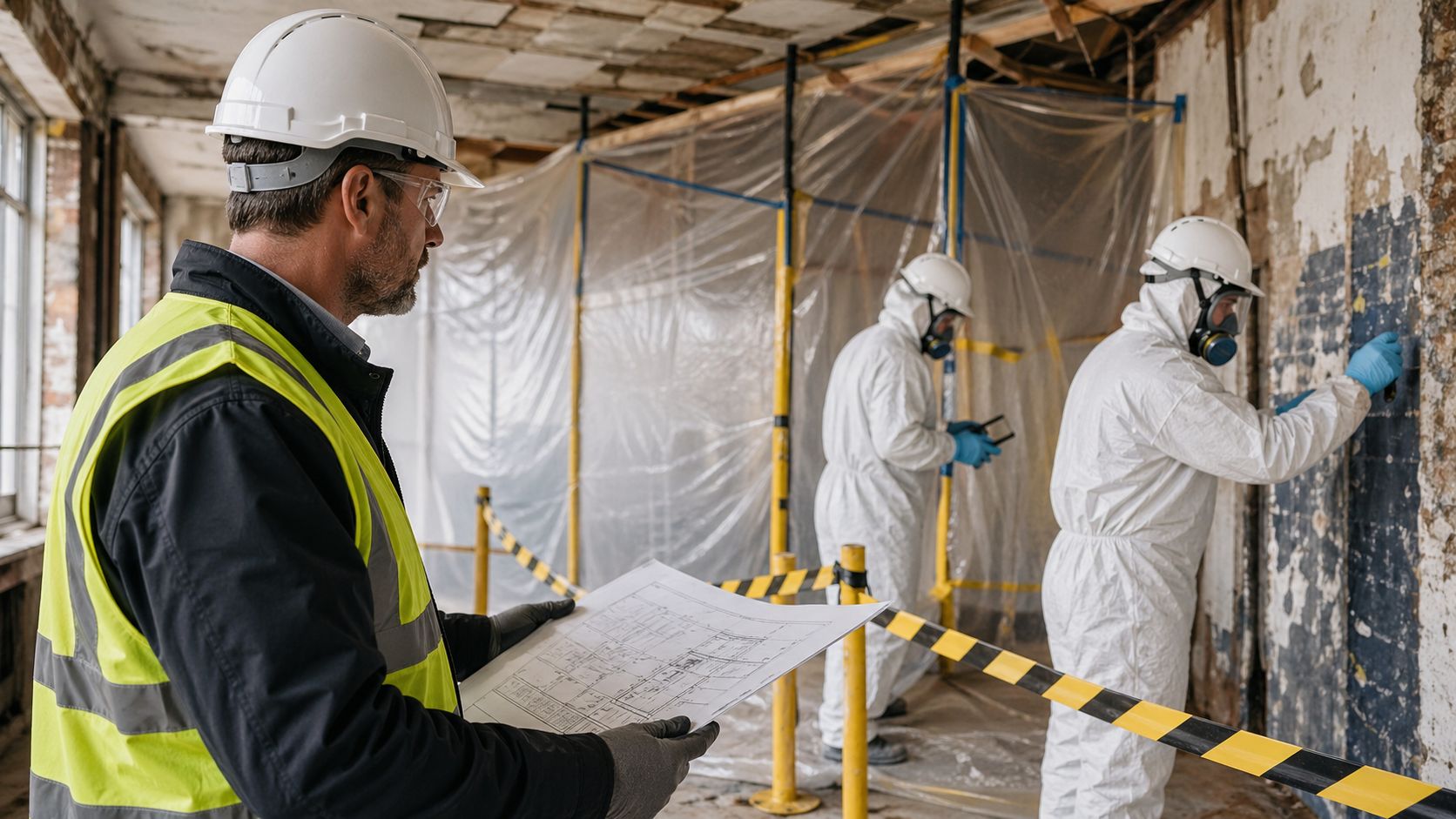
Asbestos in Construction: What Senior Professionals Must Know
Advice
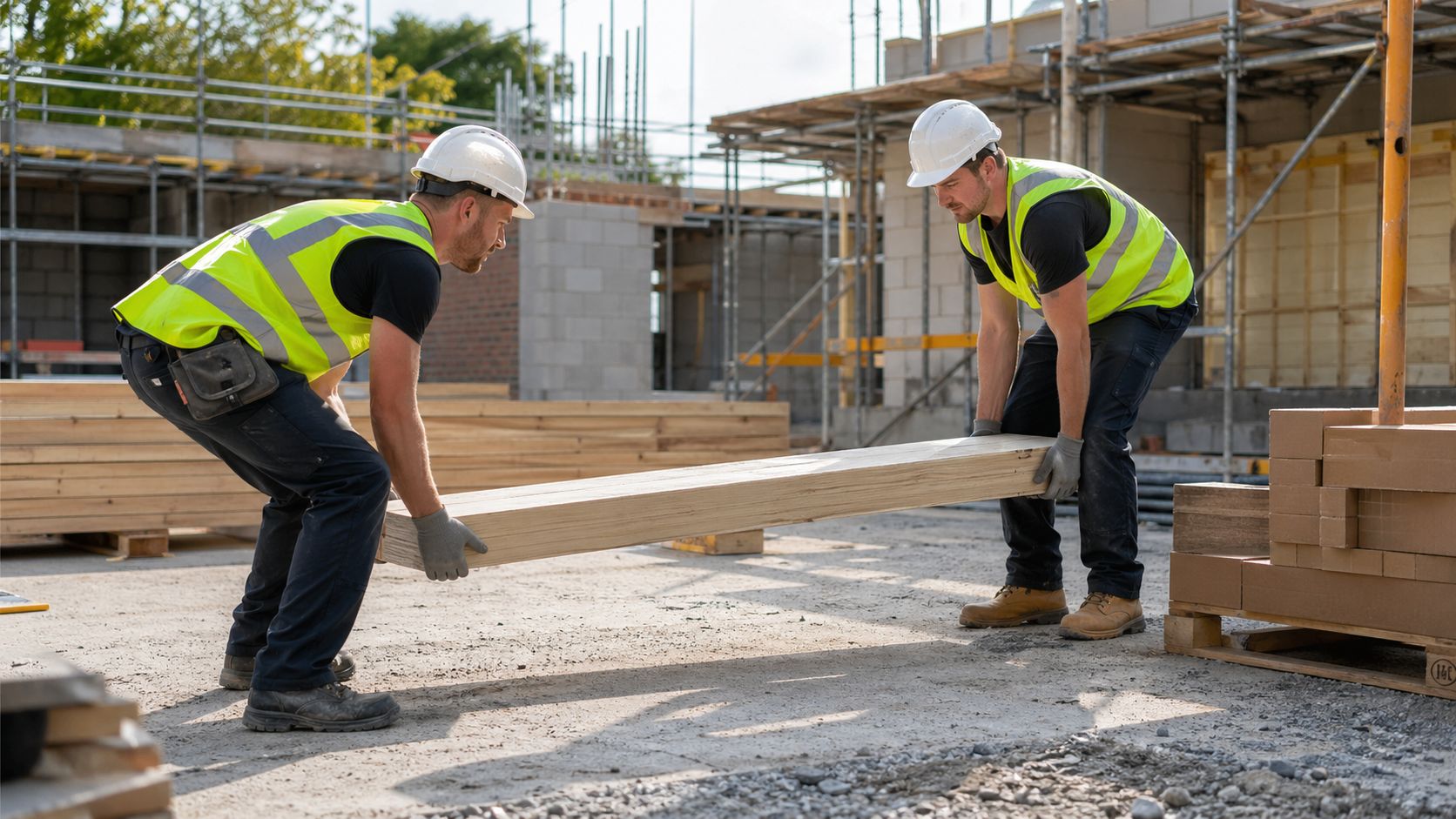
Manual Handling in Construction: Responsibilities at Every Level

Advice
Risk Assessments and Method Statements: Getting RAMS Right

Advice
Work at Height in Construction: Managing the Risk

Driving Culture and Performance in HS
Education and Training
Strategic Environmental Management – A Key Requirement at Level 7
Near Miss Reporting in Construction
The Competent Person in Construction: More Than a Certificate
How to Prepare for a HSE Construction Site Inspection
Advice
Understanding CDM 2015: A Practical Guide

2024-06-12 16:20:00Advice
Construction Site Inspections: Why They Matter and What to Expect

Education and Training
How to Apply for a CSCS Card: A Step-by-Step Guide for UK Construction

Education and Training
Does a Leisure Facility Require a Health and Safety Certificate?

Education and Training
Successful Health and Safety Case Studies in the UK Leisure Industry

Education and Training
Training for Health and Safety in Leisure

Education and Training
Health and Safety Training Programs in the Leisure Industry

Preventive Measures
Case Studies on Health and Safety Success in Leisure

Preventive Measures
Health and Safety in Leisure Centre Changing Rooms

Workplace Culture
Health and Safety Procedures in Hotels

Workplace Culture
Health and Safety in a Leisure Centre