

All blogs
Building Resilience Through Teamwork: A Guide for Managers
Advice
2025-07-08 15:09:11.500152+00
Author Nigel Lewis BA (Hons) CMIOSH OSHCR PIEMA
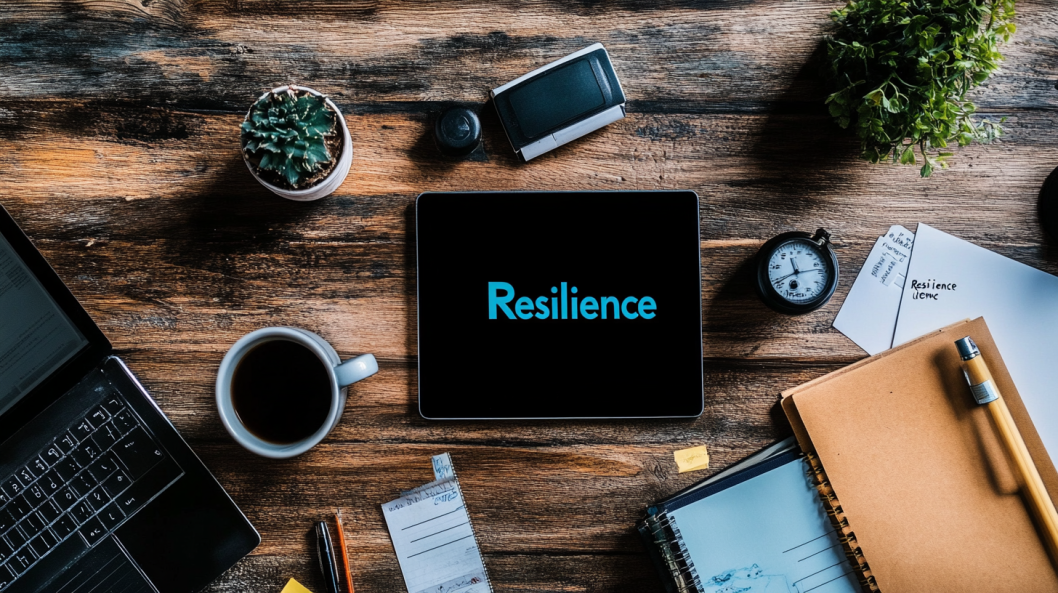
In today's unpredictable business environment, resilience is a crucial trait organisations need to thrive. Resilience isn't just about weathering storms; it's about bouncing back stronger and learning from adversity. One of the most effective ways to build resilience within a team is through teamwork, as it allows individuals to share diverse perspectives, combine strengths, and tackle challenges collectively, enhancing problem-solving and adaptability in the face of uncertainty. I firmly believe that resilience is an individual trait and a collective strength that can be cultivated through effective teamwork. In today's fast-paced and often unpredictable business environment, the ability of a team to adapt, support one another, and maintain high performance under pressure is invaluable. Understanding and implementing effective leadership and management in health and safety involves fostering a positive culture, promoting open communication, and ensuring that teams are well-equipped to handle challenges, all of which are key components in building resilience through teamwork. Here's a guide on how to build resilience through teamwork:
1. Foster Open Communication
Effective teamwork begins with open and honest communication. Encourage team members to share their thoughts, ideas, and concerns. Regular check-ins, feedback sessions, and transparent communication channels help create an environment where everyone feels heard and valued. This openness builds trust and ensures issues are addressed promptly, preventing minor problems from escalating.
2. Set Clear Goals and Expectations
Clarity is crucial for resilience. The Equal Employment Opportunity Commission (EEOC) enforces laws requiring clear and fair workplace expectations to prevent discrimination and ensure equal opportunity. Make sure that every team member understands their role, responsibilities, and the overall goals of the project or organisation. Clear objectives help the team stay focused and aligned, reducing confusion and minimising the impact of unexpected challenges. When everyone knows what’s expected, they can more effectively collaborate and adapt to changes.
3. Promote a Positive Team Culture
A positive and inclusive team culture can significantly enhance resilience. Celebrate successes, recognise individual and team achievements, and foster a sense of camaraderie. Encourage team members to support each other and build strong interpersonal relationships. A positive environment makes it easier for teams to overcome difficulties and maintain motivation during tough times.
4. Encourage Collaboration and Innovation
Promote a culture of collaboration where team members are encouraged to work together and share their expertise. Diverse perspectives can lead to creative solutions and innovative approaches to problem-solving. By leveraging the collective knowledge and skills of the team, you can enhance the team's ability to adapt and respond to challenges effectively.
5. Provide Training and Development Opportunities
Investing in your team's development helps build resilience by equipping them with the skills and knowledge to handle various challenges. Offer training programs focusing on technical and soft skills such as communication, problem-solving, and stress management. A well-rounded skill set enables team members to adapt to new situations and bounce back from setbacks.
6. Model Resilient Behavior
As a manager, your behaviour sets the tone for the team. Demonstrate resilience by staying calm under pressure, maintaining a positive attitude, and addressing challenges proactively. Your problem-solving and stress-management approach will influence how your team handles adversity. Lead by example to inspire resilience and confidence in your team.
7. Encourage Work-Life Balance
A balanced approach to work and life can prevent burnout and enhance overall resilience. Support flexible work arrangements, promote time management practices, and encourage team members to take breaks and manage their workload effectively. A well-rested, balanced team is better equipped to handle stress and recover from setbacks.
8. Build a Supportive Network
Encourage team members to build relationships both within and outside the team. A strong support network can provide additional resources and perspectives during challenging times. Networking within the organisation and industry can also offer new opportunities and insights that contribute to resilience.
9. Reflect and Learn from Experiences
After overcoming a challenge, take the time to reflect on what worked well and what could be improved. Conduct debriefs and encourages team members to share their experiences and lessons learned. This reflective practice helps teams build resilience by understanding and applying insights gained from past experiences.
10. Empower and Trust Your Team
Empower team members to take ownership of their tasks and make decisions. Trusting your team fosters a sense of responsibility and confidence, which enhances their ability to handle challenges effectively. When team members feel trusted and empowered, they are more likely to take initiative and contribute to the team's resilience.
Building resilience through teamwork requires intentional effort and commitment. By fostering open communication, setting clear goals, promoting a positive culture, and investing in your team's development, you can create a resilient and cohesive team ready to face any challenge. As a manager, your leadership plays a pivotal role in shaping a resilient team capable of achieving success despite adversity. A resilient team, shaped by strong leadership, can navigate adversity with confidence, drive, and a shared commitment to success.
Develop your knowledge and practice
Compare qualifications against your responsibilities and experience. Explore the Health & Safety qualifications or ask SHEC about a suitable study route.

Author:
Nigel Lewis BA (Hons) CMIOSH OSHCR PIEMA








Related blogs
 Advice
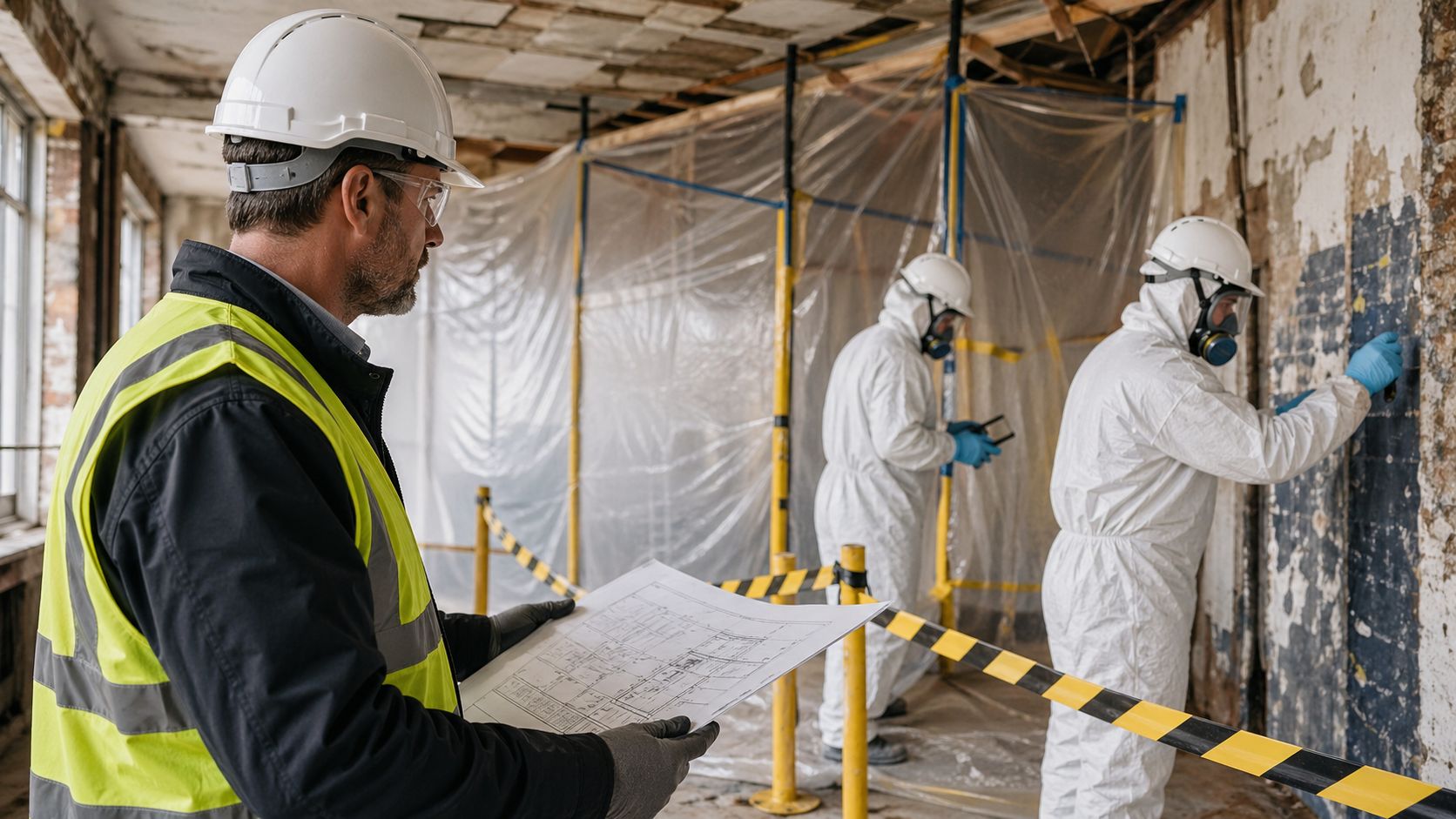
Asbestos in Construction: What Senior Professionals Must Know
Advice
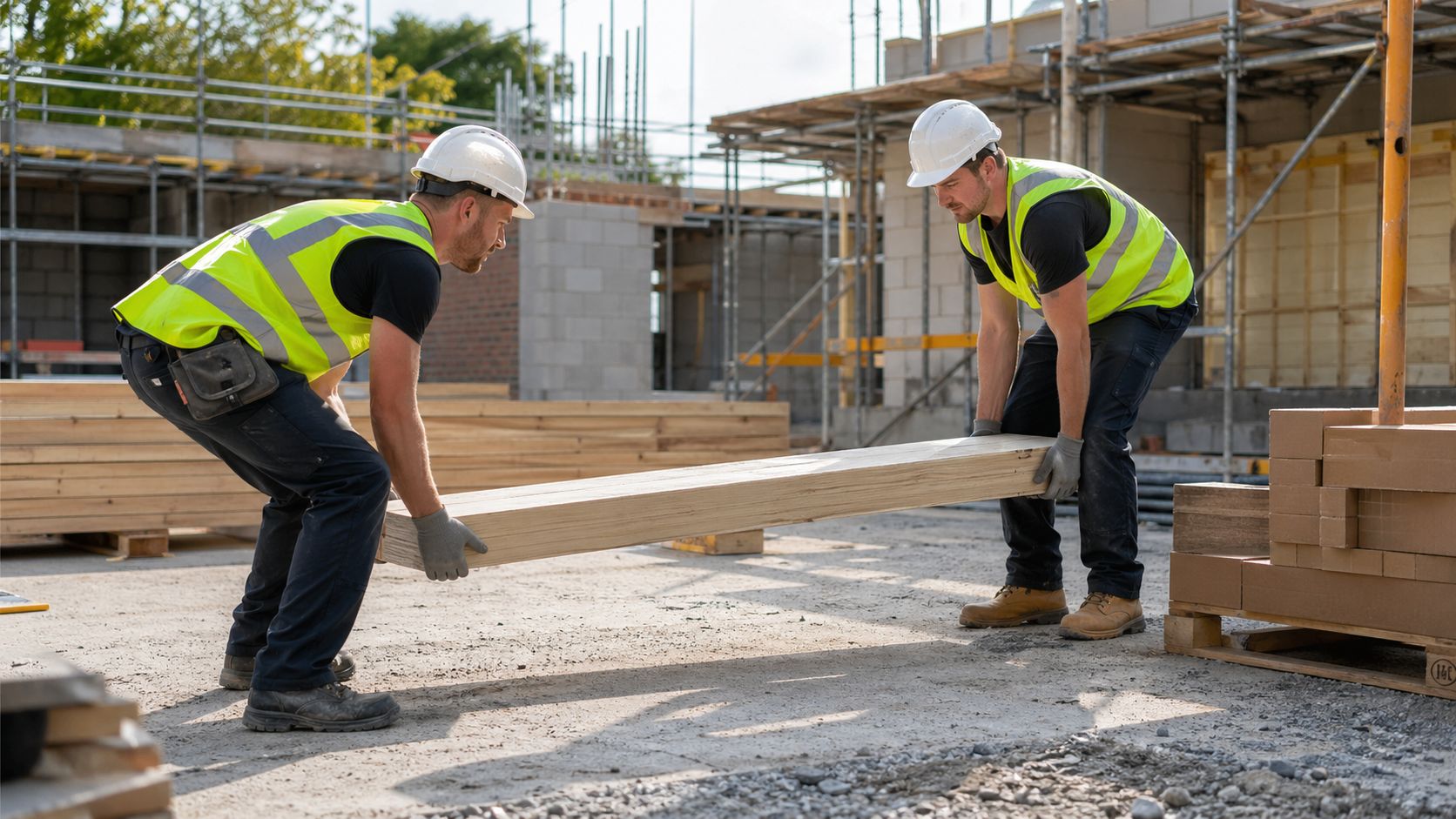
Manual Handling in Construction: Responsibilities at Every Level

Advice
Risk Assessments and Method Statements: Getting RAMS Right
Advice
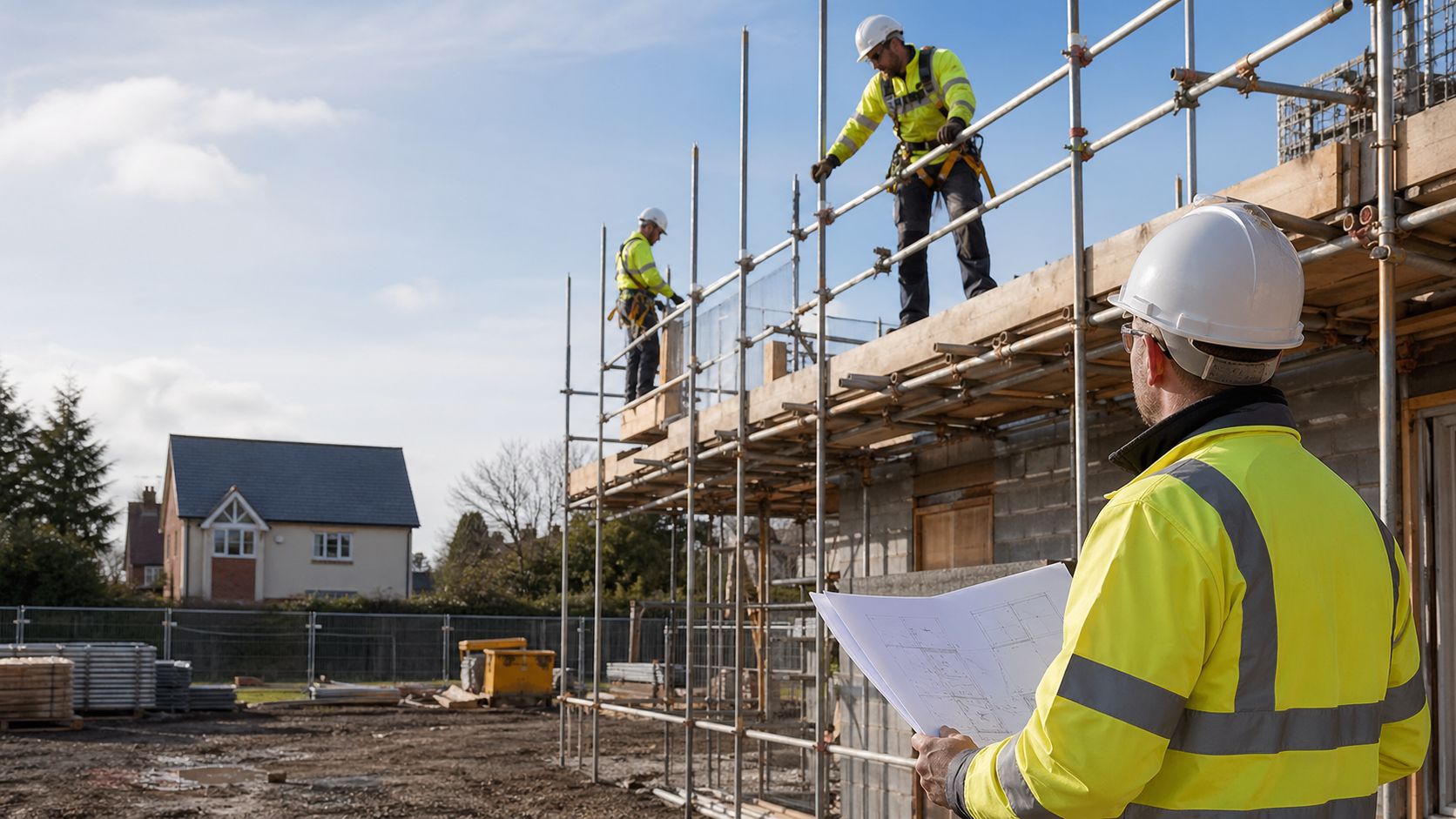
Work at Height in Construction: Managing the Risk

Driving Culture and Performance in HS
Education and Training
Strategic Environmental Management – A Key Requirement at Level 7

Near Miss Reporting in Construction
The Competent Person in Construction: More Than a Certificate
How to Prepare for a HSE Construction Site Inspection
Advice
Understanding CDM 2015: A Practical Guide

2024-06-12 16:20:00Advice
Construction Site Inspections: Why They Matter and What to Expect

Education and Training
How to Apply for a CSCS Card: A Step-by-Step Guide for UK Construction

Education and Training
Does a Leisure Facility Require a Health and Safety Certificate?

Education and Training
Successful Health and Safety Case Studies in the UK Leisure Industry

Education and Training
Training for Health and Safety in Leisure

Education and Training
Health and Safety Training Programs in the Leisure Industry

Preventive Measures
Case Studies on Health and Safety Success in Leisure
Preventive Measures
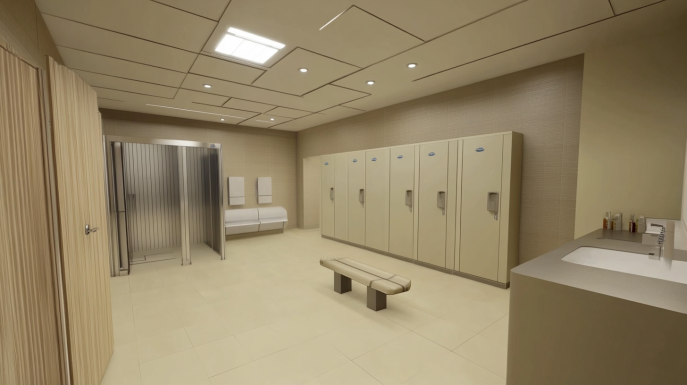
Health and Safety in Leisure Centre Changing Rooms

Workplace Culture
Health and Safety Procedures in Hotels

Workplace Culture
Health and Safety in a Leisure Centre