

All blogs
Case Studies in Effective Safety Training: Lessons Learned
Preventive Measures
2025-07-08 15:09:09.999592+00
Author Nigel Lewis BA (Hons) CMIOSH OSHCR PIEMA
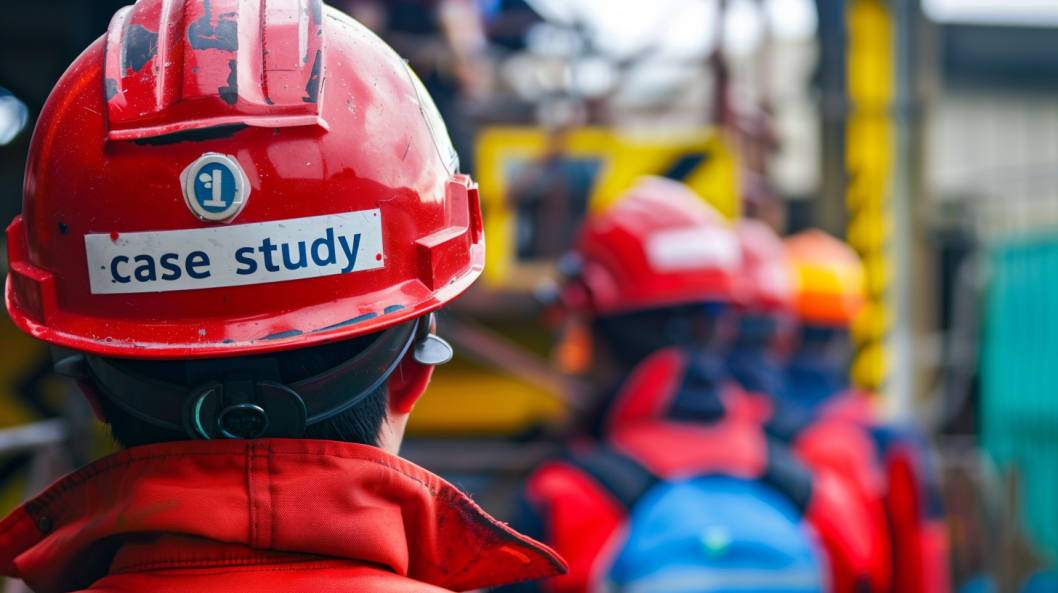
Safety training within any organisation is not just a legal requirement but a crucial component of ensuring the well-being of employees and maintaining operational continuity. While many companies invest in safety training programs, the effectiveness of these programs can vary significantly. Through years of expertise and observation, it's clear that effective safety training programs can make a profound difference in reducing accidents and promoting a proactive approach to safety. In examining case studies of effective safety training, it becomes clear that a thorough understanding of Health & Safety is essential. These case studies provide invaluable lessons learned, highlighting the significance of acquiring advanced qualifications such as NVQ Level 6 Health. Such qualifications deepen understanding and enhance competency in managing health-related aspects within safety protocols, ensuring comprehensive and effective safety training strategies. Organisations like the Occupational Safety and Health Administration (OSHA) mandate rigorous safety protocols to prevent accidents and injuries. Case studies provide invaluable insights into effective safety training strategies and their implementation across industries. Lessons from such studies underscore the importance of tailored training programs that address specific workplace hazards, engage employees actively, and promote a culture of safety awareness.
Case Study 1: ZEY Manufacturing Inc.
Challenge: ZEY Manufacturing Inc. faced a high rate of workplace accidents, primarily due to inadequate training and employee complacency.
Solution: The company revamped its safety training program by:
Outcome: Within six months of implementing these changes, ZEY Manufacturing Inc. saw a 40% decrease in workplace accidents. Employees reported feeling more confident in handling emergencies and adhering to safety protocols.
Lesson Learned: Tailoring safety training to the specific needs of each department and incorporating practical, hands-on exercises can significantly enhance employee engagement and retention of safety protocols.
Case Study 2: BAC Construction Company
Challenge: BAC Construction Company's diverse workforce with varying literacy and language proficiency levels made traditional safety training materials ineffective for many employees.
Solution: To overcome these challenges, BAC Construction Company:
Outcome: The implementation of multilingual and visual aids led to a significant reduction in incidents related to miscommunication and misunderstandings of safety protocols. Employee satisfaction and compliance also increased as a result of the buddy system.
Lesson Learned: Effective communication is crucial to the success of safety training. Utilising multiple forms of communication and providing support systems, such as buddy systems, can effectively bridge language and literacy gaps.
Case Study 3: GED Healthcare Services
Challenge: GED Healthcare Services struggled with maintaining consistent safety practices across multiple shifts and locations.
Solution: To address this challenge, GED Healthcare Services:
Outcome: By centralising training resources and incentivising compliance, GED Healthcare Services achieved a higher rate of safety protocol adherence across all shifts and locations. Incidents related to improper safety practices decreased significantly.
Lesson Learned: Accessibility and accountability are crucial in maintaining consistent safety standards across diverse work environments. Providing easy access to training materials and implementing accountability measures can enhance safety performance.
These case studies highlight a critical truth: practical safety training transcends mere regulatory compliance. Organisations can better engage employees and reinforce safety protocols by customising training content to address specific challenges and employing various communication tools, from interactive workshops to digital platforms. From my perspective, companies have a profound opportunity to enhance their safety training efforts, ensuring they meet regulatory requirements and uphold their commitment to employee well-being and operational excellence. This holistic approach can lead to safer work environments, fewer incidents, and a more empowered workforce.
Develop your knowledge and practice
Compare qualifications against your responsibilities and experience. Explore the Health & Safety qualifications or ask SHEC about a suitable study route.

Author:
Nigel Lewis BA (Hons) CMIOSH OSHCR PIEMA








Related blogs
 Advice
Asbestos in Construction: What Senior Professionals Must Know

Advice
Manual Handling in Construction: Responsibilities at Every Level

Advice
Risk Assessments and Method Statements: Getting RAMS Right

Advice
Work at Height in Construction: Managing the Risk

Driving Culture and Performance in HS
Education and Training
Strategic Environmental Management – A Key Requirement at Level 7
Near Miss Reporting in Construction
The Competent Person in Construction: More Than a Certificate
How to Prepare for a HSE Construction Site Inspection
Advice
Understanding CDM 2015: A Practical Guide

2024-06-12 16:20:00Advice
Construction Site Inspections: Why They Matter and What to Expect

Education and Training
How to Apply for a CSCS Card: A Step-by-Step Guide for UK Construction

Education and Training
Does a Leisure Facility Require a Health and Safety Certificate?

Education and Training
Successful Health and Safety Case Studies in the UK Leisure Industry

Education and Training
Training for Health and Safety in Leisure

Education and Training
Health and Safety Training Programs in the Leisure Industry

Preventive Measures
Case Studies on Health and Safety Success in Leisure

Preventive Measures
Health and Safety in Leisure Centre Changing Rooms

Workplace Culture
Health and Safety Procedures in Hotels

Workplace Culture
Health and Safety in a Leisure Centre