

All blogs
Construction Site Inspections: Why They Matter and What to Expect
Advice
2025-07-08 15:09:14.99262+00
Author Nigel Lewis BA (Hons) CMIOSH OSHCR PIEMA

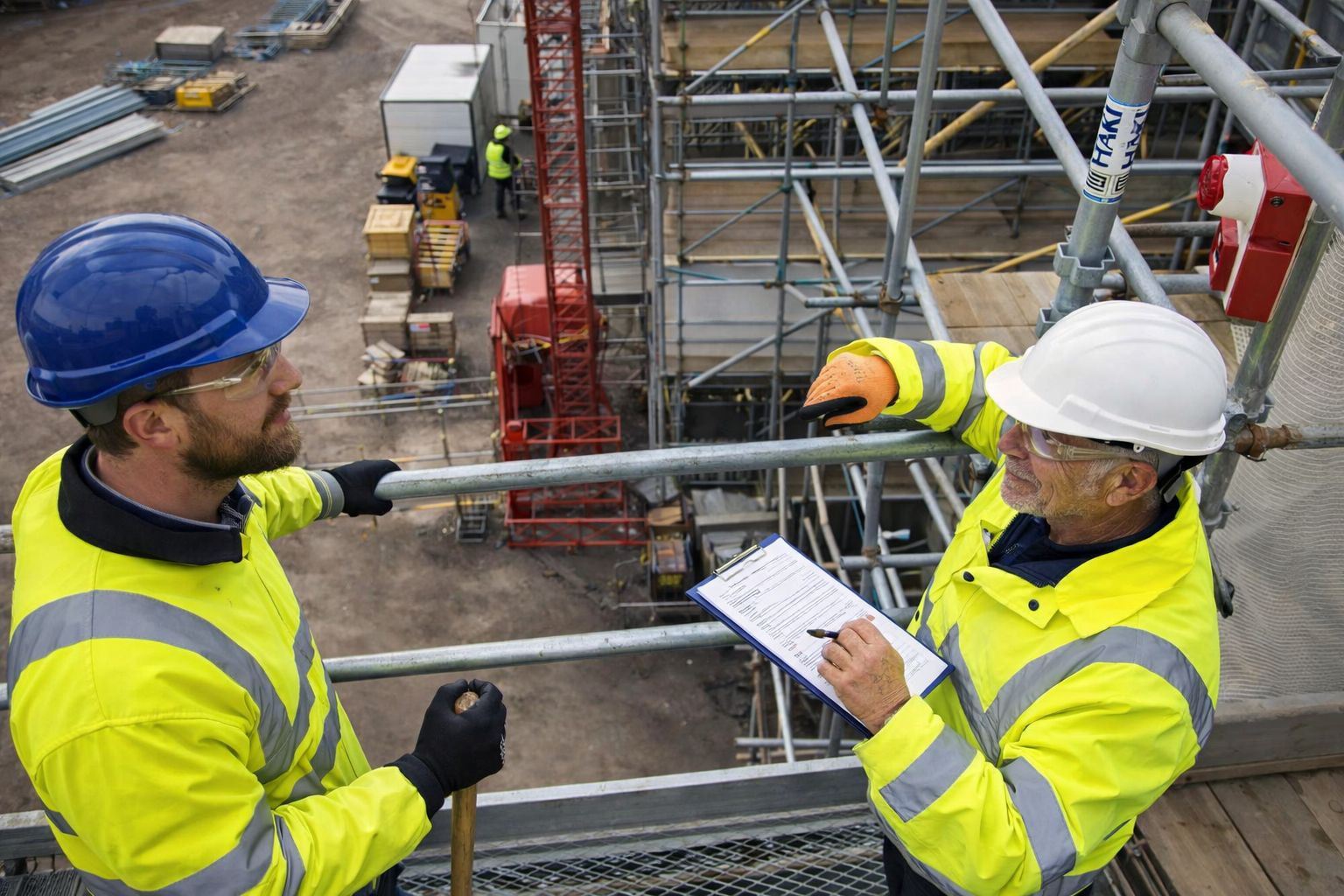
Construction site inspections are a crucial component of maintaining safety, compliance, and quality on any building project. Whether you're managing a small residential site or a significant commercial development, regular inspections ensure that work is progressing as planned and that hazards are being identified and addressed before they become costly problems.
Why Are Site Inspections Important?
- Safety Compliance
Inspections help ensure that health and safety regulations are being followed. This includes correct use of personal protective equipment (PPE), proper scaffolding, and secure access routes. Regular checks can prevent injuries and potentially save lives. - Legal and Regulatory Requirements
In the UK, inspections are often a legal obligation. HSE (Health and Safety Executive) officers may conduct surprise visits, and failing to meet standards can result in hefty fines or shutdowns. - Quality Assurance
Site managers and foremen use inspections to monitor workmanship and ensure the build is in line with specifications, drawings, and building codes. Catching errors early prevents expensive rework down the line. - Environmental Responsibility
Modern inspections increasingly consider environmental factors, such as waste disposal, noise pollution, and the use of sustainable materials. Maintaining high standards can significantly enhance your firm’s reputation.
What Does a Typical Inspection Involve?
A standard inspection might include:
- Review of the site logbook and permit-to-work system
- Examination of working at height measures and fall protection
- Assessment of tool and machinery safety
- Inspection of electrical setups and temporary lighting
- Checks for trip hazards, exposed wires, and poor housekeeping
- Confirmation that fire extinguishers and first-aid kits are present and accessible
- Verification that signage and fencing are in place and up to spec
Who Conducts Site Inspections?
Depending on the stage of the build, inspections may be carried out by:
- Site managers or supervisors
- Health and safety officers
- Building control surveyors
- External auditors or consultants
- Clients or representatives of the principal contractor
How Often Should Inspections Take Place?
The frequency depends on the nature and scale of the project. Daily walkarounds are common for supervisors, while more formal weekly or fortnightly inspections may be documented and reported. High-risk activities, such as excavation or crane work, may require more frequent inspections.
A well-run inspection process isn’t just about ticking boxes. It’s about fostering a culture of accountability, foresight, and professionalism. Whether you're looking to stay compliant, protect your workers, or deliver a flawless build, regular construction site inspections are non-negotiable.

Author:
Nigel Lewis BA (Hons) CMIOSH OSHCR PIEMA








Related blogs
 Advice
Asbestos in Construction: What Senior Professionals Must Know
Advice
Manual Handling in Construction: Responsibilities at Every Level
Advice
Risk Assessments and Method Statements: Getting RAMS Right
Advice
Work at Height in Construction: Managing the Risk
Driving Culture and Performance in HS
Education and Training
Strategic Environmental Management – A Key Requirement at Level 7
Near Miss Reporting in Construction
The Competent Person in Construction: More Than a Certificate
How to Prepare for a HSE Construction Site Inspection
Advice
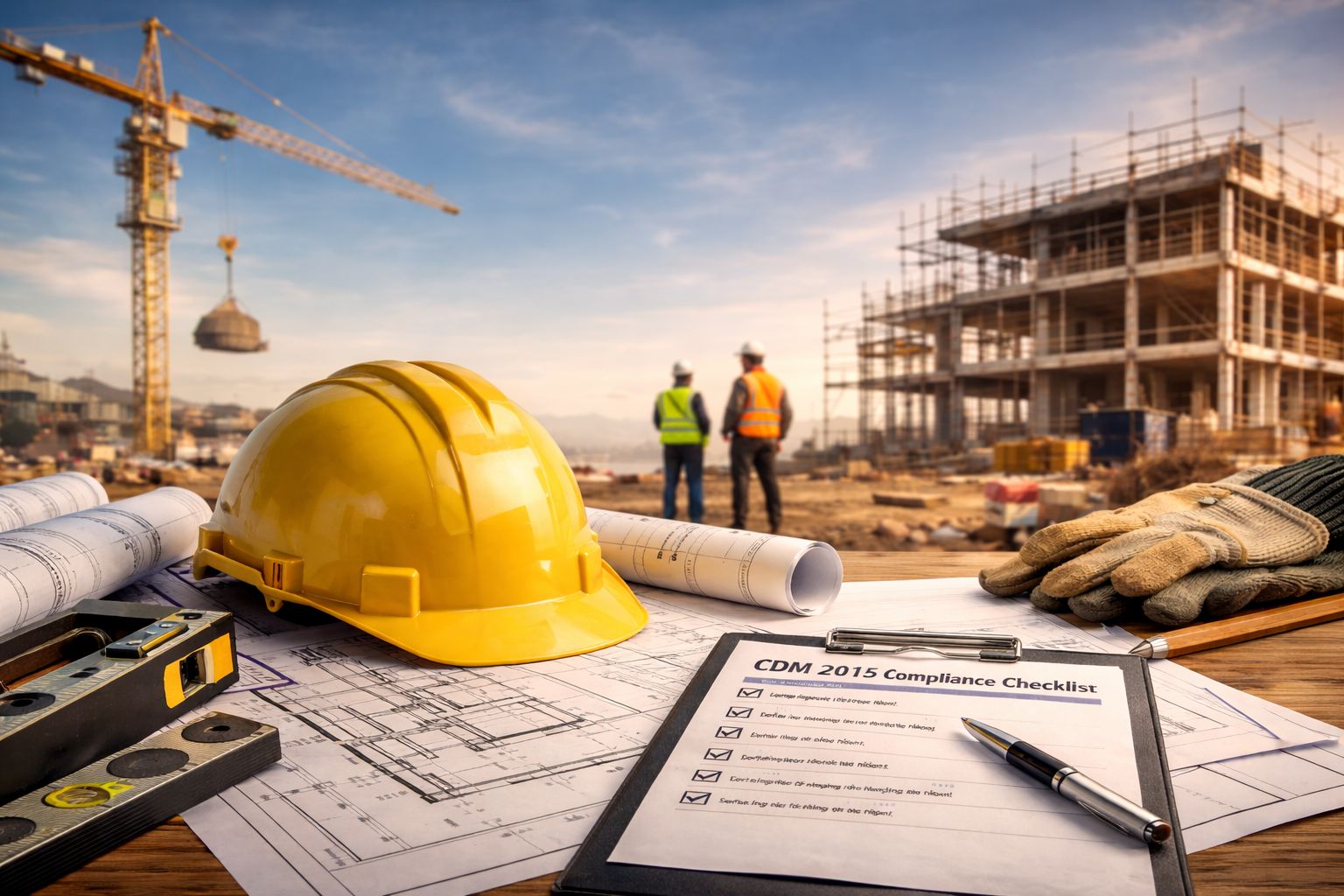
Understanding CDM 2015: A Practical Guide
2024-06-12 16:20:00Advice
Construction Site Inspections: Why They Matter and What to Expect

Education and Training
How to Apply for a CSCS Card: A Step-by-Step Guide for UK Construction
Education and Training
Does a Leisure Facility Require a Health and Safety Certificate?
Education and Training
Successful Health and Safety Case Studies in the UK Leisure Industry

Education and Training
Training for Health and Safety in Leisure

Education and Training
Health and Safety Training Programs in the Leisure Industry

Preventive Measures
Case Studies on Health and Safety Success in Leisure
Preventive Measures
Health and Safety in Leisure Centre Changing Rooms

Workplace Culture
Health and Safety Procedures in Hotels
Workplace Culture
Health and Safety in a Leisure Centre