

All blogs
Cybersecurity Measures for Protecting Workplace Information
Preventive Measures
2025-07-08 15:09:09.545858+00
Author Nigel Lewis BA (Hons) CMIOSH OSHCR PIEMA
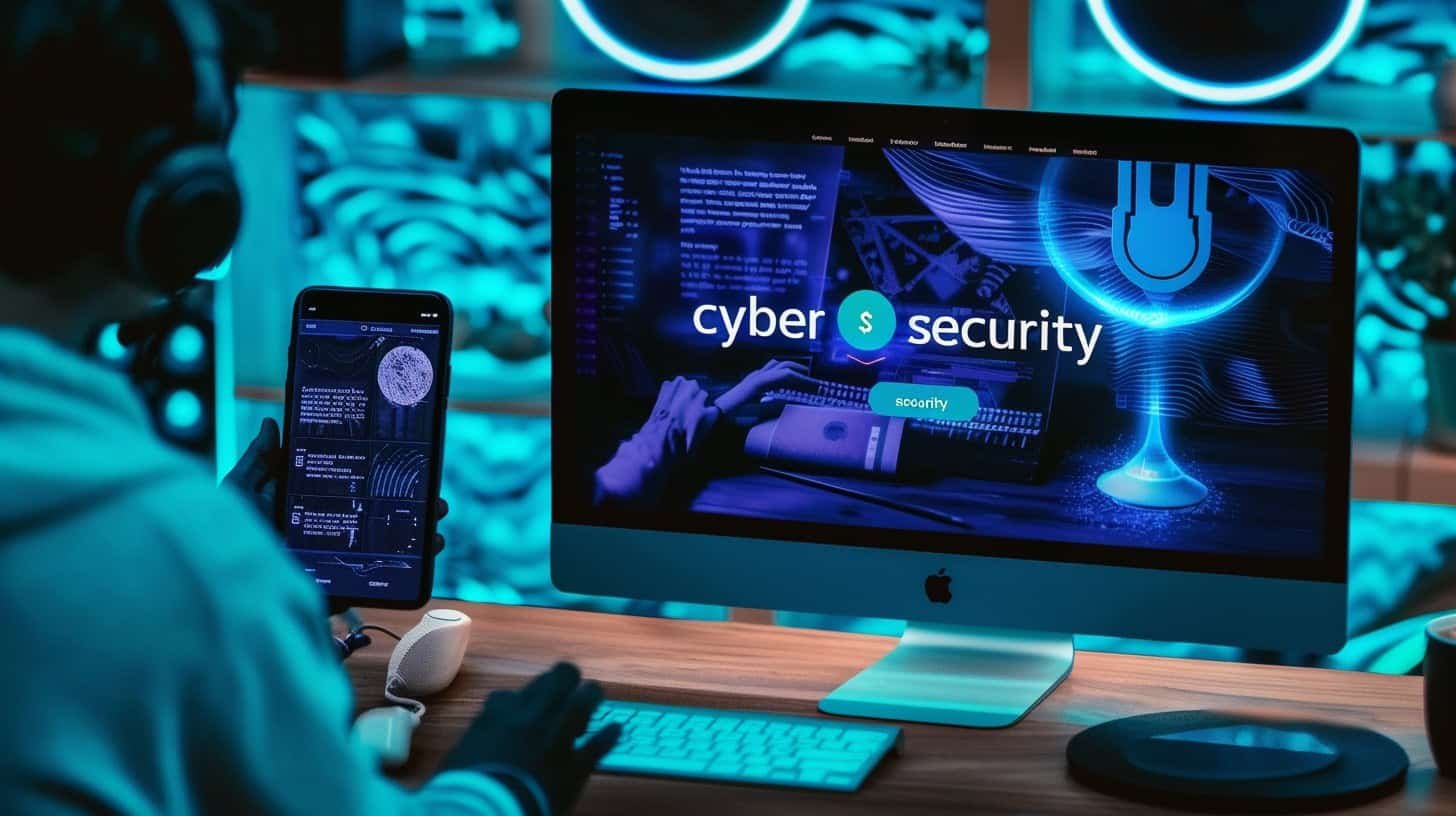
In today's digital age, workplace information has become a valuable asset. Businesses rely heavily on data to operate smoothly, and protecting that data is paramount to prevent breaches that could disrupt operations, compromise client trust, and damage a company's reputation. Cybersecurity measures are crucial for safeguarding sensitive information from hackers, malware, phishing, and data leaks.
Experts agree that implementing a robust cybersecurity framework is no longer optional but a business necessity. According to cybersecurity professionals, businesses that fail to prioritise data protection expose themselves to data breaches, financial losses, and irreversible damage to their reputations.
Given the potential for significant financial, legal, and reputational damage, ensuring that your business has effective cybersecurity measures is critical. Here are some key strategies:
Implementing Robust Password Policies
Often, the first line of defence in cybersecurity is robust password practices. Encouraging employees to use and update strong, unique passwords periodically can significantly enhance your data protection efforts. The incorporation of multi-factor authentication can provide an additional layer of security.
Regular Software Updates
Regular software updates are crucial for patching security vulnerabilities and offering improved functionality. Action Fraud, the UK's national reporting centre for fraud and cybercrime, attributed many cybercrime instances to unpatched or outdated software, leading to losses of £58.8 billion in the UK in the 2020/2021 financial year.
Cultivating Safe Internet Practices
It's essential to cultivate safe internet practices among your employees. This could include educating them about the risks of opening email attachments from unknown senders, sharing sensitive information online, and understanding potential phishing attacks.
Ensuring Secure Networks
Virtual Private Networks (VPNs) can ensure data is encrypted and safe from threats when transmitted over the internet, especially for those working remotely.
Performing Regular Data Backups
In the event of a cyber attack, regular data backups can facilitate business continuity. The General Data Protection Regulation (GDPR) stresses the importance of securely storing these backups in an encrypted form on physical servers or in the cloud.
Investing in Cybersecurity Tools
Reliable cybersecurity tools, such as anti-malware and anti-virus software, firewalls, and intrusion detection systems, can provide comprehensive protection against potential cyber threats.
Providing Regular Training and Awareness
According to the Cyber Security Breaches Survey 2021, businesses have provided cybersecurity training to their staff in the past year, so there's a significant need for regular training initiatives. Such efforts can foster a safe cyberculture, ensuring employees are well-equipped to identify potential threats and react appropriately.
Securing your workplace data is an ongoing endeavour that requires consistent effort and vigilance. As experts point out, the cyber threat landscape constantly evolves, and businesses must be prepared to stay one step ahead of cybercriminals. Organisations can protect their sensitive workplace information from evolving threats by implementing a multi-layered cybersecurity strategy that combines employee education, technology, and best practices.
Develop your knowledge and practice
Compare qualifications against your responsibilities and experience. Explore the Health & Safety qualifications or ask SHEC about a suitable study route.

Author:
Nigel Lewis BA (Hons) CMIOSH OSHCR PIEMA








Related blogs
 Advice
Asbestos in Construction: What Senior Professionals Must Know

Advice
Manual Handling in Construction: Responsibilities at Every Level

Advice
Risk Assessments and Method Statements: Getting RAMS Right

Advice
Work at Height in Construction: Managing the Risk

Driving Culture and Performance in HS

Education and Training
Strategic Environmental Management – A Key Requirement at Level 7

Near Miss Reporting in Construction
The Competent Person in Construction: More Than a Certificate
How to Prepare for a HSE Construction Site Inspection

Advice
Understanding CDM 2015: A Practical Guide

2024-06-12 16:20:00Advice
Construction Site Inspections: Why They Matter and What to Expect

Education and Training
How to Apply for a CSCS Card: A Step-by-Step Guide for UK Construction

Education and Training
Does a Leisure Facility Require a Health and Safety Certificate?

Education and Training
Successful Health and Safety Case Studies in the UK Leisure Industry

Education and Training
Training for Health and Safety in Leisure

Education and Training
Health and Safety Training Programs in the Leisure Industry

Preventive Measures
Case Studies on Health and Safety Success in Leisure

Preventive Measures
Health and Safety in Leisure Centre Changing Rooms

Workplace Culture
Health and Safety Procedures in Hotels

Workplace Culture
Health and Safety in a Leisure Centre