

All blogs
Effective Risk Mitigation: Essential Strategies for a Safer Workplace
2025-07-08 15:09:10.447004+00
Author Nigel Lewis BA (Hons) CMIOSH OSHCR PIEMA
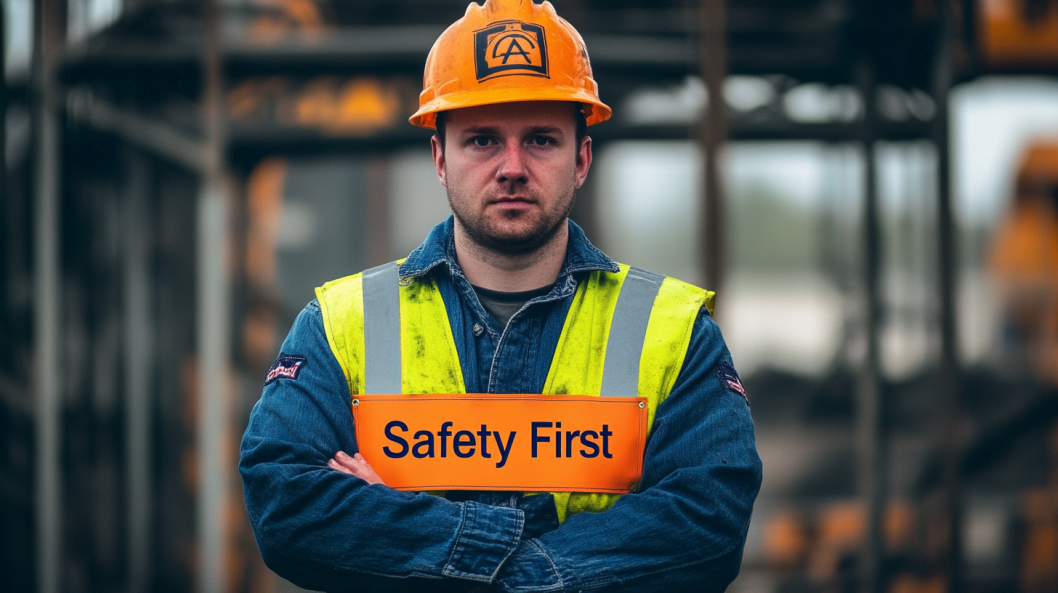
Effective risk mitigation is crucial for maintaining a safe and productive workplace. UK organisations face many potential hazards, from physical dangers to operational risks. By implementing robust risk mitigation strategies, businesses safeguard their employees and enhance overall operational efficiency and compliance with health and safety regulations.
In my experience as a health and safety professional, I have observed that organisations often underestimate the importance of proactive risk mitigation. Many businesses treat health and safety as a compliance tick-box rather than a vital component of their operational strategy. This reactive approach increases the likelihood of incidents and undermines the overall safety culture within the organisation. Learning and implementing effective regulatory practices are crucial because they turn risk mitigation from a reactive task into a proactive practice, helping to prevent incidents before they occur. Risk mitigation should not be considered a burdensome obligation but an opportunity to foster a safer, more efficient working environment.
Understanding Risk Mitigation
Risk mitigation involves identifying, assessing, and prioritising risks followed by coordinated efforts to minimise or eliminate their impact. It is a proactive approach that focuses on reducing the likelihood of risk occurrence and the severity of its consequences. Recent Health and Safety Executive (HSE) statistics highlight a troubling trend. In 2022/23, approximately 1.8 million working people were reported to be suffering from work-related ill health. These figures underscore the critical need for effective safety measures and proactive risk management to prevent such incidents.
1. Comprehensive Risk Assessment
The foundation of any effective risk mitigation strategy is a thorough risk assessment. This process involves identifying potential hazards, evaluating the likelihood and impact of these risks, and prioritising them based on their severity. Regular risk assessments should be integrated into your organisational practices to promptly address new and emerging risks. Engaging employees in this process can provide valuable insights and foster a culture of safety.
2. Implementing Control Measures
Once risks are identified, the next step is to implement appropriate control measures. This can include physical controls, such as installing safety barriers or improving ventilation systems, and procedural controls, such as developing and enforcing safety protocols. The hierarchy of controls should be followed, starting with eliminating or substituting hazards, then by engineering controls, administrative controls, and finally, personal protective equipment (PPE) as a last resort.
3. Training and Awareness
Educating employees about potential risks and the measures in place to mitigate them is vital. Comprehensive training programmes should address specific risks associated with different job roles. Regular refresher courses and safety drills help ensure employees remain vigilant and knowledgeable about safe work practices. A well-informed workforce is better equipped to recognise hazards and respond effectively.
4. Monitoring and Review
Effective risk mitigation requires continuous monitoring and review. Regular inspections and audits should be conducted to assess implemented controls' effectiveness and identify areas for improvement. Incident reports and near-miss analyses provide valuable data that can inform future risk assessments and adjustments to control measures.
5. Fostering a Safety Culture
Creating a safety culture within your organisation is essential for successful risk mitigation. Encourage open communication about safety concerns, recognise and reward safe behaviour, and ensure management is committed to health and safety. A positive safety culture enhances compliance and motivates employees to actively participate in maintaining a safe working environment.
Effective risk mitigation is a cornerstone of a thriving, resilient organisation. In my view, it is evident that organisations committed to comprehensive risk management strategies do more than just protect their employees—they create a foundation for long-term success and sustainability. By taking a proactive stance on risk mitigation, you can ensure a safer workplace, enhance operational efficiency, and build a culture of safety that drives long-term benefits. This strategic commitment ensures risks are anticipated and managed before they can disrupt, resulting in stronger, more adaptable business operations.
Develop your knowledge and practice
Compare qualifications against your responsibilities and experience. Explore the Health & Safety qualifications or ask SHEC about a suitable study route.

Author:
Nigel Lewis BA (Hons) CMIOSH OSHCR PIEMA








Related blogs
 Advice
Asbestos in Construction: What Senior Professionals Must Know

Advice
Manual Handling in Construction: Responsibilities at Every Level

Advice
Risk Assessments and Method Statements: Getting RAMS Right

Advice
Work at Height in Construction: Managing the Risk

Driving Culture and Performance in HS

Education and Training
Strategic Environmental Management – A Key Requirement at Level 7

Near Miss Reporting in Construction

The Competent Person in Construction: More Than a Certificate
How to Prepare for a HSE Construction Site Inspection

Advice
Understanding CDM 2015: A Practical Guide

2024-06-12 16:20:00Advice
Construction Site Inspections: Why They Matter and What to Expect

Education and Training
How to Apply for a CSCS Card: A Step-by-Step Guide for UK Construction

Education and Training
Does a Leisure Facility Require a Health and Safety Certificate?

Education and Training
Successful Health and Safety Case Studies in the UK Leisure Industry

Education and Training
Training for Health and Safety in Leisure

Education and Training
Health and Safety Training Programs in the Leisure Industry

Preventive Measures
Case Studies on Health and Safety Success in Leisure

Preventive Measures
Health and Safety in Leisure Centre Changing Rooms

Workplace Culture
Health and Safety Procedures in Hotels

Workplace Culture
Health and Safety in a Leisure Centre