

All blogs
Emergency Preparedness Regulations: Ensuring Safety and Compliance
2025-07-08 15:09:10.458716+00
Author Nigel Lewis BA (Hons) CMIOSH OSHCR PIEMA
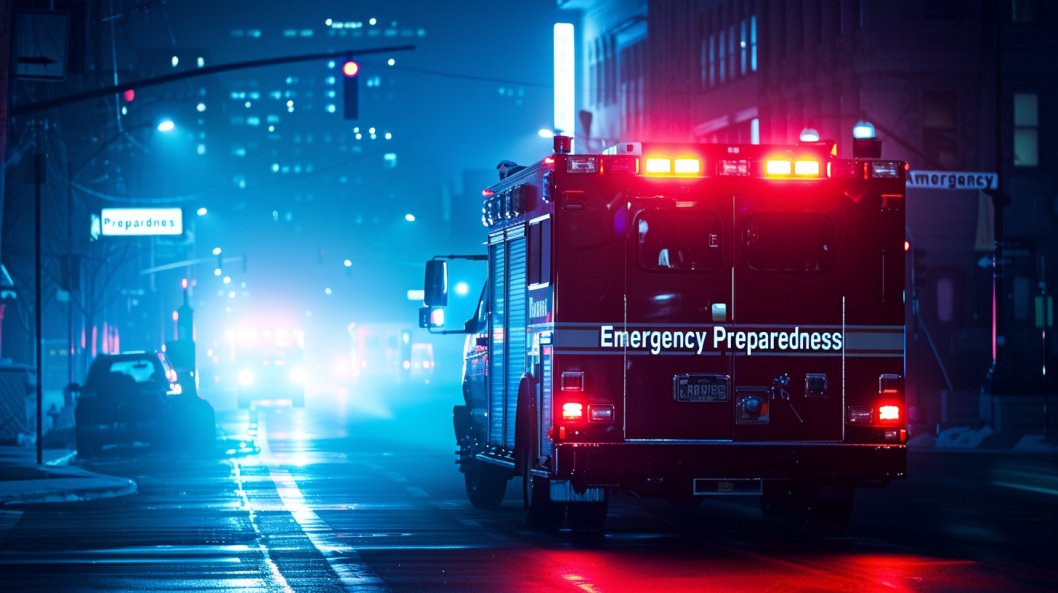
In a world where natural disasters, technological accidents, and unforeseen emergencies can occur without warning, the importance of emergency preparedness cannot be overstated. Drawing from expertise in disaster management, it is clear that stringent regulations are not just bureaucratic necessities but vital tools that ensure safety and compliance. Learning Health & Safety standards are vital as they equip individuals with the necessary skills and knowledge to effectively manage workplace health and safety, ensuring a safer environment for all. These qualifications emphasise the importance of risk assessment, emergency response planning, and compliance with safety regulations, aligning perfectly with the principles of emergency preparedness regulations. This proactive approach protects lives and property and fosters a culture of safety and readiness within the organisation.
The Importance of Emergency Preparedness
Emergency preparedness refers to the actions and plans developed to respond effectively to various emergencies. The primary goal is to minimise the impact of disasters and ensure a swift recovery. The rising frequency and severity of natural disasters, such as hurricanes, earthquakes, floods, and man-made incidents like chemical spills and industrial accidents, underscore the necessity of robust emergency preparedness measures.
Regulatory Framework: An Overview
Governments and regulatory bodies worldwide have established comprehensive frameworks to guide emergency preparedness. These regulations mandate that organisations develop, implement, and regularly update their emergency response plans. Key regulatory bodies include the Federal Emergency Management Agency (FEMA) in the United States, the European Union's Civil Protection Mechanism, and the International Organisation for Standardisation (ISO) with standards like ISO 22301 for Business Continuity Management Systems.
Key Components of Emergency Preparedness Regulations
Ensuring Compliance: Best Practices
Emergency preparedness regulations are crucial in safeguarding lives and ensuring organisational resilience. Drawing on years of experience in disaster management, it is evident that proactive preparedness is a must. Emergency preparedness regulations are indispensable in creating a structured and effective response system. The significance of emergency preparedness regulations extends beyond compliance; they foster a culture of vigilance and resilience, equipping organisations and communities to anticipate and respond to crises with confidence.
Develop your knowledge and practice
Explore qualification routes and the distinction between qualifications and practical competence. Explore the Fire Risk Assessment career pathway or ask SHEC about a suitable study route.

Author:
Nigel Lewis BA (Hons) CMIOSH OSHCR PIEMA








Related blogs
 Advice
Asbestos in Construction: What Senior Professionals Must Know

Advice
Manual Handling in Construction: Responsibilities at Every Level

Advice
Risk Assessments and Method Statements: Getting RAMS Right

Advice
Work at Height in Construction: Managing the Risk

Driving Culture and Performance in HS

Education and Training
Strategic Environmental Management – A Key Requirement at Level 7

Near Miss Reporting in Construction

The Competent Person in Construction: More Than a Certificate
How to Prepare for a HSE Construction Site Inspection
Advice
Understanding CDM 2015: A Practical Guide

2024-06-12 16:20:00Advice
Construction Site Inspections: Why They Matter and What to Expect

Education and Training
How to Apply for a CSCS Card: A Step-by-Step Guide for UK Construction

Education and Training
Does a Leisure Facility Require a Health and Safety Certificate?

Education and Training
Successful Health and Safety Case Studies in the UK Leisure Industry

Education and Training
Training for Health and Safety in Leisure

Education and Training
Health and Safety Training Programs in the Leisure Industry

Preventive Measures
Case Studies on Health and Safety Success in Leisure

Preventive Measures
Health and Safety in Leisure Centre Changing Rooms

Workplace Culture
Health and Safety Procedures in Hotels

Workplace Culture
Health and Safety in a Leisure Centre