

All blogs
Emergency Response Plans: A Critical Component of Workplace Safety
2025-07-08 15:09:10.400893+00
Author Nigel Lewis BA (Hons) CMIOSH OSHCR PIEMA

A robust Emergency Response Plan (ERP) is not just a regulatory requirement but a fundamental aspect of safeguarding employees and assets. As organisations increasingly face diverse risks,from natural disasters and pandemics to cybersecurity threats and operational disruptions the necessity for a comprehensive and well-structured ERP has never been more evident. In my professional opinion, the significance of a well-structured Emergency Response Plan (ERP) cannot be underestimated. A well-implemented Emergency Response Plan demonstrates an organisation's commitment to safety and operational integrity. It reflects a deep understanding that, while emergencies are unpredictable, our response to them does not have to be. A proactive approach to planning ensures compliance with legal requirements, including learning and adhering to health and safety regulations, and, more importantly, safeguards lives and minimises the impact of unexpected incidents. Here, we outline the key elements of an effective Emergency Response Plan and guide on implementing one that meets legal and practical standards.
Understanding the Importance
An effective Emergency Response Plan outlines the procedures and actions necessary to address and mitigate the impact of emergencies. Whether it's a fire, chemical spill, or medical emergency, a well-crafted ERP ensures everyone knows their roles and responsibilities. This not only enhances safety but also minimises operational disruptions.
1. Understanding the Risks
The foundation of a sound Emergency Response Plan lies in a thorough risk assessment. Identify potential hazards specific to your workplace, ranging from fire and chemical spills to more complex scenarios such as terrorism or severe weather. Understanding these risks allows you to tailor your plan to address your organisation's unique challenges.
2. Developing a Comprehensive Plan
An Emergency Response Plan should be detailed and cover various aspects:
3. Compliance and Documentation
Ensure that your Emergency Response Plan complies with relevant health and safety regulations, such as those outlined by the Health and Safety Executive (HSE). Document every aspect of your plan meticulously and keep records of all training and drills conducted. Regularly review and update your plan to reflect any changes in the workplace or regulations.
4. Continuous Improvement
An Emergency Response Plan is a living document. Continuously seek feedback from employees and emergency responders to identify areas for improvement. Post-incident reviews are particularly valuable, as they provide insights into the effectiveness of the response and highlight areas for enhancement.
5. Engaging with External Partners
Where appropriate, engage with local emergency services, such as fire brigades and medical teams, to ensure your plan aligns with their procedures and expectations. Collaboration with these external partners can enhance the effectiveness of your response plan and provide additional resources and expertise in an emergency.
From my expert point of view, the importance of a well-crafted Emergency Response Plan (ERP) extends far beyond compliance it's a fundamental element of proactive risk management and organisational resilience. In today's complex and fast-paced work environments, having a robust ERP is not just about meeting legal requirements; it's about fostering a culture of preparedness that can significantly reduce emergencies' impact on employees and operations.
Develop your knowledge and practice
Explore qualification routes and the distinction between qualifications and practical competence. Explore the Fire Risk Assessment career pathway or ask SHEC about a suitable study route.

Author:
Nigel Lewis BA (Hons) CMIOSH OSHCR PIEMA








Related blogs
 Advice
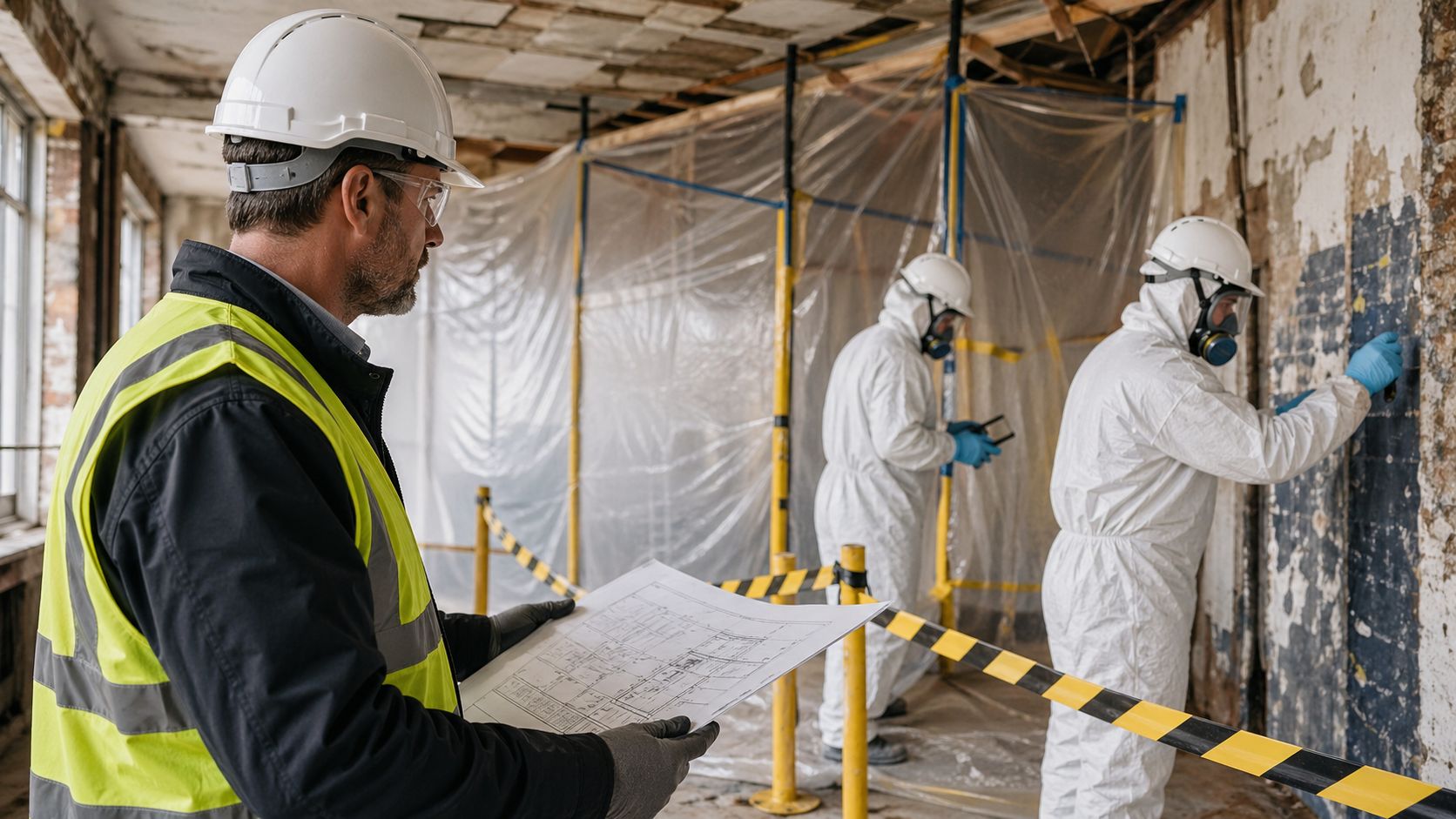
Asbestos in Construction: What Senior Professionals Must Know

Advice
Manual Handling in Construction: Responsibilities at Every Level

Advice
Risk Assessments and Method Statements: Getting RAMS Right

Advice
Work at Height in Construction: Managing the Risk

Driving Culture and Performance in HS

Education and Training
Strategic Environmental Management – A Key Requirement at Level 7

Near Miss Reporting in Construction

The Competent Person in Construction: More Than a Certificate

How to Prepare for a HSE Construction Site Inspection

Advice
Understanding CDM 2015: A Practical Guide

2024-06-12 16:20:00Advice
Construction Site Inspections: Why They Matter and What to Expect

Education and Training
How to Apply for a CSCS Card: A Step-by-Step Guide for UK Construction

Education and Training
Does a Leisure Facility Require a Health and Safety Certificate?

Education and Training
Successful Health and Safety Case Studies in the UK Leisure Industry

Education and Training
Training for Health and Safety in Leisure

Education and Training
Health and Safety Training Programs in the Leisure Industry

Preventive Measures
Case Studies on Health and Safety Success in Leisure

Preventive Measures
Health and Safety in Leisure Centre Changing Rooms
Workplace Culture
Health and Safety Procedures in Hotels

Workplace Culture
Health and Safety in a Leisure Centre