

All blogs
Environmental Regulations Affecting Workplace Safety
Workplace Culture
2025-07-08 15:09:13.249138+00
Author Nigel Lewis BA (Hons) CMIOSH OSHCR PIEMA
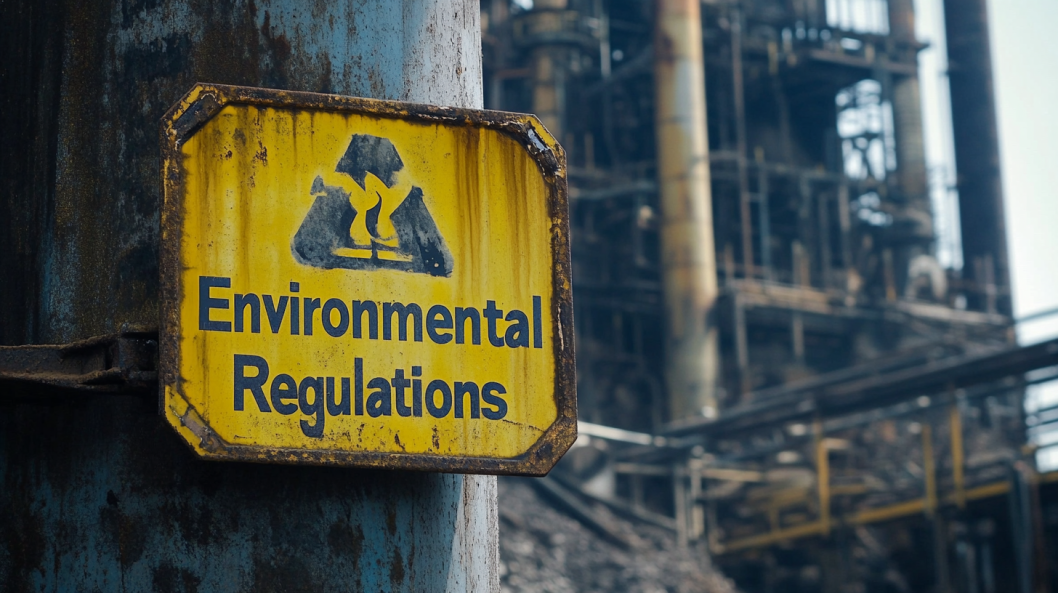
Environmental regulations are more than just guidelines for reducing pollution; they are integral to ensuring workplace safety. Compliance with these regulations is crucial as it helps businesses prevent legal repercussions and promotes a culture of safety, accountability, and environmental stewardship. By learning and adhering to these standards, companies can proactively address potential hazards, ensure a safer working environment, and enhance operational efficiencies, ultimately benefiting employees and employers. An expert emphasises that effective environmental management is crucial for creating safer, healthier work environments while improving operational efficiency. This dual benefit creates a positive impact for both employees and employers. By recognising the significance of environmental regulations for workplace safety, businesses are positioned to comply with legal requirements and leverage them strategically. This approach enables organisations to foster a more secure, efficient, and sustainable workplace, ensuring long-term success and well-being for all stakeholders. This blog post explores how environmental regulations affect workplace safety and highlights key areas of overlap.
1. Understanding Environmental Regulations
Environmental regulations are designed to protect natural resources and human health by controlling pollution and managing waste. They cover various issues, from air and water quality to hazardous waste management. In the workplace, these regulations often translate into specific practices and procedures that must be followed to comply with legal standards. The Environmental Protection Act of 1990 is a fundamental piece of legislation that mandates businesses to exercise a duty of care in managing waste. It compels companies to proactively safeguard human health and the environment by ensuring proper waste disposal and implementing effective pollution control practices.
2. How Environmental Regulations Enhance Workplace Safety
3. Case Studies: Real-World Impact
4. Challenges and Solutions
5. The Future of Environmental Regulations and Workplace Safety
As environmental concerns continue to evolve, so will the regulations that govern them. More stringent standards and innovative approaches to managing environmental and safety issues will likely be introduced. In response, companies need to implement proactive environmental procedures in the workplace, such as regular assessments, waste reduction strategies, energy-efficient practices, and employee training. Companies that adopt these measures will ensure compliance and foster a safer, more sustainable workplace.
Environmental regulations are critical in enhancing workplace safety by managing hazardous materials, controlling emissions, and ensuring water quality. While complying with these regulations can present challenges, the benefits from improved employee health to long-term cost savings are well worth the effort. By staying informed and proactive, businesses can navigate the complex landscape of environmental regulations and create a safer, more sustainable working environment.
Develop your knowledge and practice
Compare qualification routes for environmental and sustainability responsibilities. Explore the Environmental Management qualifications or ask SHEC about a suitable study route.

Author:
Nigel Lewis BA (Hons) CMIOSH OSHCR PIEMA








Related blogs
 Advice
Asbestos in Construction: What Senior Professionals Must Know

Advice
Manual Handling in Construction: Responsibilities at Every Level

Advice
Risk Assessments and Method Statements: Getting RAMS Right

Advice
Work at Height in Construction: Managing the Risk

Driving Culture and Performance in HS

Education and Training
Strategic Environmental Management – A Key Requirement at Level 7

Near Miss Reporting in Construction

The Competent Person in Construction: More Than a Certificate
How to Prepare for a HSE Construction Site Inspection
Advice
Understanding CDM 2015: A Practical Guide

2024-06-12 16:20:00Advice
Construction Site Inspections: Why They Matter and What to Expect

Education and Training
How to Apply for a CSCS Card: A Step-by-Step Guide for UK Construction

Education and Training
Does a Leisure Facility Require a Health and Safety Certificate?

Education and Training
Successful Health and Safety Case Studies in the UK Leisure Industry

Education and Training
Training for Health and Safety in Leisure

Education and Training
Health and Safety Training Programs in the Leisure Industry

Preventive Measures
Case Studies on Health and Safety Success in Leisure

Preventive Measures
Health and Safety in Leisure Centre Changing Rooms
Workplace Culture
Health and Safety Procedures in Hotels

Workplace Culture
Health and Safety in a Leisure Centre