Managers & supervisors
Understand the environmental responsibilities increasingly built into operational roles.
Gain practical, regulated knowledge to help identify, manage and improve environmental performance across your organisation.
Designed for managers, supervisors and developing professionals who need a clear understanding of organisational environmental management.
Understand the environmental responsibilities increasingly built into operational roles.
Broaden your remit where environmental management overlaps with compliance and risk.
Build awareness of impacts, controls, legislation, monitoring and improvement.
Create a regulated foundation before moving into higher-level sustainability roles.
The ProQual unit contains eight major learning outcomes. SHEC Learning® presents them as eight clear learning modules.
60-question multiple-choice examination
90 minutes available
Pass / fail result
This is SHEC Learning®’s current approved-centre delivery arrangement.
ProQual describes internally assessed evidence across the qualification, with external quality assurance. Permitted methods include assignments, projects, reports, worksheets, portfolio evidence and questioning.
Progression should reflect your experience, responsibilities and career direction—not simply follow the next number.
Core environmental-management knowledge for emerging responsibility.
For experienced practitioners with broader sustainability responsibility.
Explore Level 6 →For senior leaders shaping environmental strategy and organisational performance.
Explore Level 7 →A regulated Level 3 qualification providing foundation knowledge in organisational environmental management.
603/6603/5.
There is one mandatory ProQual unit. Its eight major learning outcomes are structured by SHEC as eight learning modules.
30 Total Qualification Time hours, including 20 Guided Learning Hours.
ProQual specifies no formal entry requirements.
No. It is a foundation knowledge Award and does not by itself demonstrate occupational competence.
SHEC Learning® delivers the course entirely through e-learning, with six months of course access.
The current SHEC Learning® offer uses a 60-question multiple-choice examination with 90 minutes available.
It introduces relevant environmental-management-system and ISO-standard concepts. It does not make you an ISO 14001-certified auditor.
Yes, particularly where environmental responsibility is becoming part of the role. As an entry-level e-learning course, no suitability assessment is required.
Enrol online or speak with SHEC Learning® about your environmental career pathway.


All blogs
Workplace Culture
2025-07-08 15:09:14.528188+00
Author Nigel Lewis BA (Hons) CMIOSH OSHCR PIEMA

When staying at a hotel, guests expect more than just a comfortable bed and convenient amenities; they expect a safe and secure environment where their well-being is a top priority. Health and safety procedures are essential for delivering this sense of security, ensuring the protection and peace of mind of guests and staff.
According to experts in hospitality management and health and safety, a hotel's commitment to creating a safe environment directly impacts guest satisfaction, staff morale, and overall business reputation. Hotels must stay ahead of safety trends and regulations to meet the evolving expectations of travellers and workers alike. This blog will explore the key health and safety procedures hotels should implement to provide a safe environment.
A comprehensive risk assessment is the foundation of any hotel's health and safety procedures. These assessments should identify potential hazards, such as fire risks, slip-and-fall hazards, and the risk of injury from faulty equipment. Hotels must regularly review and update these assessments to address any property or operations changes.
Once the risks are identified, the next step is to create a safety plan. This plan should outline specific procedures for managing emergencies, such as fire evacuations, medical emergencies, and any other risks identified during the assessment. All staff should be trained in these procedures to ensure quick and efficient responses in an emergency.
Fire safety is perhaps the most critical aspect of hotel health and safety. Hotels should be equipped with fire alarms, smoke detectors, fire extinguishers, and marked fire exits. Additionally, all fire exits should be regularly inspected to ensure they are clear of obstructions and functional.
Staff should be trained to conduct regular fire drills, and guests should be informed about fire exits and emergency procedures upon check-in. Hotels should also have fire marshals or designated staff members to assist in an evacuation in case of an emergency.
Maintaining high levels of cleanliness and hygiene is essential to preventing the spread of infections and illnesses in hotels. In the wake of the COVID-19 pandemic, many hotels have implemented additional cleaning protocols, such as more frequent sanitisation of high-touch areas like door handles, light switches, and elevator buttons.
Hotels should also ensure that guest rooms, public areas, and staff facilities are regularly cleaned and disinfected. Using environmentally friendly cleaning products and adhering to industry standards can further enhance the hygiene levels in the hotel.
Ensuring safe food handling is paramount for hotels offering food and beverage services. Staff members working in kitchens should be trained in proper food handling, storage, and sanitation procedures. Additionally, hotels should ensure that food is stored at the correct temperatures to avoid contamination.
Guests should feel confident that their meals are prepared in a clean and safe environment. Hotels should also clearly display allergy information and accommodate dietary restrictions where possible to ensure the safety and satisfaction of their guests.
Accidents can happen at any time, and being prepared is important. Hotels should have a well-stocked first aid kit available at all times, and staff should be trained in basic first aid procedures. This ensures that minor injuries can be treated immediately and effectively.
In addition to basic first aid, hotels should establish protocols for handling medical emergencies. This may include having contact details for local medical facilities or emergency services and providing guests with information on how to reach medical help if needed.
The Health and Safety (First-Aid) Regulations 1981 emphasise the requirement for employers to provide adequate and appropriate first-aid equipment, facilities, and personnel to ensure that employees receive immediate attention in the event of an injury or illness at work. These regulations mandate that employers assess the risks in their workplace to determine the necessary first-aid provisions based on the size of the workplace, the number of employees, and the nature of the work.
Ensuring the personal safety of guests is another crucial aspect of hotel health and safety. This includes providing secure entry and exit points, using surveillance cameras in key areas, and ensuring all guest rooms have functioning locks.
Staff should be trained to deal with any security concerns, such as dealing with difficult guests or handling situations that may threaten the safety of other guests or staff. Hotels should also have procedures for reporting incidents and responding to security breaches.
A well-trained team is essential for maintaining health and safety in a hotel. Staff should be trained in emergency procedures, first aid, fire safety, and hygiene practices. Regular refresher courses should be provided to ensure that everyone is up-to-date with the latest safety standards.
In addition to physical health and safety, hotel management should also focus on staff wellbeing. This includes providing appropriate work hours, offering mental health support, and ensuring that staff are not overworked or stressed, which can impact their performance and ability to handle emergencies effectively.
Clear communication with guests about the hotel's health and safety policies is essential. This can be done through signage, in-room information, or direct communication at check-in. Guests should be informed about the hotel's cleaning protocols, emergency procedures, and health and safety measures.
In today's world, many guests may have concerns about their safety, so providing transparent and clear information can help them feel more comfortable during their stay.
Health and safety procedures in hotels are not just about compliance with legal requirements; they are vital for ensuring the well-being of everyone involved. By implementing comprehensive health and safety procedures, hotels can foster trust, reduce risks, and provide guests with the peace of mind they need for a comfortable stay. Maintaining high safety standards will ensure that your hotel remains a safe haven for all.

Nigel Lewis BA (Hons) CMIOSH OSHCR PIEMA








 Advice
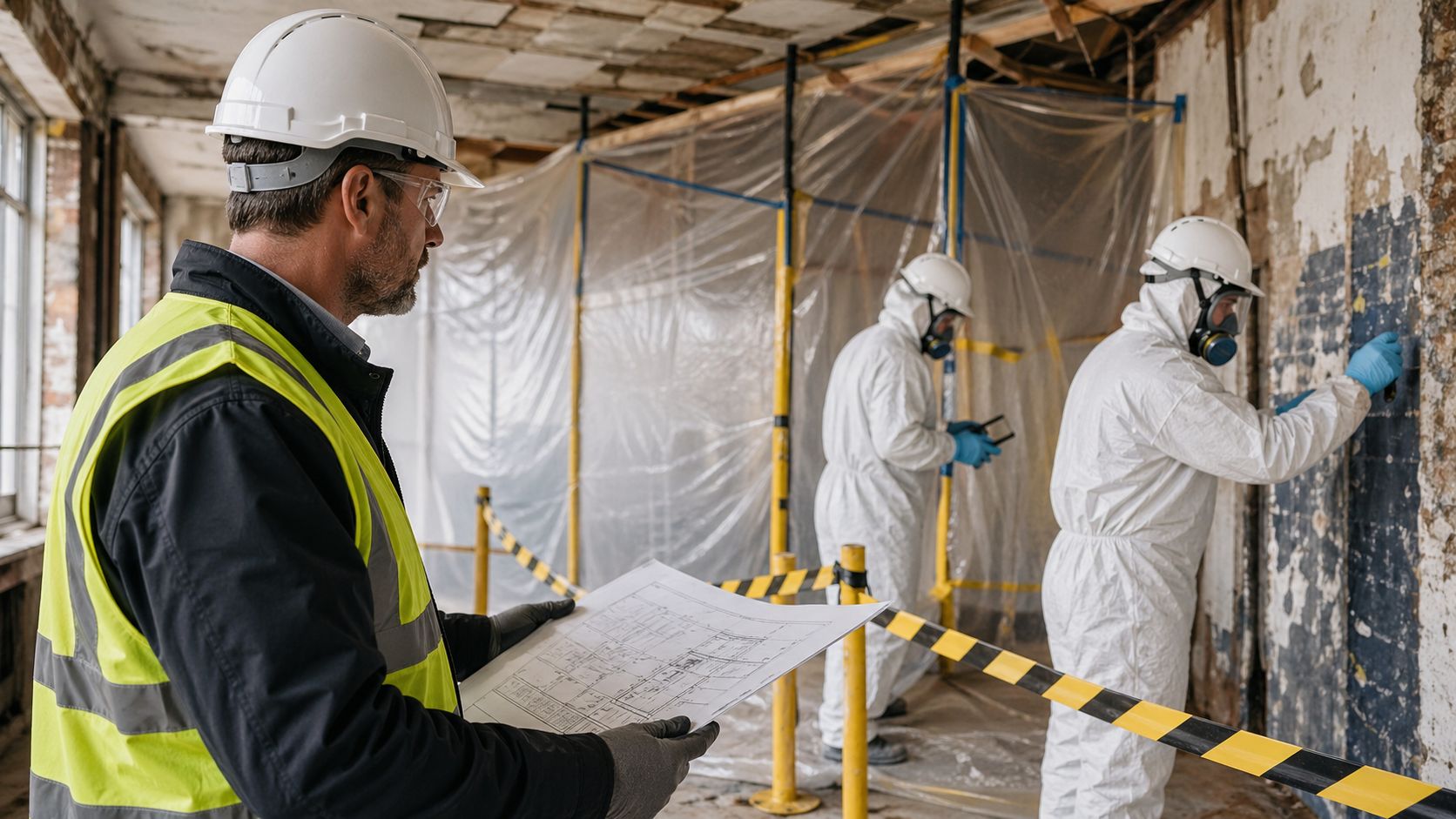
Asbestos in Construction: What Senior Professionals Must Know
Advice
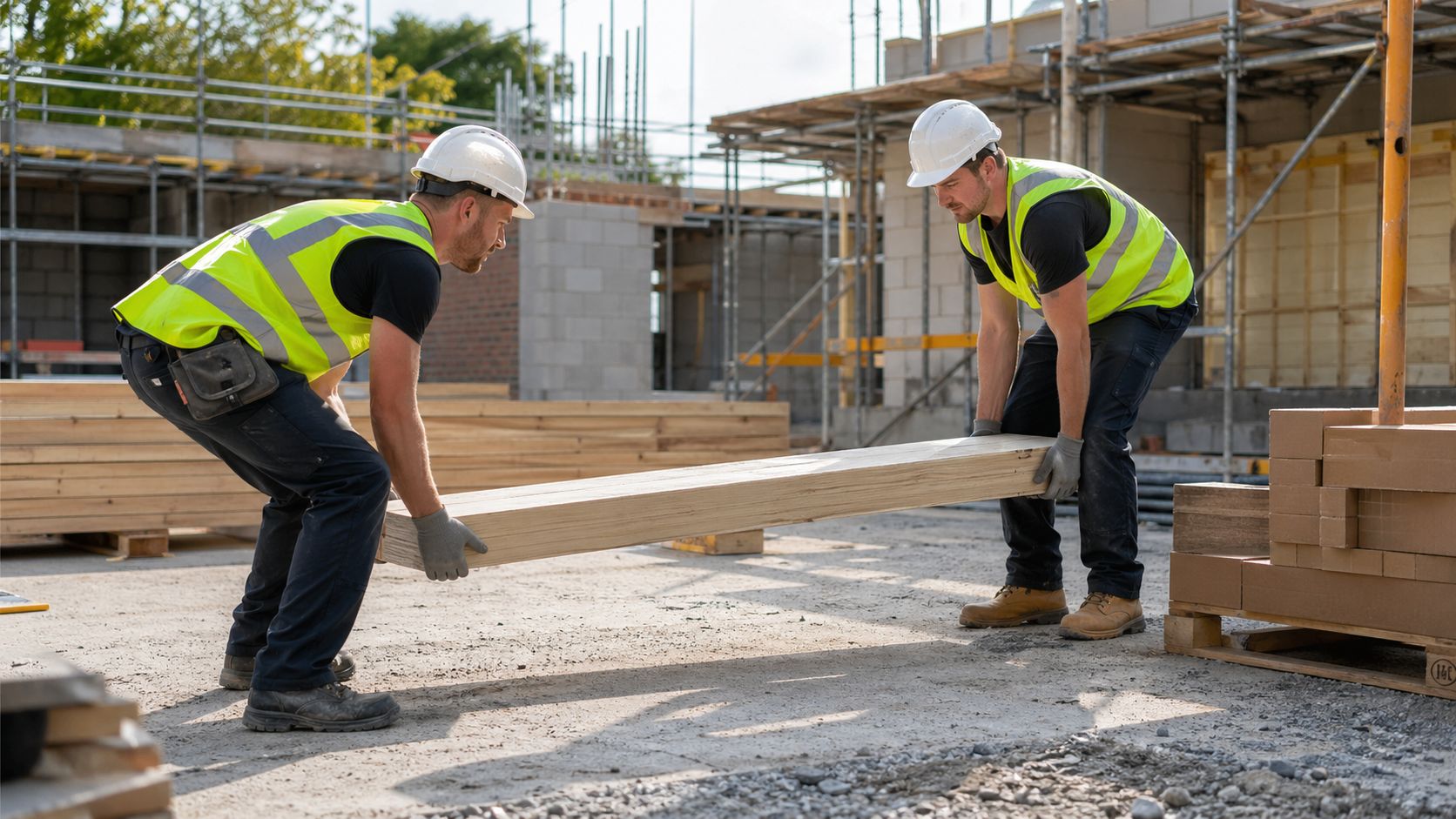
Manual Handling in Construction: Responsibilities at Every Level

Advice
Risk Assessments and Method Statements: Getting RAMS Right
Advice
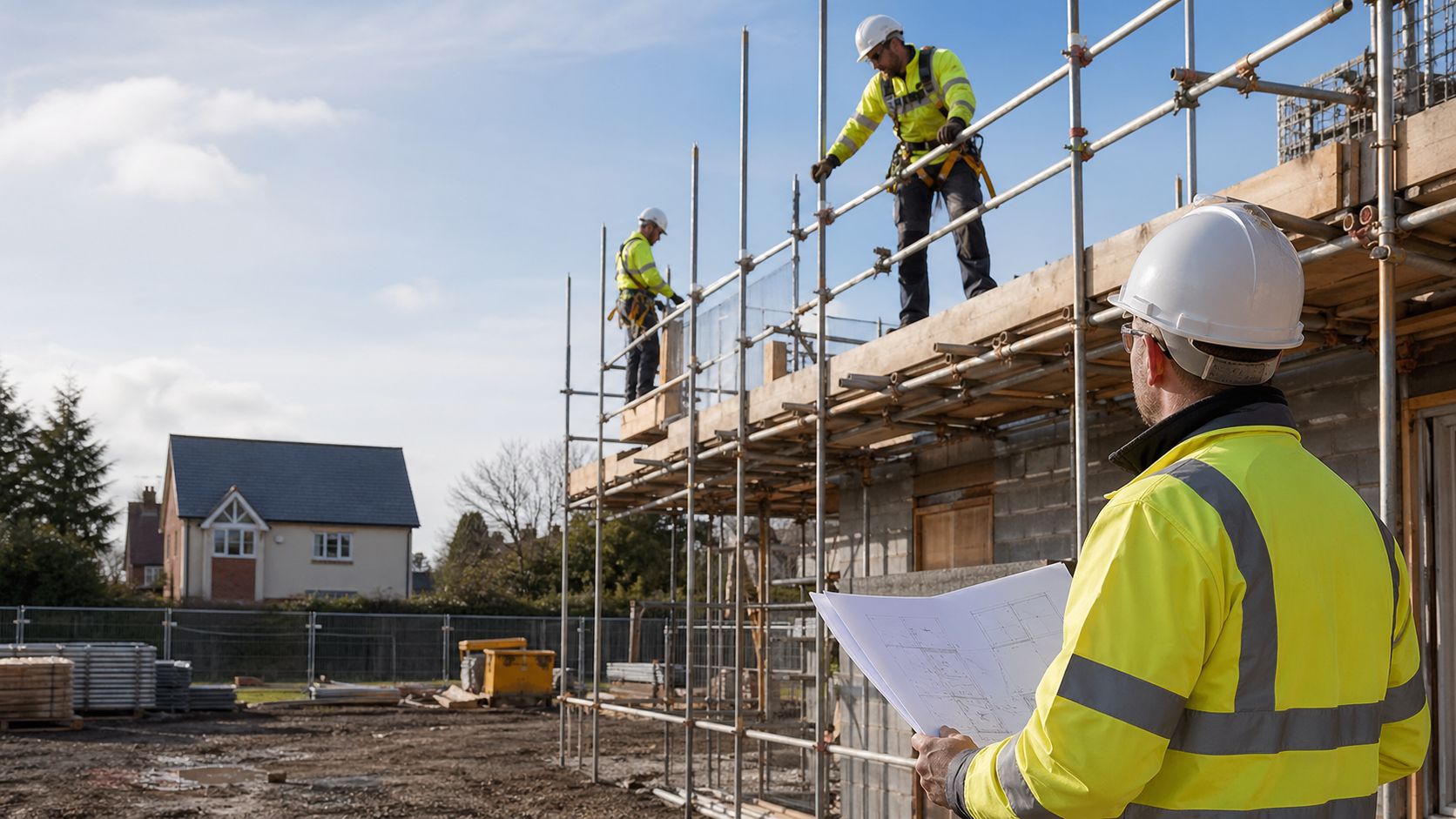
Work at Height in Construction: Managing the Risk

Driving Culture and Performance in HS

Education and Training
Strategic Environmental Management – A Key Requirement at Level 7
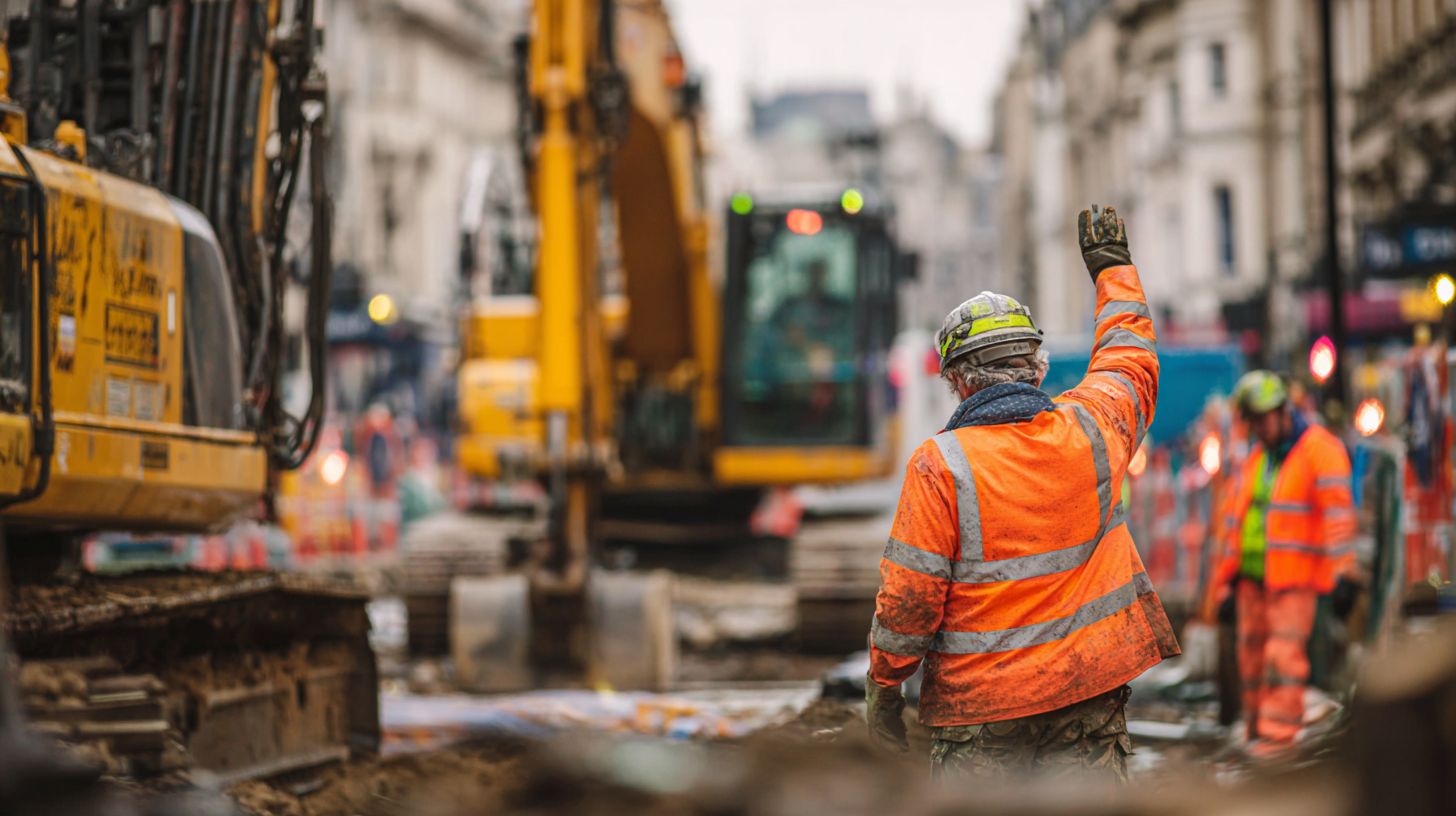
Near Miss Reporting in Construction
The Competent Person in Construction: More Than a Certificate
How to Prepare for a HSE Construction Site Inspection
Advice
Understanding CDM 2015: A Practical Guide

2024-06-12 16:20:00Advice
Construction Site Inspections: Why They Matter and What to Expect
Education and Training
How to Apply for a CSCS Card: A Step-by-Step Guide for UK Construction

Education and Training
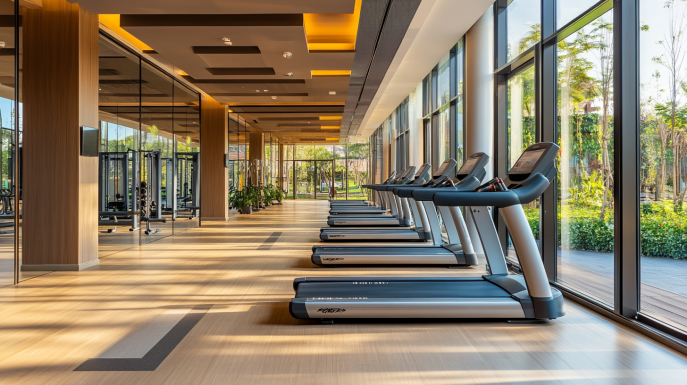
Does a Leisure Facility Require a Health and Safety Certificate?
Education and Training
Successful Health and Safety Case Studies in the UK Leisure Industry

Education and Training
Training for Health and Safety in Leisure

Education and Training
Health and Safety Training Programs in the Leisure Industry

Preventive Measures
Case Studies on Health and Safety Success in Leisure
Preventive Measures
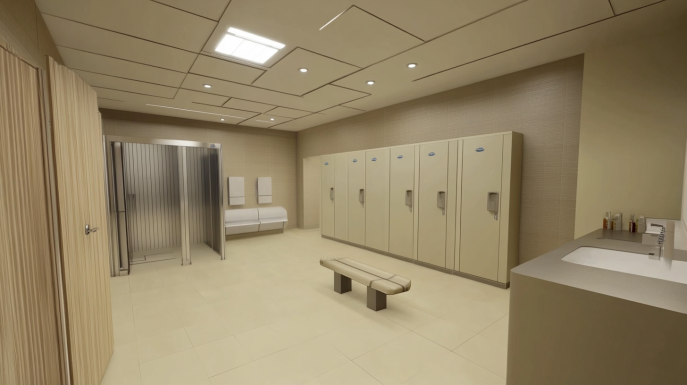
Health and Safety in Leisure Centre Changing Rooms
Workplace Culture
Health and Safety Procedures in Hotels

Workplace Culture
Health and Safety in a Leisure Centre
Becoming a fire risk assessor requires more than learning how to complete a form. Professional competence develops through fire-safety knowledge, appropriate qualifications, practical experience, professional judgement, accurate reporting, continuing professional development and working within the limits of your competence.
There is no single route for everyone. Your right starting point depends on what you can already demonstrate.
Your existing knowledge and experience determine where development should begin. General Health & Safety experience is valuable, but it does not automatically prove occupational fire-risk-assessment competence.
Build a Foundation-level understanding before progressing into supervised assessment activity and real building experience.
Use transferable risk skills while developing specific fire-safety knowledge, building understanding and practical FRA experience.
Develop specialist competence around the premises, occupants, management systems and fire precautions you work with.
Map current evidence against modern competence expectations, identify genuine gaps and progress at the appropriate level.
Foundation development for people building specific fire-risk-assessment knowledge.
Intermediate development with substantially more practical competence and professional reporting.
The government has committed to introducing mandatory independent certification for fire risk assessors in England. The consultation closed on 18 June 2026. As of September 2026, the final framework and implementation arrangements have not yet been brought into force.
This means fire risk assessment is not currently a regulated profession with mandatory certification, although assessors must still be competent for the work they undertake and duty holders must ensure assessments are suitable and sufficient.
This section should be reviewed when government proposals or legislation change.
Structured learning and assessment against defined outcomes, awarded by a regulated awarding organisation.
Independent verification of competence against the rules and standards of a certification scheme.
Recognition through a professional register or body, normally subject to competence, conduct and CPD requirements.
Completing a SHEC qualification does not automatically provide certification, professional registration or unrestricted competence.
✓ Observe experienced and competent assessors.
✓ Begin with simpler, lower-risk premises.
✓ Complete supervised assessment activity.
✓ Receive feedback on findings and reports.
✓ Build evidence across different premises and scenarios.
✓ Develop knowledge of construction and fire protection.
✓ Increase complexity gradually.
✓ Refer work beyond your competence to specialists.
No single degree route is required. You need relevant knowledge, training, experience and other qualities appropriate to the work you undertake.
Yes, but general H&S experience alone is not enough. You must develop fire-specific knowledge and supervised practical experience.
Yes. Facilities and property experience can be a strong starting point, provided fire-specific competence is developed and evidenced.
Potentially. Current ProQual entry permits the Level 3 Award or at least three years’ proven occupational fire-risk-assessment experience, subject to suitability assessment.
Knowledge can be developed online, but professional competence also requires practical experience, assessment activity and evidence that cannot be replaced by online study alone.
There is no universal timescale. It depends on your starting knowledge, access to practical experience, qualification route and the scope of work you intend to undertake.
It is a framework describing competence for individual fire risk assessors at Foundation, Intermediate and Advanced levels. It is not itself a qualification or a step-by-step assessment method.
No. Competence must always be matched to the premises, risks and complexity of the assessment.
Tell SHEC about your background, experience and intended role. We will help you identify the development route that matches what you can already demonstrate.