

All blogs
How to Prepare for a HSE Construction Site Inspection
2026-03-04 17:14:07.15967+00
Author Nigel Lewis BA (Hons) CMIOSH OSHCR PIEMA
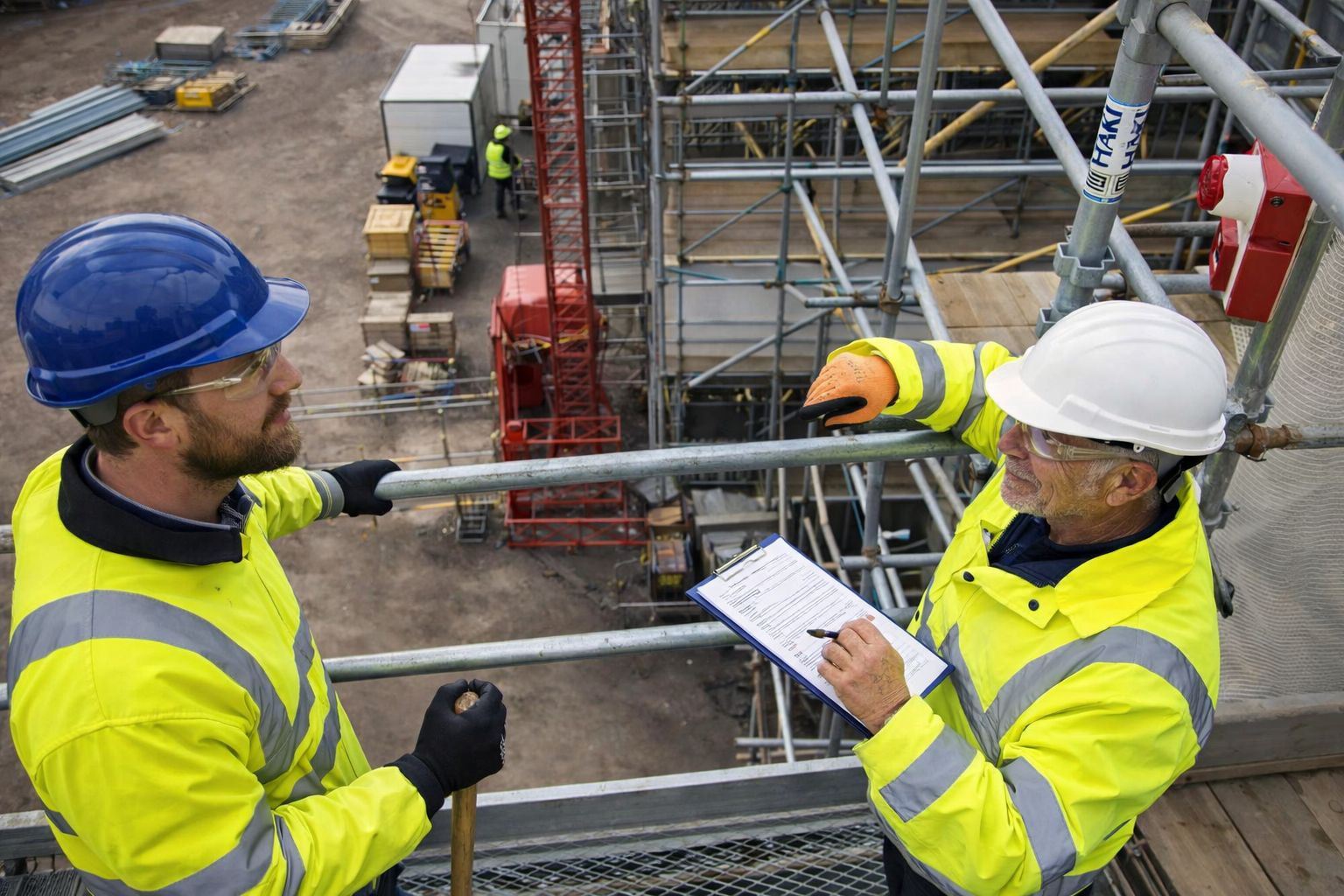
A visit from the Health and Safety Executive is a standard aspect of UK construction regulation. For organisations with robust systems and well-managed sites, these visits serve as professional engagements rather than sources of stress. Understanding the inspection criteria and preparing thoroughly can reduce the risk of enforcement actions, delays, and reputational damage.
To understand how best to prepare, it is helpful to first consider why HSE inspections take place.
The Health and Safety Executive may visit a construction site for several reasons:
- Routine proactive inspection programmes
- Follow-up visits after previous enforcement action.
- Investigations following accidents or dangerous occurrences
- Complaints or reports from workers or members of the public
- Targeted campaigns focusing on high-risk activities
Since inspections often happen without warning, compliance must be a daily habit. Do not wait to prepare only when a visit is expected.
What Inspectors Typically Look For
While every inspection differs depending on the project type and risk profile, inspectors commonly assess:
Site Management and Supervision
- Clear allocation of responsibilities
- Competent supervision
- Evidence of effective monitoring
Ensuring supervisors are formally qualified, for example through a Level 3 NVQ in Occupational Work Supervision, can significantly improve site standards and inspection outcomes.
Documentation
- Construction Phase Plan
- Risk Assessments and Method Statements
- Induction records
- Training and competence records
- Equipment inspection records
All documentation must be clear, site-specific, enough for the job, and easy for people to access.
High Risk Activities
Particular attention is usually given to:
- Work at height
- Excavations
- Lifting operations
- Temporary works
- Control of hazardous substances
Inspectors want to see that real control measures are in place on site. They do not rely only on paperwork.
Welfare Facilities
Adequate welfare is a common area of non-compliance. Sites must give proper facilities to all workers.
- Toilets
- Hand washing facilities
- Drinking water
- Rest areas
These facilities must fit the size and needs of the site's workforce.
Common Reasons for Enforcement Action
Enforcement action typically results from:
- Unsafe work at height
- Poorly managed excavations
- Inadequate edge protection
- Failure to control vehicle movements
- Generic or copied risk assessments
Where serious risk is identified, inspectors may issue:
- Improvement Notices
- Prohibition Notices
- Fee for Intervention charges
In more serious cases, prosecution may follow.
How to Prepare Effectively
To prepare, embed compliance through the following key actions: maintain up-to-date documentation, conduct regular internal inspections, ensure clarity of roles and supervision, verify worker competence through qualification and training checks, and promote a positive safety culture daily.
1. Conduct Regular Internal Inspections
Internal inspections help you spot and fix issues early. Record what you find, take action, and check results. This is part of ongoing improvement.
2. Review Documentation
Ensure all documentation is:
- Current
- Project specific
- Communicated to the workforce
Relying on generic documents is a common weakness. This can make safety systems less effective.
3. Strengthen Supervision
Supervisors must understand their duties. They should handle unsafe behaviour as soon as they see it.
4. Verify Competence
Ensure all workers:
- Hold appropriate qualifications
- Have received relevant training
- Understand site rules
5. Promote a Positive Safety Culture
Inspectors often talk to workers. If workers know the risks and controls, it shows good leadership and communication.
Knowing what to expect on the day of an inspection will help ensure a smooth process.
The HSE provides detailed guidance on what inspectors expect during construction site visits.
Typically, an inspection will involve:
- An initial discussion with site management
- A site walk around
- Review of documentation
- Conversations with workers
- Feedback on findings
Inspectors may provide advice or record required actions. Stay professional and cooperative during the visit.
Turning Inspections into Opportunities
Inspections are not just threats. When used well, they help check good practice and support improvement.
- Validate good practice
- Highlight areas for improvement
- Strengthen management systems
- Reinforce accountability
Companies that make compliance part of daily operations are less likely to face serious enforcement action.

Author:
Nigel Lewis BA (Hons) CMIOSH OSHCR PIEMA








Related blogs
 Advice
Asbestos in Construction: What Senior Professionals Must Know
Advice
Manual Handling in Construction: Responsibilities at Every Level

Advice
Risk Assessments and Method Statements: Getting RAMS Right
Advice
Work at Height in Construction: Managing the Risk

Driving Culture and Performance in HS

Education and Training
Strategic Environmental Management – A Key Requirement at Level 7
Near Miss Reporting in Construction
The Competent Person in Construction: More Than a Certificate
How to Prepare for a HSE Construction Site Inspection

Advice
Understanding CDM 2015: A Practical Guide

2024-06-12 16:20:00Advice
Construction Site Inspections: Why They Matter and What to Expect

Education and Training
How to Apply for a CSCS Card: A Step-by-Step Guide for UK Construction

Education and Training
Does a Leisure Facility Require a Health and Safety Certificate?

Education and Training
Successful Health and Safety Case Studies in the UK Leisure Industry

Education and Training
Training for Health and Safety in Leisure

Education and Training
Health and Safety Training Programs in the Leisure Industry

Preventive Measures
Case Studies on Health and Safety Success in Leisure
Preventive Measures
Health and Safety in Leisure Centre Changing Rooms

Workplace Culture
Health and Safety Procedures in Hotels

Workplace Culture
Health and Safety in a Leisure Centre