

All blogs
Identifying and Preventing Occupational Diseases
Preventive Measures
2025-07-08 15:09:11.549422+00
Author Nigel Lewis BA (Hons) CMIOSH OSHCR PIEMA
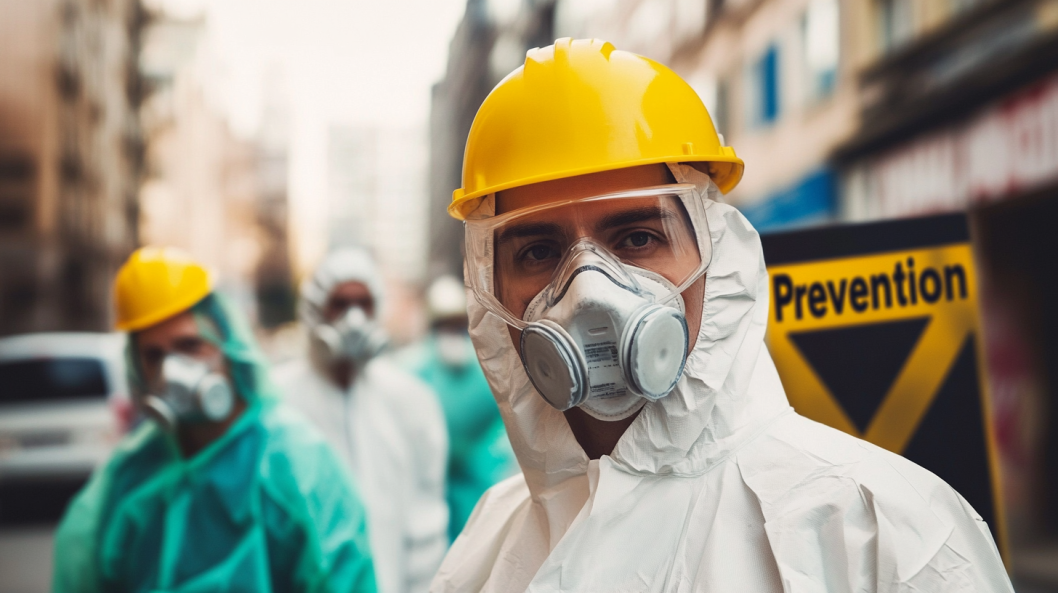
Occupational diseases are illnesses that result from work-related exposures and conditions. As industries evolve and new technologies emerge, the landscape of workplace health risks is constantly changing. Identifying and preventing these diseases is crucial for safeguarding employee well-being and maintaining a healthy work environment. The RIDDOR 2013 requires employers to report specific workplace incidents, including certain injuries, diseases, and dangerous occurrences. This helps monitor and improve workplace safety.
From my perspective, the importance of identifying and preventing occupational diseases cannot be overstated. As someone who has worked in occupational health for many years, I have seen firsthand the devastating impact these diseases can have on individuals and organisations. Learning about regulatory practices is crucial because compliance with health and safety regulations ensures that preventive measures are systematically applied, reducing the risk of disease and enhancing workplace safety. It is not just a matter of compliance but about fostering a safe and healthy workplace where employees can thrive. Employers who take proactive steps protect their workforce and enhance their productivity and reputation.
Identifying Occupational Diseases
Preventing Occupational Diseases
Identifying and preventing occupational diseases requires a proactive approach involving employers and employees. Organisations can safeguard their workforce and promote a healthier work environment by understanding common conditions, recognising symptoms early, conducting risk assessments, and implementing preventive measures. Prioritising health and safety isn't just about compliance; it's about creating a sustainable business model that values its most crucial asset – its people.
Develop your knowledge and practice
Compare qualifications against your responsibilities and experience. Explore the Health & Safety qualifications or ask SHEC about a suitable study route.

Author:
Nigel Lewis BA (Hons) CMIOSH OSHCR PIEMA








Related blogs
 Advice
Asbestos in Construction: What Senior Professionals Must Know
Advice
Manual Handling in Construction: Responsibilities at Every Level

Advice
Risk Assessments and Method Statements: Getting RAMS Right
Advice
Work at Height in Construction: Managing the Risk

Driving Culture and Performance in HS
Education and Training
Strategic Environmental Management – A Key Requirement at Level 7
Near Miss Reporting in Construction
The Competent Person in Construction: More Than a Certificate
How to Prepare for a HSE Construction Site Inspection

Advice
Understanding CDM 2015: A Practical Guide

2024-06-12 16:20:00Advice
Construction Site Inspections: Why They Matter and What to Expect

Education and Training
How to Apply for a CSCS Card: A Step-by-Step Guide for UK Construction

Education and Training
Does a Leisure Facility Require a Health and Safety Certificate?

Education and Training
Successful Health and Safety Case Studies in the UK Leisure Industry

Education and Training
Training for Health and Safety in Leisure

Education and Training
Health and Safety Training Programs in the Leisure Industry

Preventive Measures
Case Studies on Health and Safety Success in Leisure

Preventive Measures
Health and Safety in Leisure Centre Changing Rooms

Workplace Culture
Health and Safety Procedures in Hotels

Workplace Culture
Health and Safety in a Leisure Centre