

All blogs
Implementing Safety Policies: A Comprehensive Guide for UK Businesses
2025-07-08 15:09:10.290673+00
Author Nigel Lewis BA (Hons) CMIOSH OSHCR PIEMA
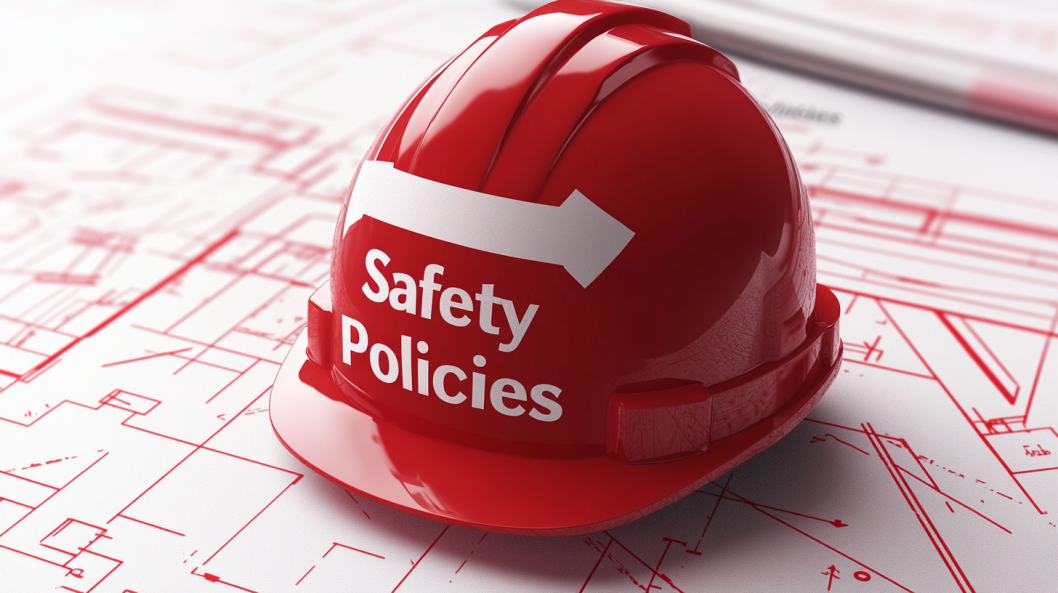
Creating a safe working environment is more than just a legal requirement; it is a crucial element of responsible business management. In the UK, establishing strong safety policies is vital for safeguarding employees, meeting regulatory standards, and cultivating a safety culture within your organisation.In my professional experience, one of the most overlooked aspects of business management is the implementation of robust safety policies. It’s easy to view health and safety as a mere regulatory requirement, but it is crucial to a thriving, sustainable business. Understanding and mastering health & safety protocols is fundamental because it provides the framework for systematically addressing potential risks and ensuring that safety measures are consistently applied. This guide provides a clear, actionable framework for developing and enforcing effective safety policies.
1. Understand Your Legal Obligations
The Health and Safety at Work Act 1974 and its associated regulations form the cornerstone of health and safety legislation in the UK. It is imperative to be well-versed in these legal requirements, which mandate that employers provide a safe working environment and carry out risk assessments regularly. Familiarise yourself with specific regulations relevant to your industry, such as the Control of Substances Hazardous to Health (COSHH) Regulations or the Management of Health and Safety at Work Regulations 1999.
2. Conduct a Thorough Risk Assessment
Before drafting safety policies, perform a comprehensive risk assessment to identify potential hazards within your workplace. Engage employees in this process, as they can offer valuable insights into practical risks and unsafe practices. Use the findings to prioritise areas of concern and implement targeted control measures.
3. Develop Clear, Concise Policies
Once you have identified risks, develop safety policies that address these hazards effectively. Ensure that your policies are clear, concise, and easy to understand. Include the following key elements:
4. Communicate and Train
Effective communication is crucial for the successful implementation of safety policies. Ensure all employees know the policies and understand their roles in adhering to them. Conduct regular training sessions to reinforce safety practices and update employees on any policy changes. Various methods, including written communications, meetings, and workshops, cater to different learning styles.
5. Implement and Enforce Policies
Putting your policies into practice involves integrating them into everyday operations. Ensure that safety measures are consistently applied and that employees adhere to established procedures. Develop a system for monitoring compliance and addressing non-conformance. Regularly review incident reports and near-miss data to identify areas for improvement and adjust your policies accordingly.
6. Foster a Culture of Safety
A successful safety policy goes beyond documentation and training; it requires a safety culture throughout the organisation. Encourage open dialogue about safety concerns and create an environment where employees feel comfortable reporting issues. Recognise and reward safe practices to motivate and engage your workforce in maintaining high safety standards.
From my perspective, the true value of implementing comprehensive safety policies extends beyond mere compliance. It’s about embedding safety into the very fabric of your organisation and demonstrating a genuine commitment to your employees’ wellbeing. By prioritising safety, you protect your team and foster a more resilient, productive, and engaged workforce, laying the foundation for long-term success and sustainable growth.
Develop your knowledge and practice
Compare qualifications against your responsibilities and experience. Explore the Health & Safety qualifications or ask SHEC about a suitable study route.

Author:
Nigel Lewis BA (Hons) CMIOSH OSHCR PIEMA








Related blogs
 Advice
Asbestos in Construction: What Senior Professionals Must Know

Advice
Manual Handling in Construction: Responsibilities at Every Level

Advice
Risk Assessments and Method Statements: Getting RAMS Right

Advice
Work at Height in Construction: Managing the Risk

Driving Culture and Performance in HS

Education and Training
Strategic Environmental Management – A Key Requirement at Level 7

Near Miss Reporting in Construction

The Competent Person in Construction: More Than a Certificate

How to Prepare for a HSE Construction Site Inspection

Advice
Understanding CDM 2015: A Practical Guide

2024-06-12 16:20:00Advice
Construction Site Inspections: Why They Matter and What to Expect

Education and Training
How to Apply for a CSCS Card: A Step-by-Step Guide for UK Construction

Education and Training
Does a Leisure Facility Require a Health and Safety Certificate?

Education and Training
Successful Health and Safety Case Studies in the UK Leisure Industry

Education and Training
Training for Health and Safety in Leisure

Education and Training
Health and Safety Training Programs in the Leisure Industry

Preventive Measures
Case Studies on Health and Safety Success in Leisure

Preventive Measures
Health and Safety in Leisure Centre Changing Rooms

Workplace Culture
Health and Safety Procedures in Hotels

Workplace Culture
Health and Safety in a Leisure Centre