

All blogs
Integrating Environmental Sustainability: Embracing the Green HSE Par
2025-07-08 15:09:09.259494+00
Author Nigel Lewis BA (Hons) CMIOSH OSHCR PIEMA

In today's world, where environmental concerns are increasingly at the forefront of global discussions, integrating environmental sustainability into workplace safety practices has become more crucial. This paradigm shift toward Green HSE reflects a growing awareness of the interconnectedness between workplace safety, human well-being, and the planet's health.
I firmly believe that integrating sustainability into HSE practices isn’t just a compliance requirement; it’s a strategic advantage. Companies prioritising the green HSE model contribute to environmental preservation and achieve greater operational efficiency, bolster brand reputation, and secure long-term success. This article explores the significance of Green HSE, its benefits, practical strategies for implementation, and the importance of conducting risk assessments in this context.
The Interconnection of Health, Safety, and the Environment
Health and safety initiatives have traditionally focused on protecting workers from immediate physical hazards. However, a broader perspective acknowledges that the environment in which work occurs is equally critical to long-term well-being. Green HSE recognises the inextricable link between a healthy environment and employees' health and safety.
Importance of Risk Assessments in Green HSE
Risk assessments are an essential aspect of Green HSE practices. They help identify and control potential hazards to employees and the environment. Organisations gain a holistic understanding of workplace threats by conducting comprehensive risk assessments that include environmental risks alongside traditional safety hazards. This approach ensures that sustainability considerations are integrated into safety planning and mitigation strategies.
What are the Benefits of Green HSE
Implementing Green HSE practices offers numerous benefits to organisations, employees, and the environment:
• Reduced Environmental Impact: Green HSE practices help minimise a company\'s ecological footprint, contributing to resource conservation, waste reduction, and lower emissions.
•Enhanced Employee Well-being: A healthier environment positively influences employee health and morale. Cleaner air, access to natural light, and sustainable practices contribute to a more positive work atmosphere.
• Regulatory Compliance: Green HSE ensures that organisations meet environmental standards and go beyond, demonstrating a commitment to sustainable practices.
• Cost Savings: Sustainable practices often lead to resource efficiency, reduced energy consumption, and operational cost savings, making Green HSE economically prudent and environmentally responsible.
Are there Practical Strategies for Green HSE Implementation?
Of course, there are. To effectively implement Green HSE practices, organisations can adopt the following strategies:
• Conduct Comprehensive Risk Assessments: Identify and mitigate environmental risks alongside traditional safety hazards to ensure a holistic understanding of workplace threats.
• Implement Waste Reduction and Recycling Programs: Minimise the environmental impact of daily operations through waste reduction strategies and proper disposal of hazardous materials.
• Invest in Energy Efficiency: Adopt energy-efficient technologies and practices to reduce overall energy consumption within the workplace.
• Foster Employee Engagement and Training: Educate employees about the connection between their actions and environmental impact, fostering a culture of environmental responsibility.
• Promote Supply Chain Sustainability: Extend Green HSE principles to the supply chain by collaborating with environmentally conscious suppliers.
The Green HSE paradigm represents a transformative, holistic approach that integrates environmental stewardship with health and safety protocols, forging a unified framework that transcends traditional environmental protection. This paradigm embodies a commitment to safeguarding the well-being of employees, communities, and ecosystems while fostering a culture of accountability, innovation, and sustainability. As the climate crisis accelerates, businesses must adopt sustainable practices more urgently than ever. This includes initiatives such as reducing carbon footprints, optimising waste management, and embracing renewable energy solutions. Organisations can drive meaningful change by aligning operations with these sustainable models while securing long-term viability.
Develop your knowledge and practice
Compare qualification routes for environmental and sustainability responsibilities. Explore the Environmental Management qualifications or ask SHEC about a suitable study route.

Author:
Nigel Lewis BA (Hons) CMIOSH OSHCR PIEMA








Related blogs
 Advice
Asbestos in Construction: What Senior Professionals Must Know

Advice
Manual Handling in Construction: Responsibilities at Every Level

Advice
Risk Assessments and Method Statements: Getting RAMS Right
Advice
Work at Height in Construction: Managing the Risk

Driving Culture and Performance in HS

Education and Training
Strategic Environmental Management – A Key Requirement at Level 7
Near Miss Reporting in Construction
The Competent Person in Construction: More Than a Certificate
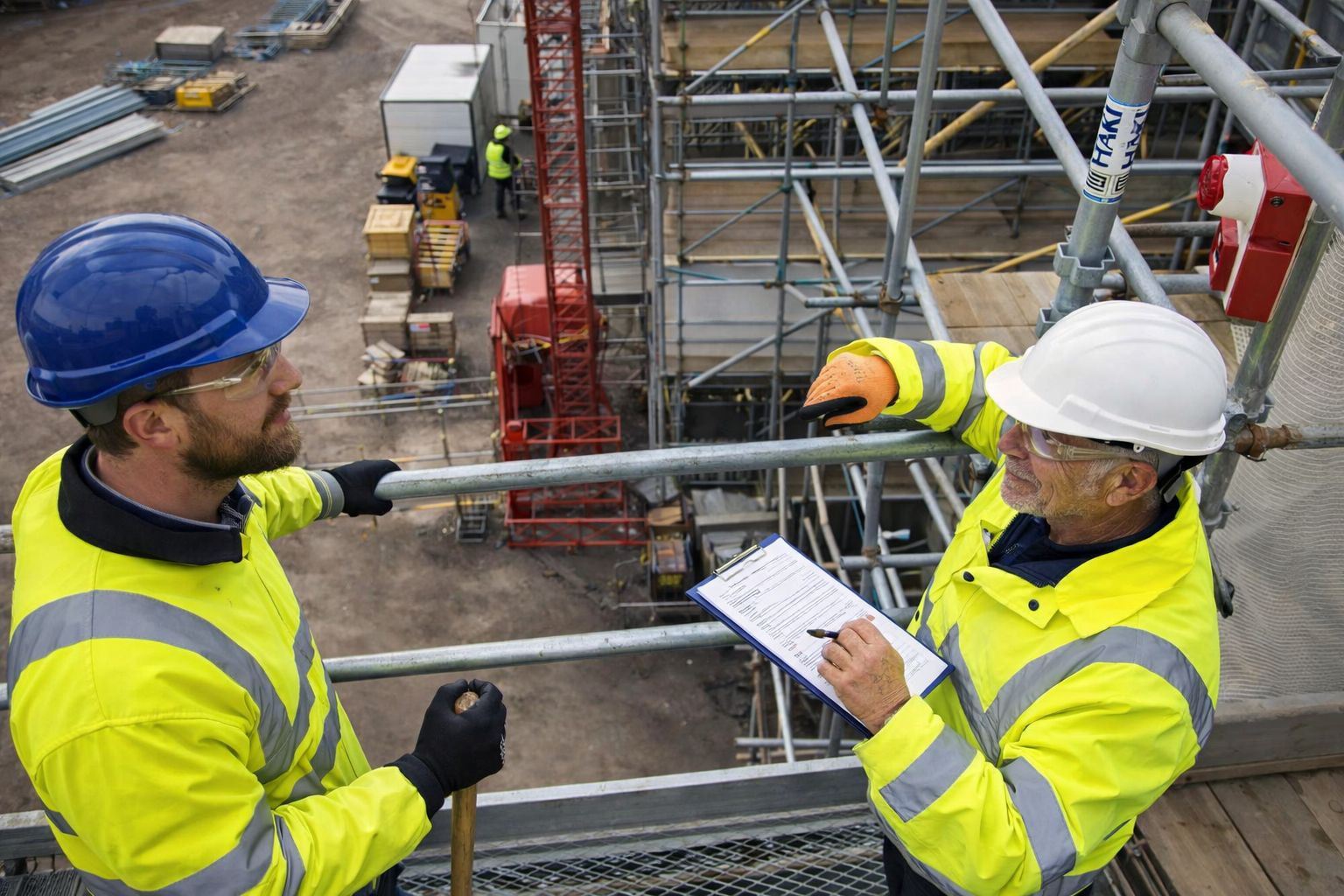
How to Prepare for a HSE Construction Site Inspection
Advice
Understanding CDM 2015: A Practical Guide

2024-06-12 16:20:00Advice
Construction Site Inspections: Why They Matter and What to Expect

Education and Training
How to Apply for a CSCS Card: A Step-by-Step Guide for UK Construction

Education and Training
Does a Leisure Facility Require a Health and Safety Certificate?
Education and Training
Successful Health and Safety Case Studies in the UK Leisure Industry

Education and Training
Training for Health and Safety in Leisure

Education and Training
Health and Safety Training Programs in the Leisure Industry

Preventive Measures
Case Studies on Health and Safety Success in Leisure

Preventive Measures
Health and Safety in Leisure Centre Changing Rooms

Workplace Culture
Health and Safety Procedures in Hotels

Workplace Culture
Health and Safety in a Leisure Centre