

All blogs
Integrating Work-Life Balance into Your Workplace Culture
2025-07-08 15:09:11.015203+00
Author Nigel Lewis BA (Hons) CMIOSH OSHCR PIEMA
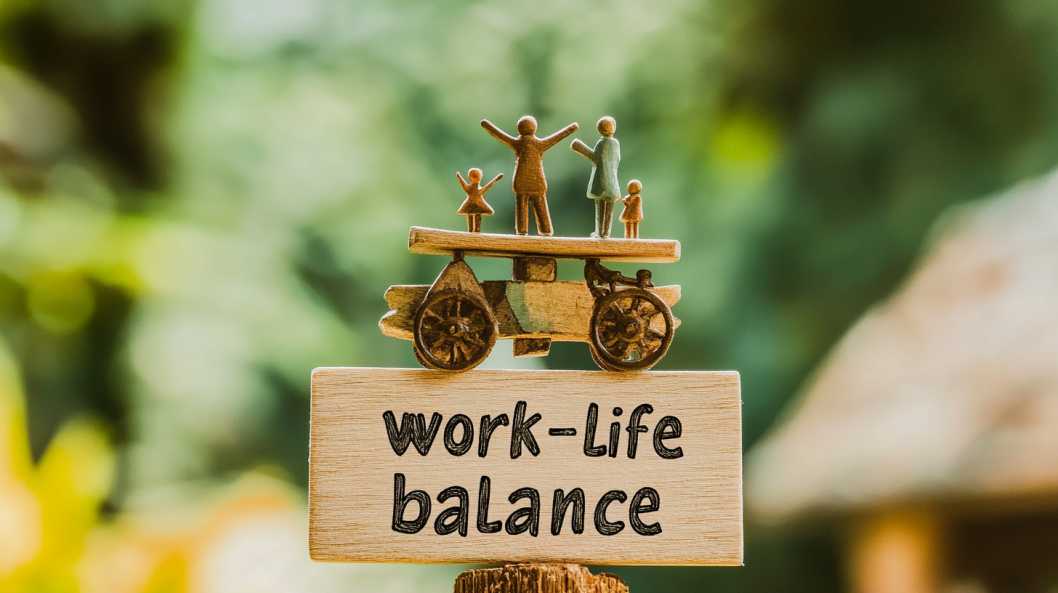
A harmonious work-life balance is a personal aspiration and a crucial element of a thriving workplace culture. Organisations prioritising work-life balance enhance employee satisfaction and retention and boost overall productivity. Integrating work-life balance into your workplace culture requires a thoughtful approach and a commitment to creating an environment where employees can excel professionally while maintaining their well-being.Fostering a supportive environment that values professional achievements and personal satisfaction is not just a trend but a strategic necessity. Organisations that successfully integrate work-life balance into their culture often see enhanced employee engagement, lower turnover rates, and a more dynamic work environment. Health & Safety Leadership is crucial for this integration, as leaders set the tone and expectations for organisational practices. Effective leadership ensures that work-life balance is prioritised and embedded into company policies and everyday practices, demonstrating a commitment to employee well-being. By prioritising this balance, leaders improve workplace culture and drive organisational success and sustainability.
Understanding the Importance of Work-Life Balance
Work-life balance refers to the equilibrium between personal life and professional responsibilities. It's about creating a harmonious relationship where neither aspect overshadows the other. This balance is vital for employees to reduce stress, prevent burnout, and promote happiness. Employees who feel that their personal lives are valued and supported are more likely to be engaged, motivated, and productive at work. The World Health Organization (WHO) indicates that a poor work-life balance is associated with higher stress levels and burnout, negatively impacting productivity and job satisfaction. Employees are less prone to work-related stress when their job demands align with their skills and knowledge when they have control over how they perform their tasks, when they receive support from supervisors and coworkers, and when they are involved in decisions that affect their roles.
Steps to Integrate Work-Life Balance into Your Workplace Culture
Creating a workplace culture that embraces work-life balance is not just about implementing policies; it's about fostering a mindset and environment that values employees, well-being. Organisations can build a culture where work-life balance thrives by leading by example, offering flexibility, promoting a healthy work environment, and encouraging open communication. This, in turn, leads to happier, more engaged employees who are motivated to contribute their best to the organisation's success.
Develop your knowledge and practice
Compare qualifications against your responsibilities and experience. Explore the Health & Safety qualifications or ask SHEC about a suitable study route.

Author:
Nigel Lewis BA (Hons) CMIOSH OSHCR PIEMA








Related blogs

 Advice
Asbestos in Construction: What Senior Professionals Must Know

Advice
Manual Handling in Construction: Responsibilities at Every Level

Advice
Risk Assessments and Method Statements: Getting RAMS Right

Advice
Work at Height in Construction: Managing the Risk

Driving Culture and Performance in HS

Education and Training
Strategic Environmental Management – A Key Requirement at Level 7

Near Miss Reporting in Construction

The Competent Person in Construction: More Than a Certificate
How to Prepare for a HSE Construction Site Inspection

Advice
Understanding CDM 2015: A Practical Guide

2024-06-12 16:20:00Advice
Construction Site Inspections: Why They Matter and What to Expect

Education and Training
How to Apply for a CSCS Card: A Step-by-Step Guide for UK Construction

Education and Training
Does a Leisure Facility Require a Health and Safety Certificate?
Education and Training
Successful Health and Safety Case Studies in the UK Leisure Industry

Education and Training
Training for Health and Safety in Leisure

Education and Training
Health and Safety Training Programs in the Leisure Industry

Preventive Measures
Case Studies on Health and Safety Success in Leisure
Preventive Measures
Health and Safety in Leisure Centre Changing Rooms

Workplace Culture
Health and Safety Procedures in Hotels

Workplace Culture
Health and Safety in a Leisure Centre