

All blogs
Must-Have Safety and Health Certification Programs for Professionals
Education and Training
2025-07-08 15:09:10.057707+00
Author Nigel Lewis BA (Hons) CMIOSH OSHCR PIEMA
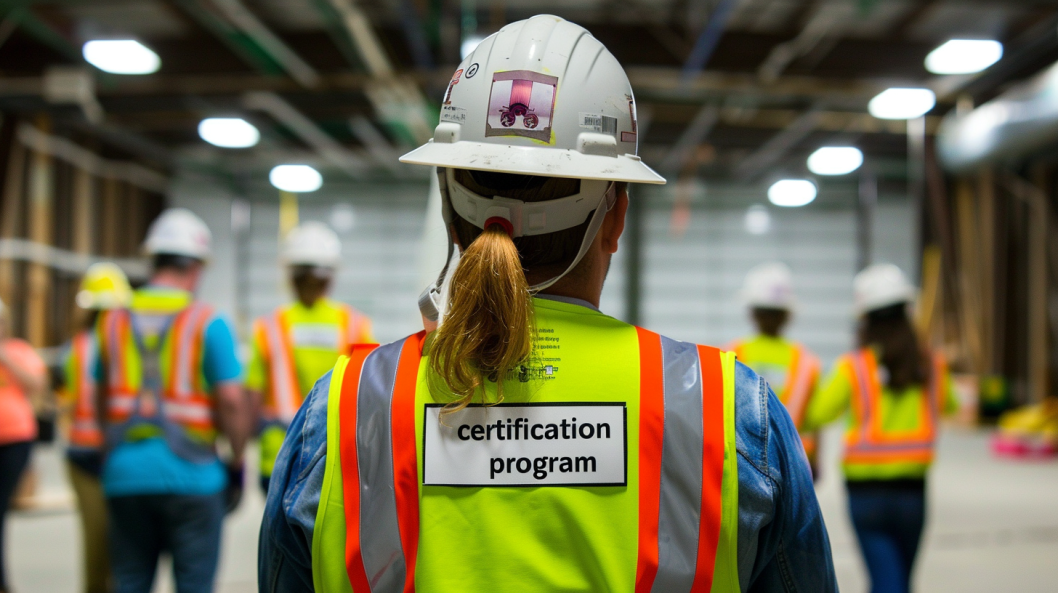
Prioritising safety and health isn't just a regulatory requirement but a moral imperative. As someone who has navigated the complexities of workplace safety for years, I firmly believe that obtaining the right certifications can enhance your career and improve safety standards across various industries. Whether you're just starting or looking to advance in your profession, investing in these essential safety and health certification programs can make a substantial difference in your expertise and your organisation's commitment to safety. Construction NVQ is essential for professionals in the construction industry as it provides a structured framework to validate practical skills and knowledge. This certification enhances credibility and ensures compliance with industry standards and regulations. Thus, it equips individuals with the necessary expertise to navigate complex construction environments, prioritise safety, and deliver high-quality workmanship, ultimately benefiting their employers and clients.
Now, let's explore other must-have certification programs professionals should consider pursuing to enhance their knowledge, skills, and impact in ensuring a safe and healthy workplace environment.
1. OSHA 30-Hour Construction Certification
For professionals in the construction industry, the OSHA 30-Hour Construction Certification is indispensable. Offered by the Occupational Safety and Health Administration (OSHA), this program covers a comprehensive range of topics, including hazard recognition, fall protection, electrical safety, and more. It equips individuals with the knowledge to identify, avoid, and mitigate potential hazards on construction sites, thereby enhancing safety standards across projects.
2. Certified Safety Professional (CSP)
The Certified Safety Professional (CSP) credential suits safety professionals across various industries. Administered by the Board of Certified Safety Professionals (BCSP), this certification demonstrates expertise in safety management, risk assessment, and regulatory compliance. Holding a CSP designation validates your skills and positions you as a leader capable of implementing and overseeing robust safety protocols within organisations.
3. Certified Industrial Hygienist (CIH)
Focused on health hazards in the workplace, the Certified Industrial Hygienist (CIH) certification is crucial for professionals dealing with occupational health risks such as chemical exposures, noise levels, and air quality. Issued by the American Board of Industrial Hygiene (ABIH), CIH holders are trained to assess workplace environments, recommend controls, and ensure compliance with health regulations to protect workers from potential illnesses and injuries.
4. Certified Health and Safety Manager (CHSM)
The Certified Health and Safety Manager (CHSM) designation emphasises a holistic workplace safety and health management approach. Offered by organisations like the National Association of Safety Professionals (NASP), this certification covers topics ranging from emergency planning to ergonomics, preparing professionals to effectively manage safety programs and promote a culture of health and well-being within their organisations.
5. Certified Ergonomics Assessment Specialist (CEAS)
With the rise of musculoskeletal disorders in many industries, the Certified Ergonomics Assessment Specialist (CEAS) certification is becoming increasingly valuable. This program equips professionals with the skills to evaluate workplace ergonomic risks, design solutions, and educate employees on proper ergonomic practices. It's particularly beneficial for professionals involved in office ergonomics, manufacturing setups, and healthcare environments.
6. Certified Hazardous Materials Manager (CHMM)
Professionals responsible for handling hazardous materials greatly benefit from obtaining the Certified Hazardous Materials Manager (CHMM) certification. Managed by the Institute of Hazardous Materials Management (IHMM), this credential signifies expertise in managing hazardous substances, ensuring compliance with environmental regulations, and implementing safe handling practices to minimise risks to human health and the environment.
Based on my experience, investing in certifications reflects a strong commitment to safety and significantly enhances career opportunities. It demonstrates a proactive approach to workplace health and safety management, highlighting an individual’s dedication to continuous improvement. As organisations increasingly prioritise safety as a core value, certified professionals are positioned to drive positive change. Their expertise helps shape safer work environments, fostering a culture of accountability and well-being for all employees. This makes certified professionals indispensable in ensuring safety remains a top priority in any organisation.
Develop your knowledge and practice
Compare qualifications against your responsibilities and experience. Explore the Health & Safety qualifications or ask SHEC about a suitable study route.

Author:
Nigel Lewis BA (Hons) CMIOSH OSHCR PIEMA








Related blogs
 Advice
Asbestos in Construction: What Senior Professionals Must Know

Advice
Manual Handling in Construction: Responsibilities at Every Level

Advice
Risk Assessments and Method Statements: Getting RAMS Right

Advice
Work at Height in Construction: Managing the Risk

Driving Culture and Performance in HS

Education and Training
Strategic Environmental Management – A Key Requirement at Level 7
Near Miss Reporting in Construction
The Competent Person in Construction: More Than a Certificate
How to Prepare for a HSE Construction Site Inspection
Advice
Understanding CDM 2015: A Practical Guide

2024-06-12 16:20:00Advice
Construction Site Inspections: Why They Matter and What to Expect

Education and Training
How to Apply for a CSCS Card: A Step-by-Step Guide for UK Construction

Education and Training
Does a Leisure Facility Require a Health and Safety Certificate?

Education and Training
Successful Health and Safety Case Studies in the UK Leisure Industry

Education and Training
Training for Health and Safety in Leisure

Education and Training
Health and Safety Training Programs in the Leisure Industry

Preventive Measures
Case Studies on Health and Safety Success in Leisure

Preventive Measures
Health and Safety in Leisure Centre Changing Rooms

Workplace Culture
Health and Safety Procedures in Hotels
Workplace Culture
Health and Safety in a Leisure Centre