

All blogs
Strategic Environmental Management – A Key Requirement at Level 7
Education and Training
2026-03-31 11:48:31.177598+00
Author Nigel Lewis BA (Hons) CMIOSH OSHCR PIEMA

At the senior level, environmental management extends beyond compliance. Organisations are required to provide strategic oversight, demonstrate continual improvement, and deliver measurable environmental performance.
Candidates undertaking a Level 7 qualification in Environmental Management are expected to demonstrate leadership, informed decision-making, and the ability to influence organisational direction.
From Operational Control to Strategic Influence
At lower levels, environmental responsibilities are typically operational, including waste management, inspections, and compliance checks. At Level 7, candidates must demonstrate the ability to:
- Develop and implement environmental management systems (EMS).
- Integrate environmental objectives with the organisation’s overall strategy.
- Analyse environmental performance data to drive improvement.
- Influence senior stakeholders and supply chains.
The transition from operational delivery to strategic leadership is a key distinction at Level 7.
Demonstrating Competence in Practice
Level 7 qualifications require candidates to provide evidence of applying their knowledge in real organisational contexts. This includes:
- Leading environmental audits and management reviews
- Establishing key performance indicators that support sustainability objectives
- Managing environmental risks and opportunities
- Driving initiatives such as carbon reduction or resource efficiency
The emphasis is on measurable impact, not just theoretical understanding.
Alignment with ISO 14001A strong understanding of ISO 14001 principles is essential at this level. Candidates should be able to demonstrate:
- Leadership commitment and accountability
- Lifecycle thinking
- Risk-based planning
- Continual improvement
These principles underpin effective environmental management systems and are often central to Level 7 assessments.
The Role of Leadership
Senior environmental professionals must influence culture, not just systems. This involves engaging teams, shaping behaviours, and ensuring environmental considerations are embedded into everyday decision-making. At SHEC, we support candidates in translating these requirements into practical, evidence-based portfolios that reflect real leadership.

Author:
Nigel Lewis BA (Hons) CMIOSH OSHCR PIEMA








Related blogs
 Advice
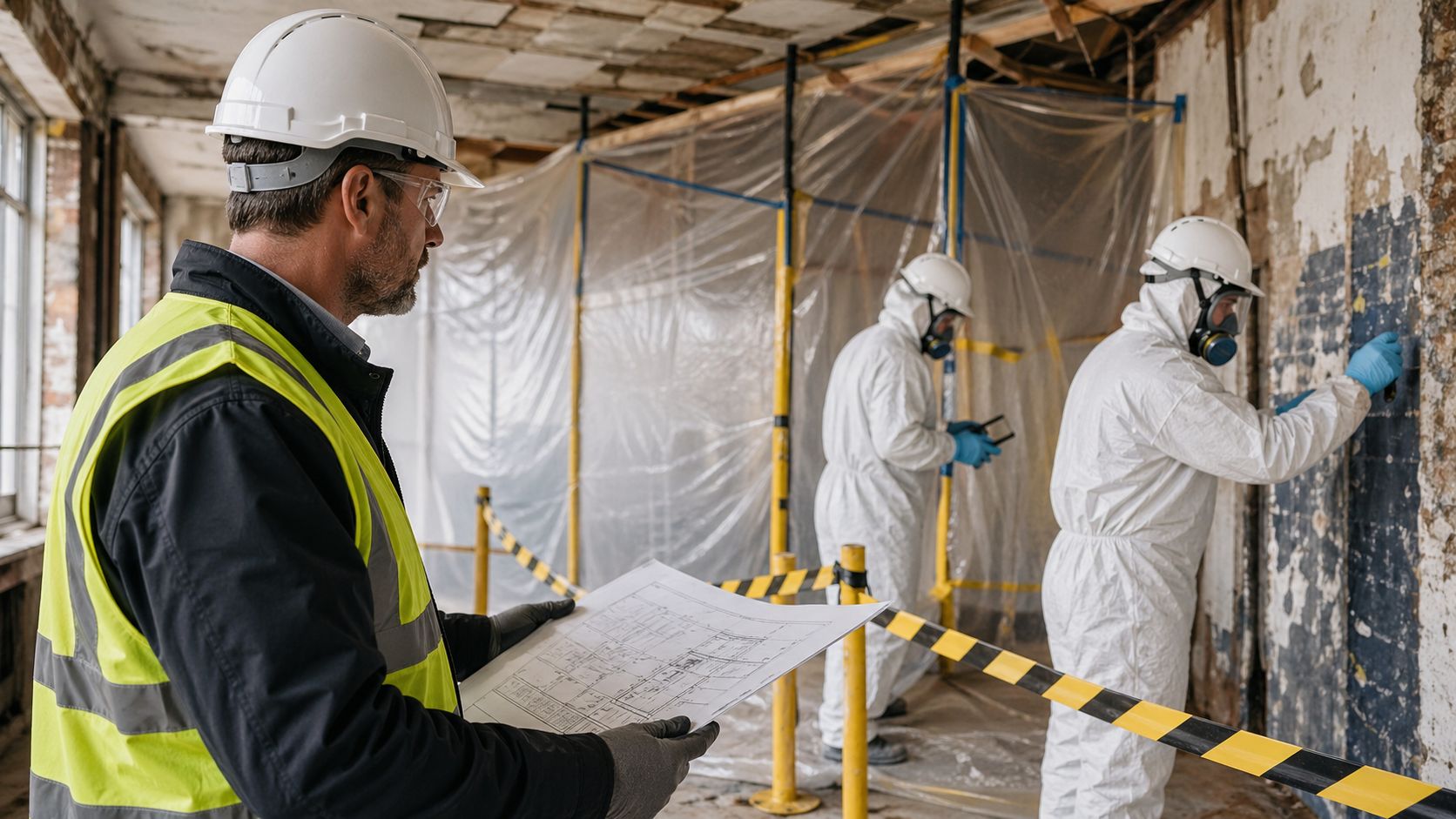
Asbestos in Construction: What Senior Professionals Must Know
Advice
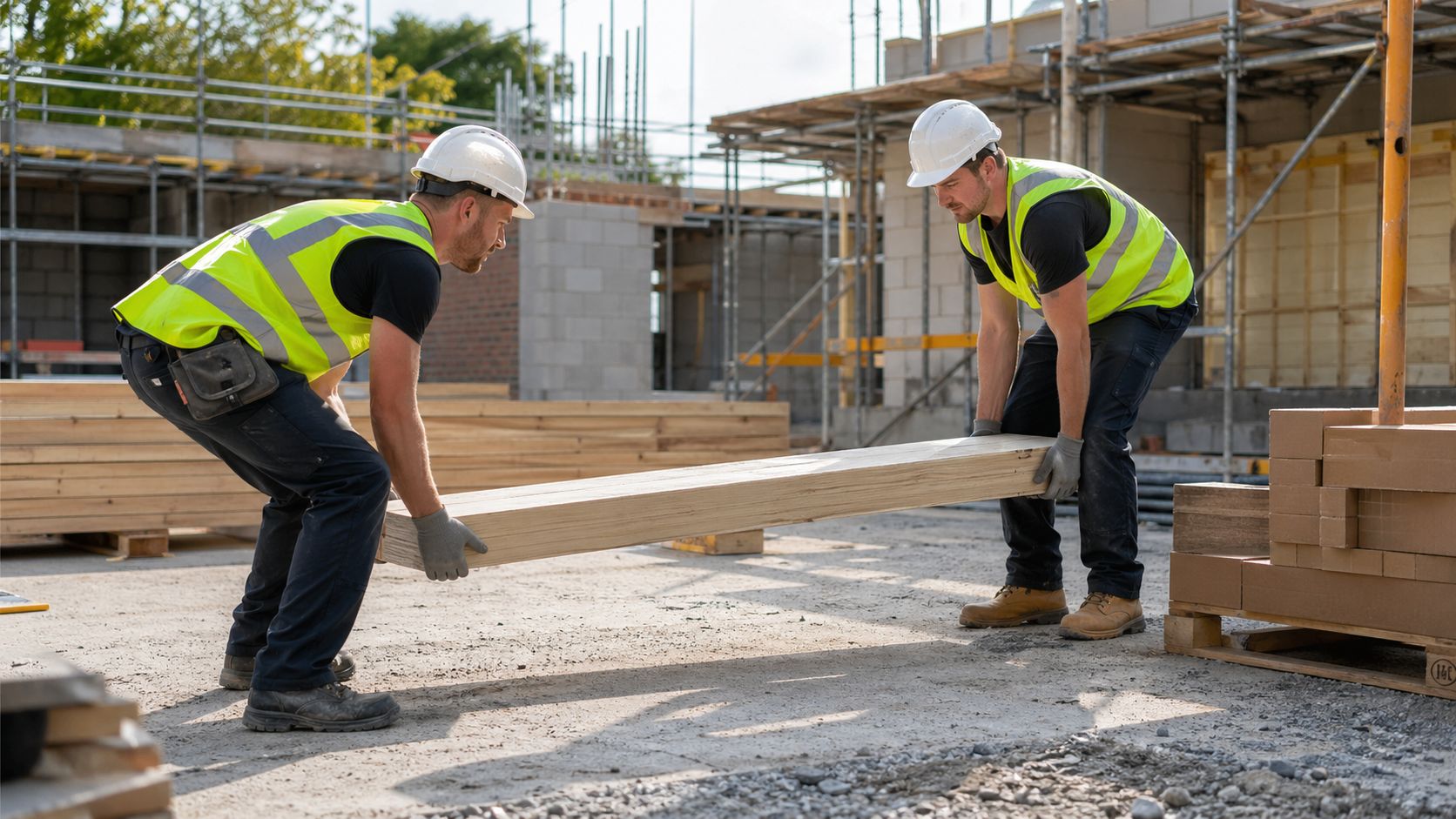
Manual Handling in Construction: Responsibilities at Every Level

Advice
Risk Assessments and Method Statements: Getting RAMS Right
Advice
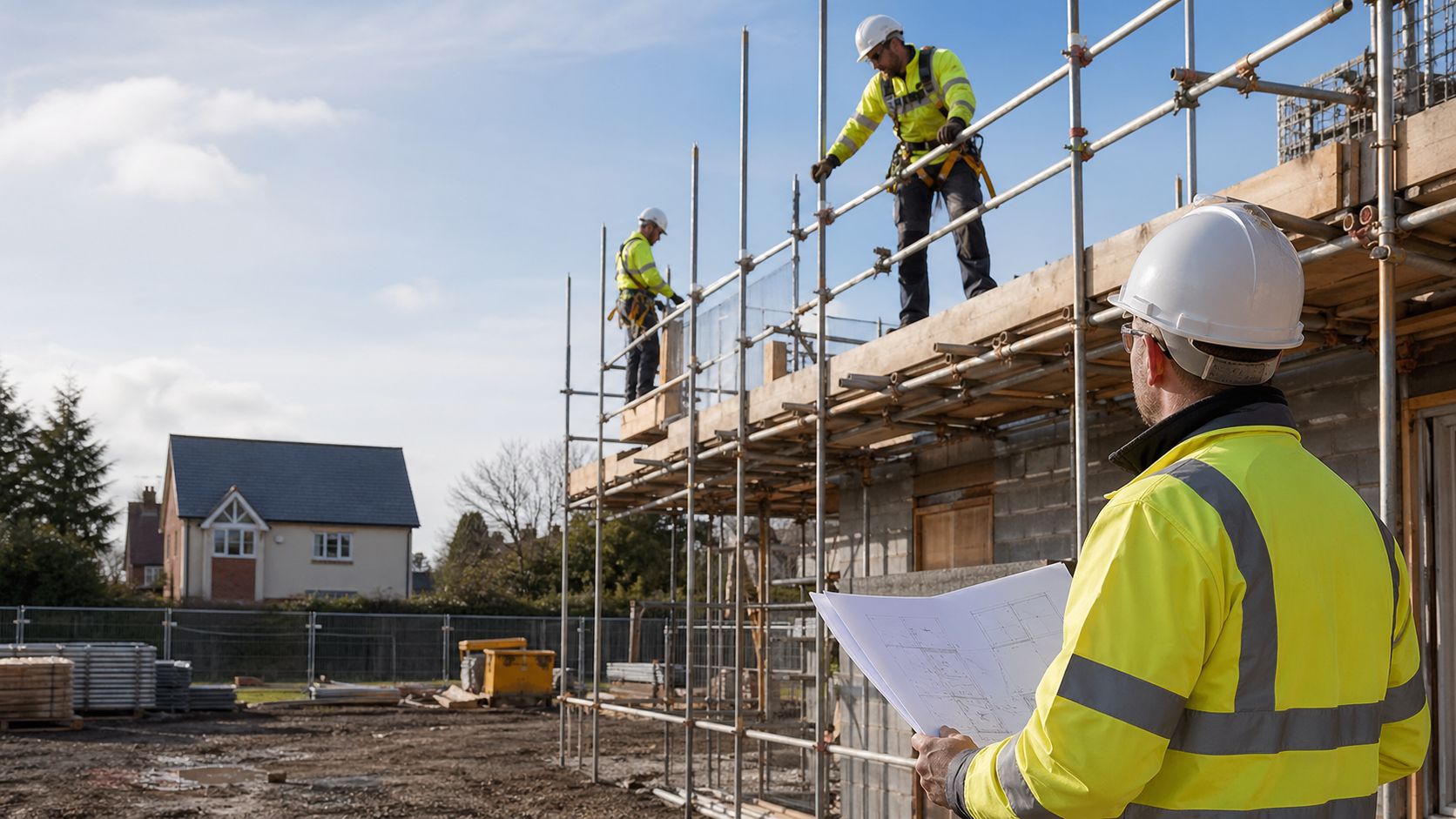
Work at Height in Construction: Managing the Risk

Driving Culture and Performance in HS
Education and Training
Strategic Environmental Management – A Key Requirement at Level 7

Near Miss Reporting in Construction
The Competent Person in Construction: More Than a Certificate
How to Prepare for a HSE Construction Site Inspection

Advice
Understanding CDM 2015: A Practical Guide

2024-06-12 16:20:00Advice
Construction Site Inspections: Why They Matter and What to Expect

Education and Training
How to Apply for a CSCS Card: A Step-by-Step Guide for UK Construction

Education and Training
Does a Leisure Facility Require a Health and Safety Certificate?

Education and Training
Successful Health and Safety Case Studies in the UK Leisure Industry

Education and Training
Training for Health and Safety in Leisure

Education and Training
Health and Safety Training Programs in the Leisure Industry

Preventive Measures
Case Studies on Health and Safety Success in Leisure

Preventive Measures
Health and Safety in Leisure Centre Changing Rooms

Workplace Culture
Health and Safety Procedures in Hotels

Workplace Culture
Health and Safety in a Leisure Centre