

All blogs
Stress Reduction Techniques for a Better Work Life
Advice
2025-07-08 15:09:11.786403+00
Author Nigel Lewis BA (Hons) CMIOSH OSHCR PIEMA
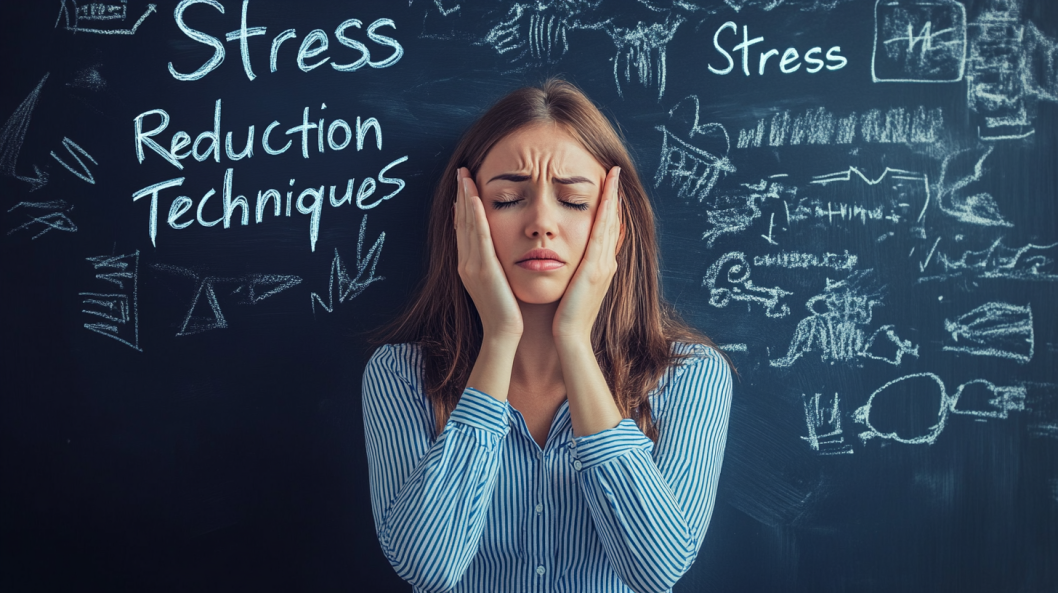
Balancing work demands and personal life can be a major challenge. The modern work environment, characterised by constant connectivity and high expectations, often leads to overwhelming stress. Stress can affect productivity, creativity, and overall well-being if not managed effectively. Fortunately, there are effective techniques to help reduce stress and improve work life. Based on my experience and extensive research, it's clear that effective stress management isn't just a nice-to-have, it's a necessity for thriving in today's demanding work landscape. Implementing proven stress reduction techniques can transform individual well-being and enhance team performance and organisational health. Understanding and applying health and safety practices are crucial because they provide a structured approach to creating a supportive work environment. By integrating these practices, organisations can systematically address stressors, foster a culture of well-being, and ensure that employees are protected and empowered to succeed. Here are some strategies to consider. Prioritise Time Management
Effective time management is crucial for reducing stress. Organising tasks and setting clear priorities can prevent last-minute rushes and missed deadlines. Use tools like planners, to-do lists, and digital calendars to keep track of your responsibilities and allocate time for breaks.
2. Incorporate Regular Breaks
Taking short breaks throughout the day can help refresh your mind and prevent burnout. A five-minute walk, a brief stretch, or a short meditation session can significantly reduce stress and improve focus.
3. Practice Mindfulness and Meditation
Mindfulness and meditation techniques can help calm the mind and reduce stress. Focusing on the present moment allows you to manage your reactions to stressors effectively.
4. Maintain a Healthy Work-Life Balance
Creating boundaries between work and personal life is essential for stress reduction. Avoid checking work emails or taking calls outside of office hours to ensure you have time to relax and engage in personal activities.
5. Engage in Regular Physical Activity
Exercise is a powerful stress reliever. Physical activity releases endorphins, which can improve your mood and reduce anxiety. Aim for at least 30 minutes of moderate exercise most days of the week. The Centers for Disease Control and Prevention (CDC) recommends that adults get at least 150 minutes of moderate-intensity aerobic activity weekly.
6. Nurture Social Connections
Maintaining positive relationships with friends, family, and colleagues can provide emotional support and reduce stress. Make time for social activities and communicate openly about your feelings and challenges.
7. Practice Healthy Eating Habits
Nutrition plays a role in how you feel and cope with stress. A balanced diet of fruits, vegetables, whole grains, and lean proteins can support overall well-being and energy levels.
8. Seek Professional Help if Needed
If stress overwhelms your daily life, consider seeking help from a mental health professional. Therapy and counselling can provide valuable tools and strategies for managing stress and improving overall well-being.
9. Develop a Relaxation Routine
Incorporate relaxation techniques into your daily routine to unwind and de-stress. Activities like reading, listening to music, or bathing can help you relax and recharge.
10. Set Realistic Goals and Expectations
Set achievable goals and avoid overloading yourself with too many tasks. Recognise your limits and be kind to yourself when things are unplanned.
Tip: Celebrate your achievements, no matter how small, and use setbacks as opportunities to learn and grow. Integrating these stress reduction techniques into your daily routine is not merely a recommendation, it's a fundamental shift towards a more balanced and productive work life. Embracing these strategies can lead to profound improvements in personal satisfaction and professional performance. While it may require effort and adjustment, the benefits of reduced stress and enhanced well-being are worth the investment. Taking proactive steps to manage stress fosters a healthier work environment and contributes to a more fulfilling and enjoyable life overall.
Develop your knowledge and practice
Compare qualifications against your responsibilities and experience. Explore the Health & Safety qualifications or ask SHEC about a suitable study route.

Author:
Nigel Lewis BA (Hons) CMIOSH OSHCR PIEMA








Related blogs
 Advice
Asbestos in Construction: What Senior Professionals Must Know
Advice
Manual Handling in Construction: Responsibilities at Every Level

Advice
Risk Assessments and Method Statements: Getting RAMS Right
Advice
Work at Height in Construction: Managing the Risk

Driving Culture and Performance in HS

Education and Training
Strategic Environmental Management – A Key Requirement at Level 7

Near Miss Reporting in Construction

The Competent Person in Construction: More Than a Certificate
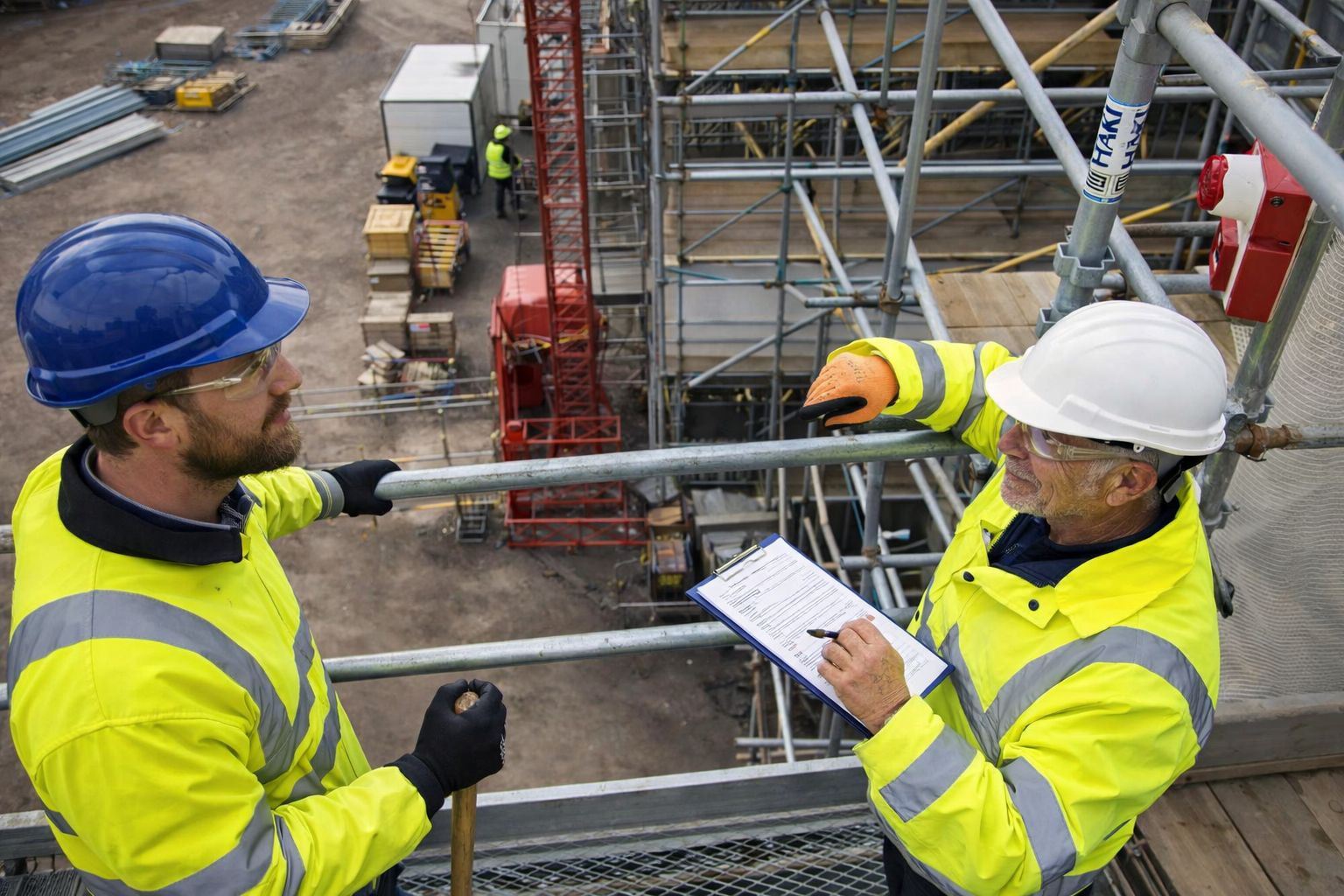
How to Prepare for a HSE Construction Site Inspection

Advice
Understanding CDM 2015: A Practical Guide

2024-06-12 16:20:00Advice
Construction Site Inspections: Why They Matter and What to Expect

Education and Training
How to Apply for a CSCS Card: A Step-by-Step Guide for UK Construction

Education and Training
Does a Leisure Facility Require a Health and Safety Certificate?
Education and Training
Successful Health and Safety Case Studies in the UK Leisure Industry

Education and Training
Training for Health and Safety in Leisure

Education and Training
Health and Safety Training Programs in the Leisure Industry

Preventive Measures
Case Studies on Health and Safety Success in Leisure

Preventive Measures
Health and Safety in Leisure Centre Changing Rooms

Workplace Culture
Health and Safety Procedures in Hotels

Workplace Culture
Health and Safety in a Leisure Centre