

All blogs
The Impact of Diversity on Workplace Safety
Workplace Culture
2025-07-08 15:09:11.426474+00
Author Nigel Lewis BA (Hons) CMIOSH OSHCR PIEMA

Diversity is far more than a buzzword; it is a vital force shaping various aspects of organisational success. Workplace safety is an often-overlooked area where diversity plays a significant role. When an organisation embraces a diverse workforce, it benefits from a broader range of perspectives and experiences, which can lead to more comprehensive safety protocols and solutions. Experts are placing greater emphasis on the connection between diversity and workplace safety. According to a prominent researcher in organisational psychology, integrating diverse viewpoints enhances problem-solving and risk management, resulting in safer work environments. Understanding and implementing safety standards is crucial because they provide a structured framework for identifying and mitigating potential hazards, ensuring compliance with regulations, and protecting employees. By learning and adhering to these standards, organisations can create a more resilient and secure workplace where diverse insights contribute to more comprehensive and effective safety measures. Here's a closer look at how a diverse workforce contributes to a safer and more secure working environment.
1. Broader Perspectives on Risk Assessment
Diverse teams bring together individuals with different backgrounds, experiences, and ways of thinking. This variety can lead to a more comprehensive assessment of risks and hazards. For instance, employees from different cultural backgrounds may identify potential safety issues that others might overlook, thanks to their unique perspectives and experiences. The National Safety Council (NSC) highlights that clear and accessible policies and procedures are crucial for ensuring that organisations effectively safeguard all employees from safety risks. This diverse input helps create a more thorough safety plan, reducing the likelihood of accidents and injuries.
2. Improved Communication and Safety Protocols
Effective communication is critical in ensuring that safety protocols are understood and followed. A diverse workforce often means a variety of communication styles and preferences, which can lead to the development of more inclusive and effective communication strategies. By tailoring safety training and protocols to accommodate different needs, organisations can ensure that all employees are informed and compliant, ultimately enhancing overall safety.
3. Enhanced Problem-Solving and Innovation
Diversity fosters innovation by bringing together varied viewpoints and problem-solving approaches. This innovation can lead to the developing of new safety technologies, processes, and procedures. For example, a diverse team might brainstorm and implement creative solutions to safety challenges that a more homogenous group might not consider. This can result in more effective safety measures and a proactive approach to preventing accidents.
4. Increased Awareness and Sensitivity to Safety Needs
Employees from different backgrounds may have unique safety needs or concerns based on their experiences or cultural practices. A diverse team is more likely to recognise and address these specific needs, creating a more inclusive and safer work environment. This awareness helps customise safety equipment and procedures to cater to the diverse workforce, ensuring everyone is protected.
5. Stronger Team Cohesion and Safety Culture
Diversity can contribute to a stronger and more cohesive team environment. Employees who feel valued and included are more likely to engage actively in safety initiatives and follow protocols. A diverse and inclusive workplace promotes a culture of respect and support, where everyone feels responsible for each other's safety. This collective responsibility enhances overall safety and fosters a positive work culture.
6. Better Compliance with Regulations
Incorporating diverse perspectives can also help organisations comply with safety regulations and standards. By understanding and integrating diverse viewpoints, companies can ensure that their safety practices align with various legal requirements and industry standards. This proactive approach helps avoid regulatory breaches and ensures a safer working environment.
7. Reduction in Safety Incidents and Costs
Ultimately, focusing on diversity can lead to fewer workplace accidents and incidents. Organisations can reduce the frequency of accidents by addressing a more comprehensive range of safety concerns and improving communication. This protects employees and reduces associated costs, such as medical expenses and downtime, contributing to the overall efficiency and profitability of the business.The impact of diversity on workplace safety is profound and multifaceted. By embracing diversity, organisations can benefit from a more comprehensive approach to risk assessment, improved communication, innovative problem-solving, and a stronger safety culture. As workplaces continue to evolve, prioritising diversity fosters a more inclusive environment and enhances the safety and well-being of all employees.
Develop your knowledge and practice
Compare qualifications against your responsibilities and experience. Explore the Health & Safety qualifications or ask SHEC about a suitable study route.

Author:
Nigel Lewis BA (Hons) CMIOSH OSHCR PIEMA








Related blogs
 Advice
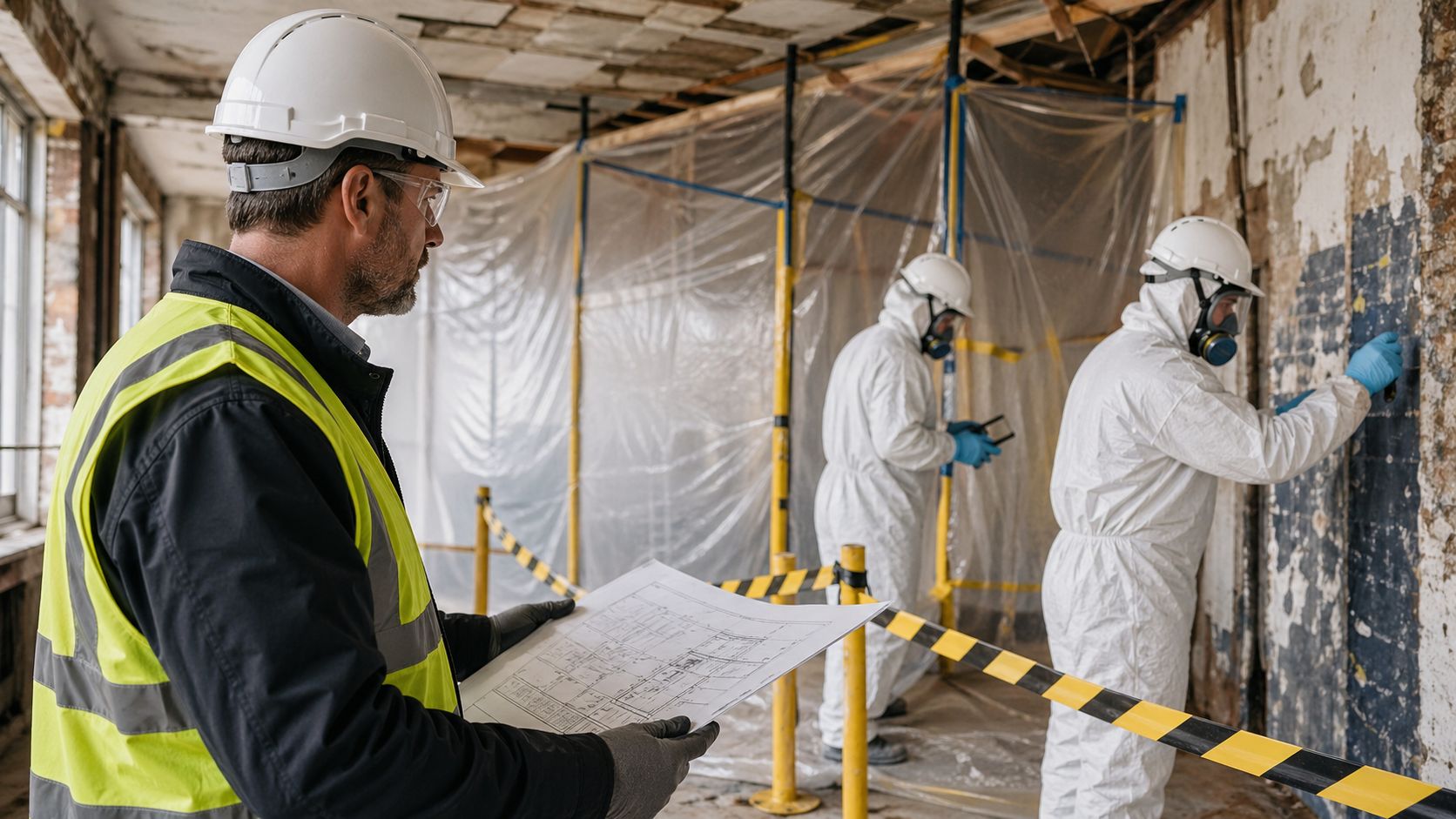
Asbestos in Construction: What Senior Professionals Must Know

Advice
Manual Handling in Construction: Responsibilities at Every Level

Advice
Risk Assessments and Method Statements: Getting RAMS Right

Advice
Work at Height in Construction: Managing the Risk

Driving Culture and Performance in HS
Education and Training
Strategic Environmental Management – A Key Requirement at Level 7
Near Miss Reporting in Construction
The Competent Person in Construction: More Than a Certificate
How to Prepare for a HSE Construction Site Inspection

Advice
Understanding CDM 2015: A Practical Guide

2024-06-12 16:20:00Advice
Construction Site Inspections: Why They Matter and What to Expect

Education and Training
How to Apply for a CSCS Card: A Step-by-Step Guide for UK Construction

Education and Training
Does a Leisure Facility Require a Health and Safety Certificate?

Education and Training
Successful Health and Safety Case Studies in the UK Leisure Industry

Education and Training
Training for Health and Safety in Leisure

Education and Training
Health and Safety Training Programs in the Leisure Industry

Preventive Measures
Case Studies on Health and Safety Success in Leisure

Preventive Measures
Health and Safety in Leisure Centre Changing Rooms

Workplace Culture
Health and Safety Procedures in Hotels
Workplace Culture
Health and Safety in a Leisure Centre