

All blogs
The Importance of Health and Safety in Hotels: A Guide for Hoteliers
2025-07-08 15:09:14.038853+00
Author Nigel Lewis BA (Hons) CMIOSH OSHCR PIEMA
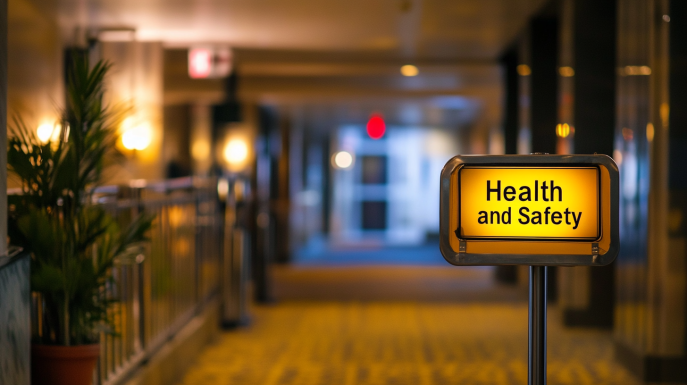
Health and safety are fundamental to any successful business, especially in the hospitality industry. In hotels where guests trust staff to provide a safe and comfortable environment, these practices are critical to maintaining reputation, preventing accidents, and ensuring legal compliance.
Health and safety should never be treated as an afterthought. I believe that a hotel's success relies not just on great service and luxury accommodations but on creating an environment where guests and staff feel safe at all times. Health and safety are paramount, not only for regulatory compliance but also for fostering trust, ensuring guest satisfaction, and protecting the establishment's reputation. Prioritising safety measures is not merely a legal obligation; it's an investment in your business's long-term success.
Why Health and Safety Matter in Hotels
1. Guest Safety Comes First
The primary responsibility of any hotel is to provide a safe environment for its guests. Hotels are often bustling with people, each with varying needs and expectations, which can create hazards if not managed properly. Accidents such as slips, trips, falls, foodborne illnesses, or issues with fire safety can happen at any time, putting guests and staff at risk.
By implementing robust health and safety protocols, such as clear signage for potential hazards, regular maintenance of facilities, and ensuring fire exits are easily accessible, hotels can reduce these risks. This prevents accidents and builds trust with guests who feel confident that their safety is a priority.
The Health and Safety (Safety Signs and Signals) Regulations 1996 require clear and visible safety signage throughout the hotel to warn of potential hazards and provide guidance in an emergency.
2. Employee Protection
Health and safety regulations are not limited to guest welfare; hotel staff must be protected. Employees are exposed to various physical, chemical, and biological hazards daily, whether from heavy lifting, exposure to cleaning chemicals or working in kitchens where equipment can be dangerous.
A strong health and safety plan ensures that staff are well-trained in safe practices, reducing the likelihood of injury. It also ensures that the hotel complies with the UK's Health and Safety at Work Act 1974, which mandates employers to protect their employees from harm. Providing staff with personal protective equipment (PPE) and offering first aid training can further reduce the risk of accidents.
3. Legal Compliance
Hotels must comply with numerous health and safety regulations. In the UK, this includes adherence to the Health and Safety at Work Act, food safety regulations, and fire safety laws, among others. Failing to meet these legal requirements can result in heavy fines, legal action, and even the hotel's closure.
For example, hotels must maintain hygiene standards in guest rooms, public areas, and kitchens to prevent foodborne illnesses and other health risks. Regular internal and external inspections help to ensure compliance and prevent potential issues that could arise from neglect.
4. Preventing Damage to Reputation
The reputation of a hotel can make or break its success. A single incident involving poor health and safety practices, whether a guest suffers an injury, becomes ill, or experiences an emergency, can quickly tarnish a hotel's image. Negative reviews, particularly online, can spread rapidly, making recovery difficult.
Hotels that proactively implement health and safety standards, such as providing transparent information about their protocols, installing visible safety measures, and responding quickly to incidents, will be better equipped to maintain a positive reputation and ensure repeat business.
5. Protecting Financial Stability
Accidents, legal action, and regulatory fines can have a significant financial impact on a hotel. Compensation claims, medical costs, and the loss of business due to a damaged reputation can all hurt a hotel's bottom line. Investing in comprehensive health and safety systems effectively prevents such costs and maintains financial stability.
Hotels that demonstrate a commitment to guest safety and well-being may benefit from insurance discounts and other incentives that can reduce operational costs in the long run.
Key Health and Safety Practices for Hotels
To ensure that health and safety are maintained effectively, hotel owners should implement the following practices:
The importance of health and safety in hotels cannot be overstated. By putting safety at the forefront, hotels safeguard their guests and staff while ensuring adherence to legal requirements, mitigating financial risks, and establishing a positive reputation, and fostering customer loyalty. For hotel owners and operators, adopting a proactive stance on health and safety is crucial, as it guarantees a secure and reassuring environment for all, leading to greater guest satisfaction and confidence.
Develop your knowledge and practice
Compare qualifications against your responsibilities and experience. Explore the Health & Safety qualifications or ask SHEC about a suitable study route.

Author:
Nigel Lewis BA (Hons) CMIOSH OSHCR PIEMA








Related blogs
 Advice
Asbestos in Construction: What Senior Professionals Must Know
Advice
Manual Handling in Construction: Responsibilities at Every Level

Advice
Risk Assessments and Method Statements: Getting RAMS Right
Advice
Work at Height in Construction: Managing the Risk

Driving Culture and Performance in HS

Education and Training
Strategic Environmental Management – A Key Requirement at Level 7
Near Miss Reporting in Construction
The Competent Person in Construction: More Than a Certificate
How to Prepare for a HSE Construction Site Inspection
Advice
Understanding CDM 2015: A Practical Guide

2024-06-12 16:20:00Advice
Construction Site Inspections: Why They Matter and What to Expect

Education and Training
How to Apply for a CSCS Card: A Step-by-Step Guide for UK Construction
Education and Training
Does a Leisure Facility Require a Health and Safety Certificate?
Education and Training
Successful Health and Safety Case Studies in the UK Leisure Industry

Education and Training
Training for Health and Safety in Leisure

Education and Training
Health and Safety Training Programs in the Leisure Industry

Preventive Measures
Case Studies on Health and Safety Success in Leisure
Preventive Measures
Health and Safety in Leisure Centre Changing Rooms
Workplace Culture
Health and Safety Procedures in Hotels
Workplace Culture
Health and Safety in a Leisure Centre