

All blogs
The Importance of HSE Training for Employees
Education and Training
2025-07-08 15:09:10.269929+00
Author Nigel Lewis BA (Hons) CMIOSH OSHCR PIEMA
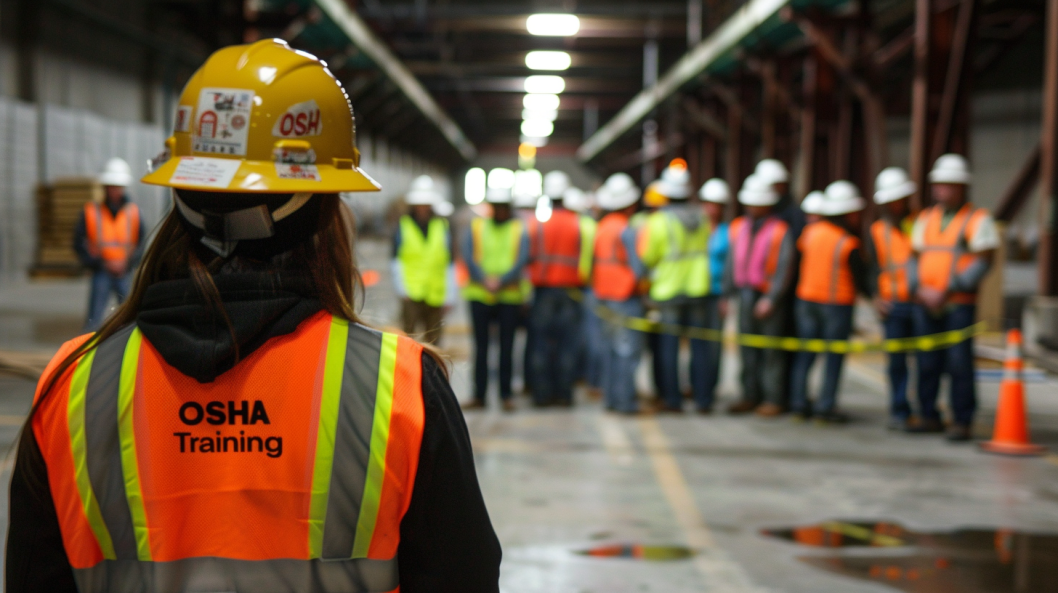
Workplace safety is a vital part of running any successful business. Employers have a duty to protect the health, safety and welfare of their workforce, and effective training plays a major role in achieving this. When employees understand the risks associated with their work and know how to control them properly, organisations are better positioned to prevent accidents, reduce disruption and maintain a safe working environment.
In the UK, workplace health and safety is primarily regulated by the Health and Safety Executive (HSE) under legislation such as the Health and Safety at Work etc. Act 1974. These regulations are designed to ensure employers provide safe systems of work, suitable training, competent supervision and appropriate control measures for workplace hazards.
Health and safety training is essential because it gives employees the knowledge and practical understanding needed to carry out their duties safely and responsibly. Whether working in construction, manufacturing, warehousing, offices or other environments, employees must understand the hazards they may encounter and the procedures in place to protect themselves and others.
A strong approach to health and safety training also helps create a positive workplace culture. When organisations invest in training and competence, employees are more likely to take safety seriously, follow procedures correctly and contribute to improving standards across the business.
What is the HSE?
The Health and Safety Executive (HSE) is the UK’s national regulator for workplace health and safety. The organisation is responsible for enforcing health and safety legislation, providing guidance to employers and employees, and helping businesses manage workplace risks effectively.
The HSE works across a wide range of industries, including construction, manufacturing, engineering, logistics, education and healthcare. Its role includes inspections, investigations, enforcement action and the publication of practical guidance to support compliance.
Why Health and Safety Training is Important
1. Improving Workplace Safety
Health and safety training helps employees identify hazards, understand risks and follow safe working procedures. Proper training reduces unsafe behaviour and helps create a safer environment for everyone on site.
2. Supporting Legal Compliance
UK employers have legal responsibilities under health and safety legislation. Providing suitable information, instruction, and training is a key requirement. Effective training helps businesses demonstrate compliance and reduce the likelihood of enforcement action or prosecution.
3. Reducing Accidents and Injuries
Well-trained employees are less likely to be involved in workplace incidents. Training improves awareness around areas such as manual handling, working at height, equipment use, fire safety and emergency procedures, helping to reduce injuries and near misses.
4. Increasing Employee Confidence and Morale
Employees who feel safe and supported at work are more confident in carrying out their roles. Investing in training shows a commitment to employee welfare, which can improve morale, engagement and overall productivity.
5. Reducing Business Costs
Workplace accidents can result in significant costs through lost productivity, project delays, compensation claims, equipment damage and increased insurance premiums. Preventative training helps minimise these risks and supports smoother business operations.
6. Strengthening Business Reputation
Organisations with strong health and safety standards are often viewed more positively by clients, contractors and employees. A proactive approach to safety demonstrates professionalism, competence and a commitment to high standards.
7. Encouraging Continuous Improvement
Health and safety requirements continue to evolve as industries, technologies and working practices change. Ongoing training helps businesses stay current with legislation, guidance and industry best practice while encouraging continuous improvement across the organisation.
Over the years, I have seen how effective health and safety training can positively influence every part of a business. Organisations that invest in competence, communication and practical training not only protect their workforce but also improve efficiency, strengthen workplace culture and support long-term growth.
A proactive approach to health and safety is not simply about meeting legal obligations. It is about creating safer workplaces, improving operational standards and giving employees the confidence and knowledge they need to work safely every day.
Develop your knowledge and practice
Compare qualifications against your responsibilities and experience. Explore the Health & Safety qualifications or ask SHEC about a suitable study route.

Author:
Nigel Lewis BA (Hons) CMIOSH OSHCR PIEMA








Related blogs
 Advice
Asbestos in Construction: What Senior Professionals Must Know
Advice
Manual Handling in Construction: Responsibilities at Every Level
Advice
Risk Assessments and Method Statements: Getting RAMS Right
Advice
Work at Height in Construction: Managing the Risk

Driving Culture and Performance in HS
Education and Training
Strategic Environmental Management – A Key Requirement at Level 7
Near Miss Reporting in Construction
The Competent Person in Construction: More Than a Certificate
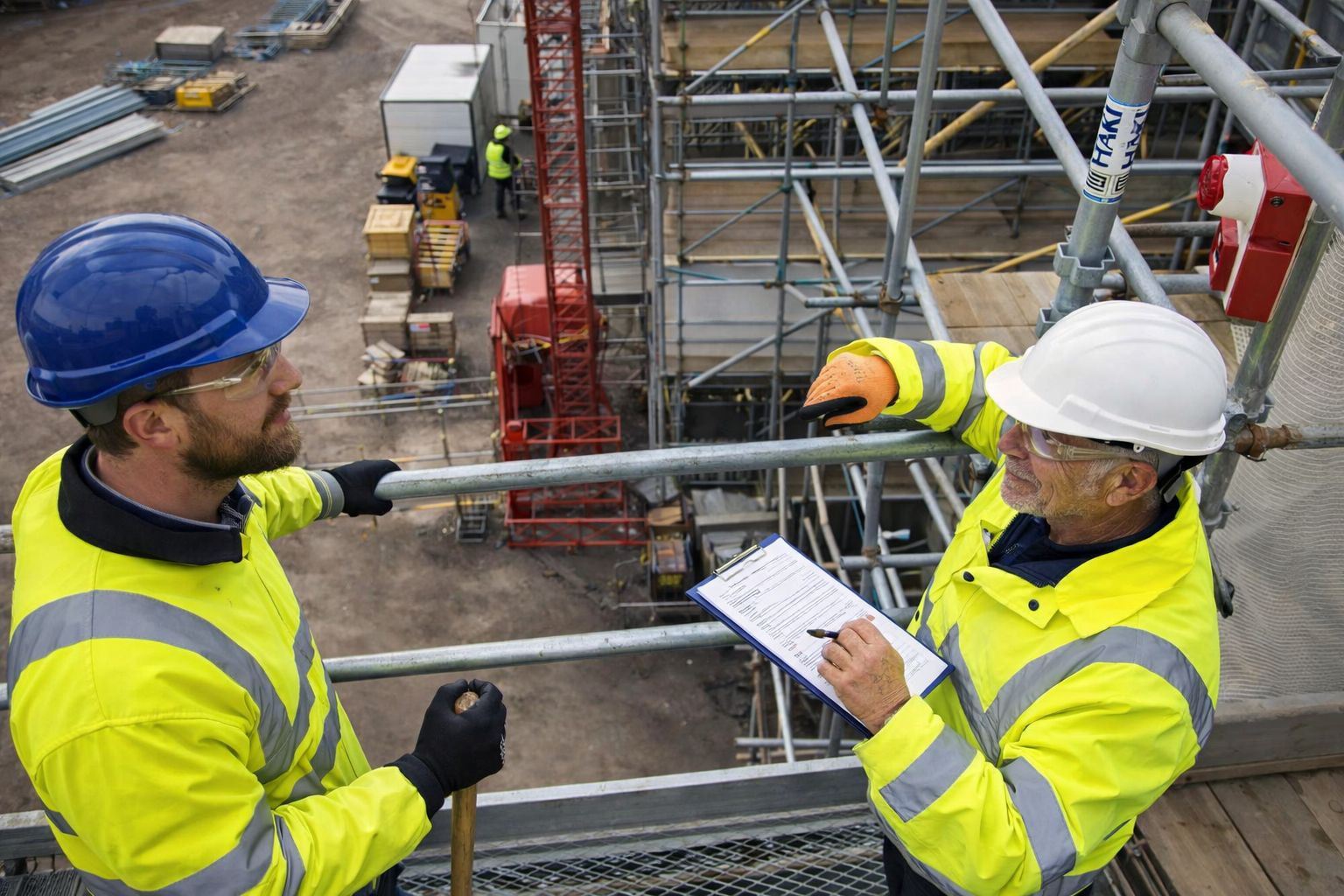
How to Prepare for a HSE Construction Site Inspection
Advice
Understanding CDM 2015: A Practical Guide

2024-06-12 16:20:00Advice
Construction Site Inspections: Why They Matter and What to Expect

Education and Training
How to Apply for a CSCS Card: A Step-by-Step Guide for UK Construction

Education and Training
Does a Leisure Facility Require a Health and Safety Certificate?

Education and Training
Successful Health and Safety Case Studies in the UK Leisure Industry

Education and Training
Training for Health and Safety in Leisure

Education and Training
Health and Safety Training Programs in the Leisure Industry

Preventive Measures
Case Studies on Health and Safety Success in Leisure

Preventive Measures
Health and Safety in Leisure Centre Changing Rooms

Workplace Culture
Health and Safety Procedures in Hotels
Workplace Culture
Health and Safety in a Leisure Centre