

All blogs
The Importance of Occupational Health and Safety in the Construction I
2025-07-08 15:09:10.648826+00
Author Nigel Lewis BA (Hons) CMIOSH OSHCR PIEMA
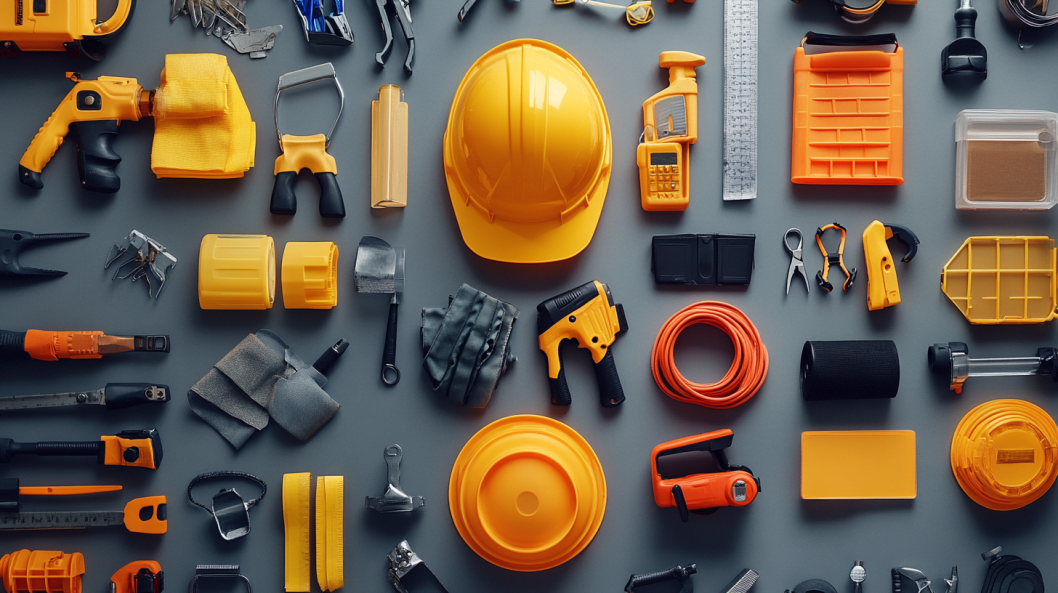
Occupational health and safety (OHS) are not just regulatory requirements but essential elements for ensuring the well-being of workers and the success of projects. The nature of construction work, with its complex and often hazardous conditions, demands an uncompromising approach to safety. The benefits of prioritising OHS are substantial, impacting everything from individual well-being to overall project success.
From an expert perspective, the construction industry stands out as a sector where prioritising health and safety is critical due to its inherently risky nature. Obtaining a Construction NVQ is crucial for professionals in the industry. The NVQ is a comprehensive framework that ensures individuals are familiar with and proficient in the latest health and safety standards and practices. This post will explore why prioritising OHS in construction is a legal obligation and a cornerstone of operational excellence.
Protecting Workers from Risks
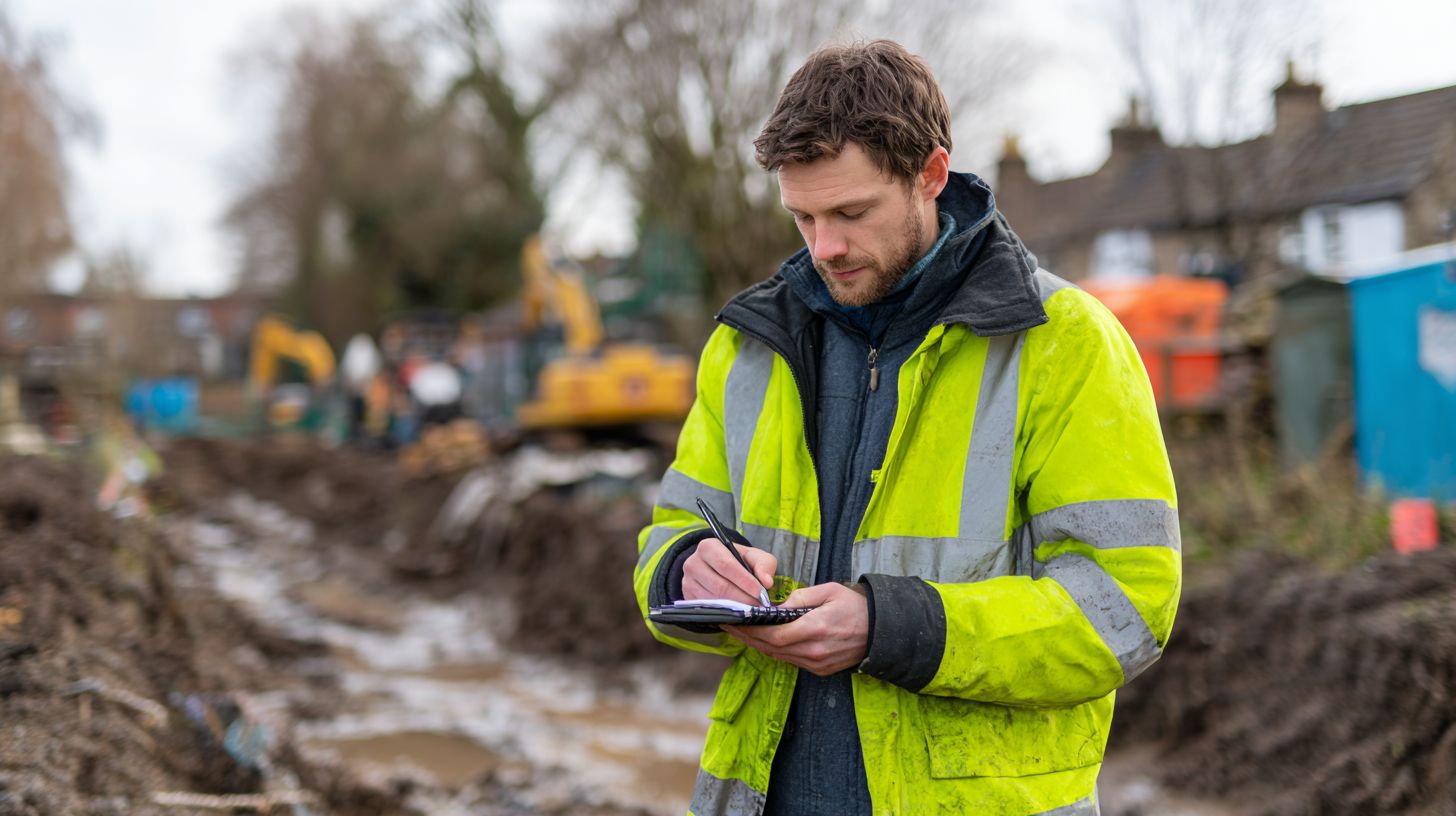
Construction sites are inherently hazardous environments, and health and safety in construction are crucial for mitigating these risks. The dangers range from falls from scaffolding and cranes to injuries from heavy equipment. Stringent OHS measures are key in protecting workers from potentially life-threatening accidents. Adhering to safety protocols, such as using personal protective equipment (PPE) and ensuring proper training, can significantly reduce the likelihood of accidents.
Compliance with Legal Requirements
The UK has comprehensive health and safety legislation, including the Health and Safety at Work Act 1974 and the Construction (Design and Management) Regulations 2015. These laws mandate that employers provide a safe working environment. Non-compliance can result in severe penalties, including fines and imprisonment. Ensuring that all safety standards are met avoids legal repercussions and fosters a culture of safety that benefits everyone involved.
Enhancing Productivity
A safe work environment directly impacts productivity. Accidents and injuries can lead to downtime, delays, and increased costs. Construction firms can minimise disruptions and maintain project timelines by investing in OHS. A well-implemented health and safety strategy creates a more efficient worksite where employees are focused and less likely to suffer work-related illnesses or injuries.
Building a Positive Safety Culture
An emphasis on health and safety fosters a culture of care and responsibility within the workforce. When management demonstrates a commitment to safety, it sets a standard for employees. This improves morale and encourages workers to take an active role in maintaining a safe work environment. Regular safety briefings, continuous training, and open communication channels about safety concerns contribute to this culture.
Reducing Costs and Improving Financial Performance
Investing in health and safety is a financially prudent decision. While upfront costs are associated with implementing safety measures, the long-term savings are substantial. Fewer accidents mean lower insurance premiums, reduced legal fees, and less expenditure on compensation claims. Moreover, a strong safety record can enhance a company’s reputation, attracting more clients and projects.
Continuous Improvement
Health and safety in construction is not a static field but one that evolves with new technologies and methodologies. Regularly reviewing and updating safety protocols, conducting risk assessments, and staying informed about industry best practices ensure that safety measures remain effective. Encouraging worker feedback and conducting incident analyses can provide valuable insights for continual improvement.
I firmly believe that the construction industry must embrace an unwavering commitment to health and safety in construction as a cornerstone of operational excellence. The impact of robust safety practices extends beyond regulatory compliance—it shapes the essence of a productive, efficient, and morally responsible work environment.
Develop your knowledge and practice
Choose by your actual construction occupation and the evidence you can provide. Explore the Construction qualifications and CSCS pathways or ask SHEC about a suitable study route.

Author:
Nigel Lewis BA (Hons) CMIOSH OSHCR PIEMA








Related blogs
 Advice
Asbestos in Construction: What Senior Professionals Must Know
Advice
Manual Handling in Construction: Responsibilities at Every Level

Advice
Risk Assessments and Method Statements: Getting RAMS Right
Advice
Work at Height in Construction: Managing the Risk

Driving Culture and Performance in HS
Education and Training
Strategic Environmental Management – A Key Requirement at Level 7
Near Miss Reporting in Construction
The Competent Person in Construction: More Than a Certificate
How to Prepare for a HSE Construction Site Inspection
Advice
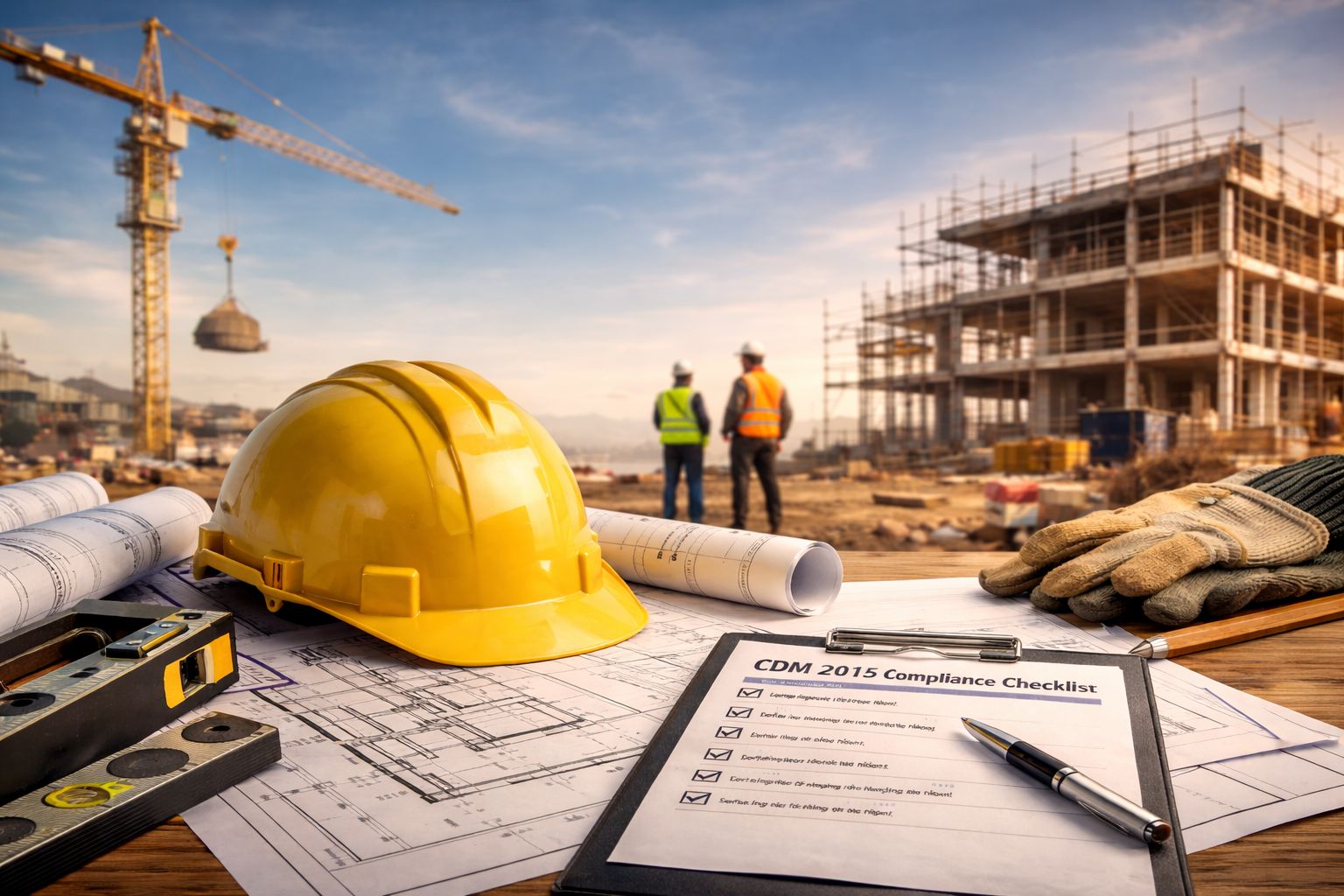
Understanding CDM 2015: A Practical Guide

2024-06-12 16:20:00Advice
Construction Site Inspections: Why They Matter and What to Expect

Education and Training
How to Apply for a CSCS Card: A Step-by-Step Guide for UK Construction

Education and Training
Does a Leisure Facility Require a Health and Safety Certificate?

Education and Training
Successful Health and Safety Case Studies in the UK Leisure Industry

Education and Training
Training for Health and Safety in Leisure

Education and Training
Health and Safety Training Programs in the Leisure Industry

Preventive Measures
Case Studies on Health and Safety Success in Leisure

Preventive Measures
Health and Safety in Leisure Centre Changing Rooms

Workplace Culture
Health and Safety Procedures in Hotels
Workplace Culture
Health and Safety in a Leisure Centre