

All blogs
Health Screenings in Early Detection of Work-Related Illness
2025-07-08 15:09:11.753129+00
Author Nigel Lewis BA (Hons) CMIOSH OSHCR PIEMA
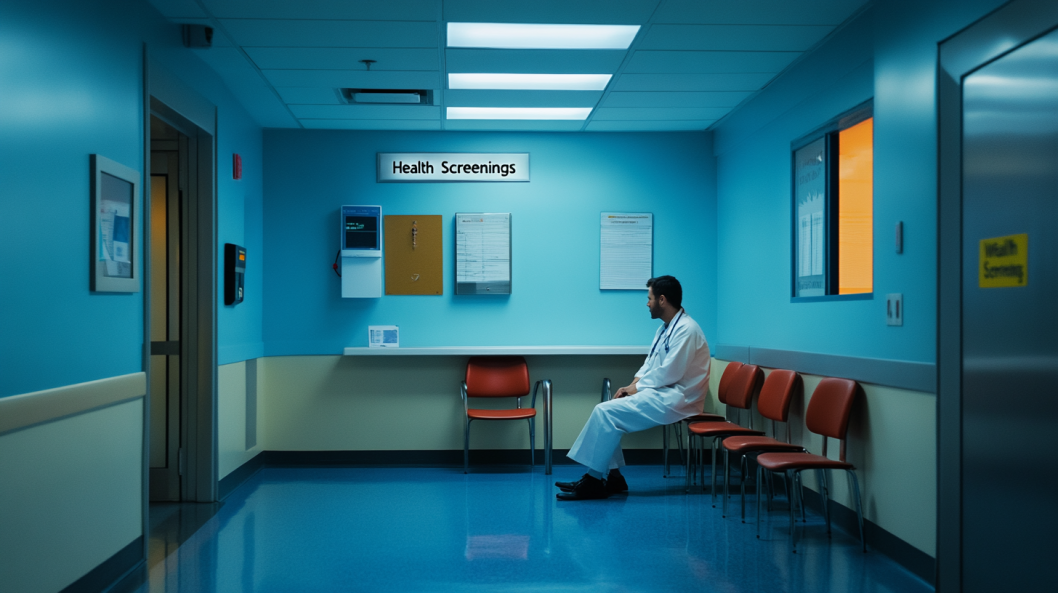
Health screenings are vital tools for early detection and management of work-related illnesses. By identifying potential health issues early, these programs safeguard employees' health and enhance workplace productivity, reduce absenteeism, and boost morale. Employers must prioritise implementing effective screening programmes, recognising the long-term benefits they bring to employees and the organisation. From my perspective, the importance of health screenings in the workplace cannot be overstated. Health screenings are a cornerstone of a thriving workplace, driving individual well-being, collective productivity, and morale when implemented effectively. Learning compliance regulations is crucial because these regulations provide the framework and legal requirements that ensure health screenings are conducted properly and effectively. Understanding these regulations helps organisations implement health screening programs that meet legal standards, thereby protecting employees and avoiding potential legal and financial repercussions. Let's explore why these screenings are important and how they can make a difference.
Understanding Work-Related Illnesses
Work-related illnesses are health problems caused or aggravated by workplace conditions or practices. They can range from respiratory issues due to exposure to harmful chemicals to musculoskeletal disorders from repetitive strain or mental health issues stemming from high stress levels. According to the U.S. Bureau of Labor Statistics (BLS), nearly 2.8 million nonfatal workplace injuries and illnesses were reported in 2022, highlighting the importance of early detection.
The Importance of Early Detection
Types of Health Screenings
Implementing an Effective Screening Program
Education and Awareness: Promote the importance of health screenings and encourage employees to participate. Provide information on how screenings can benefit their health and well-being.
Regular Schedule: Set a schedule for regular health screenings to ensure employees receive timely evaluations. The frequency may vary depending on the nature of the work and associated risks.
Confidentiality: Ensure that all health information is handled with the utmost confidentiality to protect employee privacy and encourage participation.
Follow-Up: Establish a protocol for follow-up care. If a screening identifies potential issues, ensure employees can access appropriate medical resources and support.Health screenings are a critical component of workplace wellness programs. Organisations can enhance employee health, reduce absenteeism, and improve overall productivity by prioritising early detection of work-related illnesses. Regular health screenings enable the timely identification of potential health issues and foster a proactive approach to wellness that benefits both employees and the organisation. Investing in regular health screenings is a commitment to employee well-being and a strategic move towards a healthier, more efficient workplace.
Develop your knowledge and practice
Compare qualifications against your responsibilities and experience. Explore the Health & Safety qualifications or ask SHEC about a suitable study route.

Author:
Nigel Lewis BA (Hons) CMIOSH OSHCR PIEMA








Related blogs
 Advice
Asbestos in Construction: What Senior Professionals Must Know
Advice
Manual Handling in Construction: Responsibilities at Every Level

Advice
Risk Assessments and Method Statements: Getting RAMS Right

Advice
Work at Height in Construction: Managing the Risk

Driving Culture and Performance in HS
Education and Training
Strategic Environmental Management – A Key Requirement at Level 7
Near Miss Reporting in Construction
The Competent Person in Construction: More Than a Certificate
How to Prepare for a HSE Construction Site Inspection

Advice
Understanding CDM 2015: A Practical Guide

2024-06-12 16:20:00Advice
Construction Site Inspections: Why They Matter and What to Expect

Education and Training
How to Apply for a CSCS Card: A Step-by-Step Guide for UK Construction

Education and Training
Does a Leisure Facility Require a Health and Safety Certificate?
Education and Training
Successful Health and Safety Case Studies in the UK Leisure Industry

Education and Training
Training for Health and Safety in Leisure

Education and Training
Health and Safety Training Programs in the Leisure Industry

Preventive Measures
Case Studies on Health and Safety Success in Leisure
Preventive Measures
Health and Safety in Leisure Centre Changing Rooms

Workplace Culture
Health and Safety Procedures in Hotels
Workplace Culture
Health and Safety in a Leisure Centre