

All blogs
The Ultimate Guide to Personal Protective Equipment (PPE)
2025-07-08 15:09:07.949509+00
Author Nigel Lewis BA (Hons) CMIOSH OSHCR PIEMA
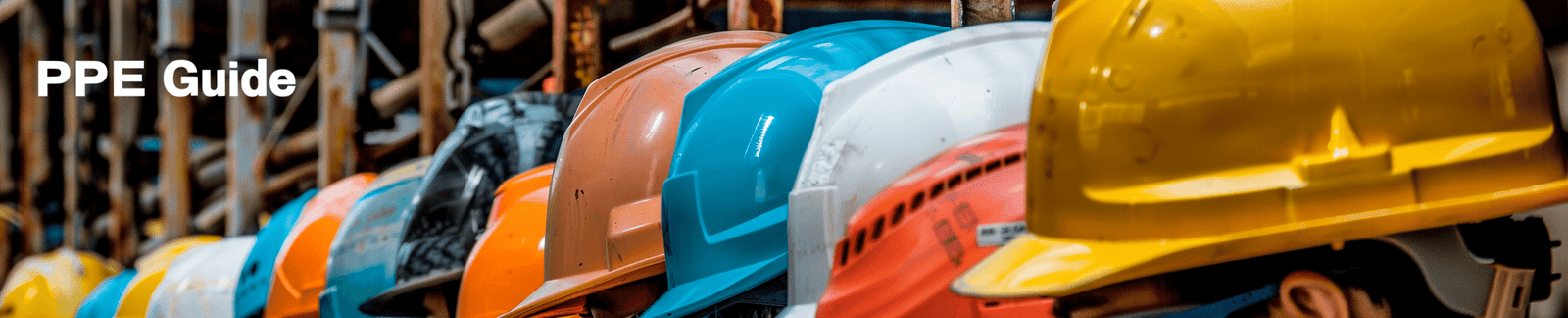
Personal Protective Equipment (PPE) ensures safety across various industries and situations. PPE is the first defence against potential hazards from construction sites to healthcare settings.
When it comes to safety, there's no room for compromise. In my opinion, Personal Protective Equipment (PPE) is one of the most underrated yet vital aspects of workplace safety. It’s not just a box to tick for compliance—it’s a lifeline. Whether you are in a high-risk industry like construction or healthcare or simply working in an environment with potential hazards, PPE should be regarded as a cornerstone of personal and professional safety.
What is PPE?
PPE refers to specialised clothing or equipment that protects individuals from health and safety risks. Common examples include helmets, gloves, goggles, earplugs, respirators, and full-body suits. The purpose of PPE is to minimise exposure to hazards that can cause injuries, illnesses, or fatalities.
Importance of PPE
Using PPE correctly can significantly reduce the risk of accidents and injuries. It acts as a barrier between the individual and potential hazards such as:
Compliance with PPE regulations ensures safety and helps organisations meet legal requirements and avoid costly penalties.
Understanding PPE Regulations
In the UK, PPE use is primarily regulated by the Personal Protective Equipment Regulations 1992 (as amended). These regulations ensure that PPE provided to workers complies with essential health and safety requirements and meets appropriate European standards.
• These regulations outline the legal requirements for using PPE in the workplace.
• Employers are required to provide suitable PPE to employees who may be exposed to risks that cannot be adequately controlled by other means.
• PPE must be appropriate for the risks involved and the conditions present at the workplace.
• Employers are responsible for ensuring that PPE is properly maintained and stored and that employees are trained on its correct use.
• Employees must use PPE correctly and report any defects or issues with their equipment.
Types of PPE
Selecting the Right PPE
Choosing the appropriate PPE requires a thorough hazard assessment of the workplace. Consider the following steps:
Proper Use and Maintenance of PPE
Replacement: Replace damaged or expired PPE promptly.
Training: Ensure all users understand how to wear and use PPE correctly.
Inspection: Regularly check PPE for wear and tear.
Cleaning: Follow manufacturer guidelines to clean and disinfect reusable PPE.
PPE is a critical component of workplace safety. By understanding its importance, selecting the right equipment, and ensuring proper use and maintenance, individuals and organisations can significantly reduce risks and promote a safety culture. Always remember: safety is not just a priority—it’s a responsibility.
Develop your knowledge and practice
Compare qualifications against your responsibilities and experience. Explore the Health & Safety qualifications or ask SHEC about a suitable study route.

Author:
Nigel Lewis BA (Hons) CMIOSH OSHCR PIEMA








Related blogs
 Advice
Asbestos in Construction: What Senior Professionals Must Know
Advice
Manual Handling in Construction: Responsibilities at Every Level

Advice
Risk Assessments and Method Statements: Getting RAMS Right

Advice
Work at Height in Construction: Managing the Risk

Driving Culture and Performance in HS
Education and Training
Strategic Environmental Management – A Key Requirement at Level 7
Near Miss Reporting in Construction
The Competent Person in Construction: More Than a Certificate
How to Prepare for a HSE Construction Site Inspection
Advice
Understanding CDM 2015: A Practical Guide

2024-06-12 16:20:00Advice
Construction Site Inspections: Why They Matter and What to Expect

Education and Training
How to Apply for a CSCS Card: A Step-by-Step Guide for UK Construction

Education and Training
Does a Leisure Facility Require a Health and Safety Certificate?
Education and Training
Successful Health and Safety Case Studies in the UK Leisure Industry

Education and Training
Training for Health and Safety in Leisure

Education and Training
Health and Safety Training Programs in the Leisure Industry

Preventive Measures
Case Studies on Health and Safety Success in Leisure

Preventive Measures
Health and Safety in Leisure Centre Changing Rooms

Workplace Culture
Health and Safety Procedures in Hotels
Workplace Culture
Health and Safety in a Leisure Centre