

All blogs
Training and Education for Health and Safety in the Hospitality Indust
Education and Training
2025-07-08 15:09:10.747446+00
Author Nigel Lewis BA (Hons) CMIOSH OSHCR PIEMA

Ensuring a safe and healthy working environment is crucial in the hospitality industry, where the pace and demands are fast. Proper training and education in health and safety safeguard employees and enhance guest satisfaction and operational efficiency. By embedding safety into every aspect of your operations, you protect your team and guests and set a benchmark for excellence in the hospitality sector.
In my view, the businesses that excel view health and safety not as a tick-box exercise but as an integral part of their organisational culture. The hospitality sector, with its dynamic environment and high guest interaction, demands a proactive approach to health and safety. Investing in comprehensive training and education for your team is not merely about compliance; it's about cultivating a workplace where safety is woven into the fabric of daily operations, ultimately leading to improved employee morale and guest satisfaction. Here's a comprehensive overview of how effective training and education can fortify health and safety practices within the hospitality sector.
1. Understanding Legal Requirements
Health and safety regulations in the UK are stringent and cover various aspects of workplace safety. Hospitality businesses must comply with the Health and Safety at Work Act 1974 and other relevant legislation, such as the Management of Health and Safety at Work Regulations 1999. Comprehensive training should encompass these legal requirements, ensuring that all staff know their responsibilities and the measures they must take to adhere to these laws.
2. Implementing Tailored Training Programmes
One size does not fit all regarding health and safety training. Hospitality businesses should develop tailored programmes that address specific risks associated with their operations. For example, food hygiene and safety training is crucial for kitchen staff, while front-of-house employees might need training on manual handling and emergency procedures. Tailored training ensures that staff are well-prepared to handle the unique challenges of their roles.
3. Fostering a Culture of Safety
Training and education should not be a one-off event but an ongoing process. Regular refresher courses and updates on new health and safety practices are essential. Creating a culture where safety is ingrained in everyday operations involves encouraging open communication about health and safety issues and recognising staff who actively contribute to maintaining a safe environment.
4. Utilising Modern Training Tools
The use of modern training tools can greatly enhance the learning experience. Interactive e-learning modules, virtual reality scenarios, and simulation-based training can provide practical, hands-on experience without the associated risks. These tools can help staff better understand and retain safety procedures, which are particularly useful in high-pressure environments.
5. Monitoring and Evaluating Effectiveness
It’s vital to monitor the effectiveness of health and safety training programmes. Regular assessments, feedback from staff, and health and safety audits can help identify areas for improvement. By evaluating the impact of training, businesses can make necessary adjustments to ensure continuous improvement and adherence to safety standards.
6. Engaging Leadership
Effective health and safety training starts at the top. Leadership should actively participate in training programmes and demonstrate a commitment to health and safety. Their engagement sets a positive example and reinforces the importance of safety throughout the organisation.
7. Providing Support and Resources
Ensure staff access to the necessary resources to effectively implement health and safety practices. This includes clear signage, safety equipment, and up-to-date information on safety procedures. Support from management is also crucial in addressing any safety concerns and ensuring that staff feel confident in their ability to adhere to safety protocols.
The commitment to ongoing health and safety training in the hospitality industry should be viewed as a strategic investment rather than a compliance obligation. From my expert point of view, businesses that integrate robust safety practices into their daily operations protect employees and guests and establish themselves as leaders in industry excellence. A well-trained team, equipped with up-to-date safety knowledge and tools, is better prepared to navigate the ever-evolving challenges of the hospitality sector. This proactive approach fosters trust, enhances operational resilience, and paves the way for sustained success in a competitive landscape.
Develop your knowledge and practice
Compare qualifications against your responsibilities and experience. Explore the Health & Safety qualifications or ask SHEC about a suitable study route.

Author:
Nigel Lewis BA (Hons) CMIOSH OSHCR PIEMA








Related blogs
 Advice
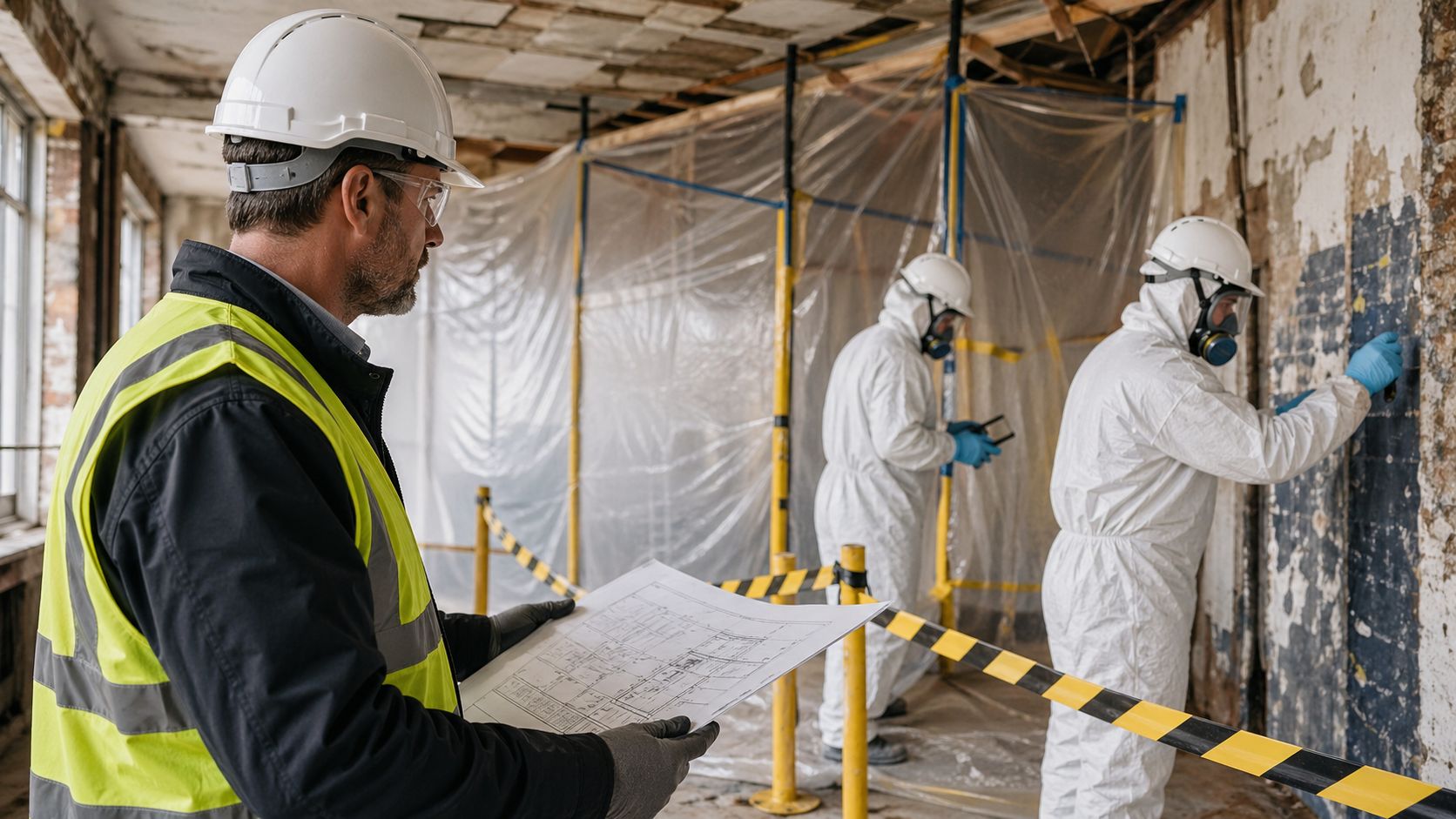
Asbestos in Construction: What Senior Professionals Must Know

Advice
Manual Handling in Construction: Responsibilities at Every Level

Advice
Risk Assessments and Method Statements: Getting RAMS Right

Advice
Work at Height in Construction: Managing the Risk

Driving Culture and Performance in HS
Education and Training
Strategic Environmental Management – A Key Requirement at Level 7
Near Miss Reporting in Construction
The Competent Person in Construction: More Than a Certificate
How to Prepare for a HSE Construction Site Inspection
Advice
Understanding CDM 2015: A Practical Guide

2024-06-12 16:20:00Advice
Construction Site Inspections: Why They Matter and What to Expect

Education and Training
How to Apply for a CSCS Card: A Step-by-Step Guide for UK Construction

Education and Training
Does a Leisure Facility Require a Health and Safety Certificate?
Education and Training
Successful Health and Safety Case Studies in the UK Leisure Industry

Education and Training
Training for Health and Safety in Leisure

Education and Training
Health and Safety Training Programs in the Leisure Industry

Preventive Measures
Case Studies on Health and Safety Success in Leisure

Preventive Measures
Health and Safety in Leisure Centre Changing Rooms

Workplace Culture
Health and Safety Procedures in Hotels
Workplace Culture
Health and Safety in a Leisure Centre