

All blogs
What Are the Effects of Environmental Factors on Health Concerns?
2025-07-08 15:09:10.098968+00
Author Nigel Lewis BA (Hons) CMIOSH OSHCR PIEMA
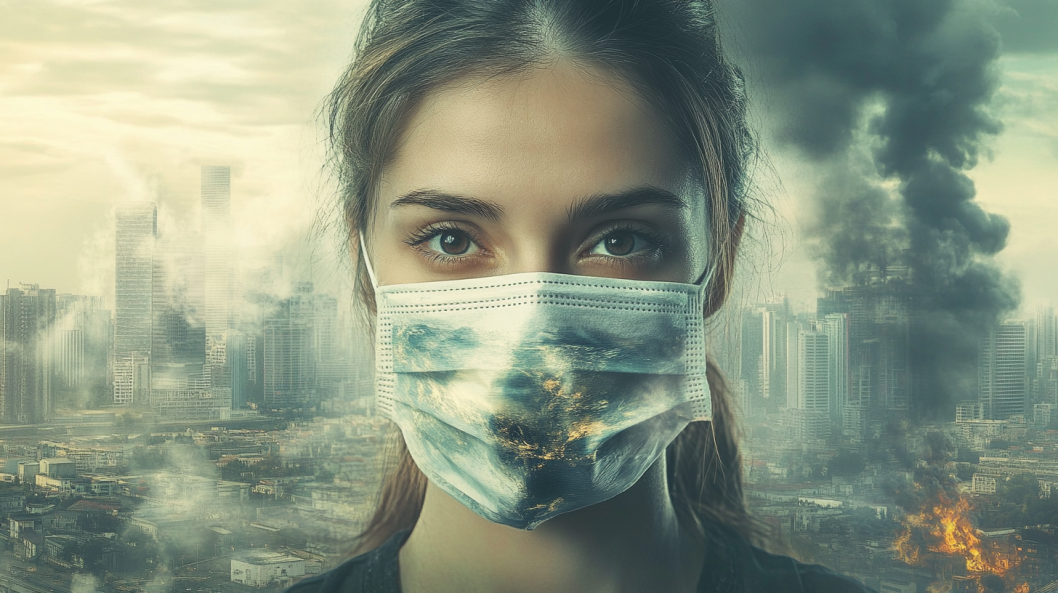
Environmental factors play a critical role in shaping our health and well-being. Understanding the interplay between environmental factors and health concerns is paramount in our increasingly industrialised world. Environmental elements—from air quality to noise pollution—significantly impact our well-being.As an expert in health and safety, I am increasingly concerned about environmental factors' profound influence on our health. The interconnectedness of our environment and well-being is often underestimated, yet it is a critical area that demands our attention. Every element of our environment determines our overall health outcomes, from the air we breathe to the water we drink. Learning and adhering to health and safety regulations is essential because these regulations are designed to address and mitigate the risks associated with environmental hazards.
Environmental Protection Act of 1990 underscores the legal framework designed to mitigate environmental risks and safeguard public health by enhancing pollution control measures for various industrial and other processes. Understanding these effects is not just an academic exercise; it is a pressing necessity for developing effective strategies to safeguard public health and improve quality of life.
1. Air Quality
Poor air quality is one of the most significant environmental factors affecting health. Pollutants such as particulate matter (PM2.5 and PM10), nitrogen dioxide (NO2), and sulphur dioxide (SO2) can lead to respiratory problems and cardiovascular diseases and exacerbate pre-existing conditions such as asthma and chronic bronchitis. Long-term exposure to these pollutants can also reduce life expectancy. Monitoring air quality and minimising exposure, particularly in urban areas, is vital for maintaining respiratory health.
2. Water Quality
Contaminated water can be a source of numerous health issues, ranging from gastrointestinal infections to chronic diseases. Pollutants such as heavy metals, pesticides, and pathogens can enter drinking water sources and pose serious health risks. Ensuring access to clean, safe drinking water and advocating for stringent water quality regulations are essential for public health.
3. Climate Change
Climate change has far-reaching effects on health, influencing everything from the spread of infectious diseases to the frequency of extreme weather events. Rising temperatures can increase the prevalence of heat-related illnesses and exacerbate existing health conditions. Additionally, climate change can affect vector-borne diseases by altering the habitats of insects such as mosquitoes, potentially increasing the spread of diseases like malaria and dengue fever.
4. Noise Pollution
Excessive noise can negatively impact mental and physical health. Long-term exposure to high noise levels increases the risk of cardiovascular diseases, stress, and sleep disturbances. Implementing noise reduction strategies in urban planning and protecting noise-sensitive areas can help mitigate these health risks.
5. Green Spaces
Conversely, access to green spaces and natural environments has been shown to have numerous health benefits. Regular interaction with nature can reduce stress, improve mental health, and encourage physical activity. Promoting developing and maintaining parks and green spaces within urban areas benefits overall community health.
6. Chemical Exposure
Exposure to hazardous chemicals, whether through industrial activities or everyday products, can harm health. Chemicals such as pesticides, heavy metals, and industrial pollutants can lead to chronic health conditions and environmental degradation. Adopting safer chemical practices and supporting regulatory measures to limit exposure is crucial for reducing health risks.
Mitigating Environmental Health Risks
To mitigate the impact of environmental factors on health, it is essential to:
In my opinion, the time for passive observation has ended; now is the time for decisive, proactive engagement. The intersection of environmental factors and health is not just an issue of scientific interest but a critical public health challenge that demands immediate action. By comprehensively understanding and actively addressing these ecological factors, we can work towards a healthier, more sustainable future for all.
Develop your knowledge and practice
Compare qualification routes for environmental and sustainability responsibilities. Explore the Environmental Management qualifications or ask SHEC about a suitable study route.

Author:
Nigel Lewis BA (Hons) CMIOSH OSHCR PIEMA








Related blogs

 Advice
Asbestos in Construction: What Senior Professionals Must Know

Advice
Manual Handling in Construction: Responsibilities at Every Level

Advice
Risk Assessments and Method Statements: Getting RAMS Right

Advice
Work at Height in Construction: Managing the Risk

Driving Culture and Performance in HS

Education and Training
Strategic Environmental Management – A Key Requirement at Level 7

Near Miss Reporting in Construction

The Competent Person in Construction: More Than a Certificate

How to Prepare for a HSE Construction Site Inspection

Advice
Understanding CDM 2015: A Practical Guide

2024-06-12 16:20:00Advice
Construction Site Inspections: Why They Matter and What to Expect

Education and Training
How to Apply for a CSCS Card: A Step-by-Step Guide for UK Construction

Education and Training
Does a Leisure Facility Require a Health and Safety Certificate?

Education and Training
Successful Health and Safety Case Studies in the UK Leisure Industry

Education and Training
Training for Health and Safety in Leisure

Education and Training
Health and Safety Training Programs in the Leisure Industry

Preventive Measures
Case Studies on Health and Safety Success in Leisure

Preventive Measures
Health and Safety in Leisure Centre Changing Rooms

Workplace Culture
Health and Safety Procedures in Hotels

Workplace Culture
Health and Safety in a Leisure Centre