

All blogs
What are the Most Common Hazards and Risks Faced by Construction Worke
2025-07-08 15:09:10.551397+00
Author Nigel Lewis BA (Hons) CMIOSH OSHCR PIEMA
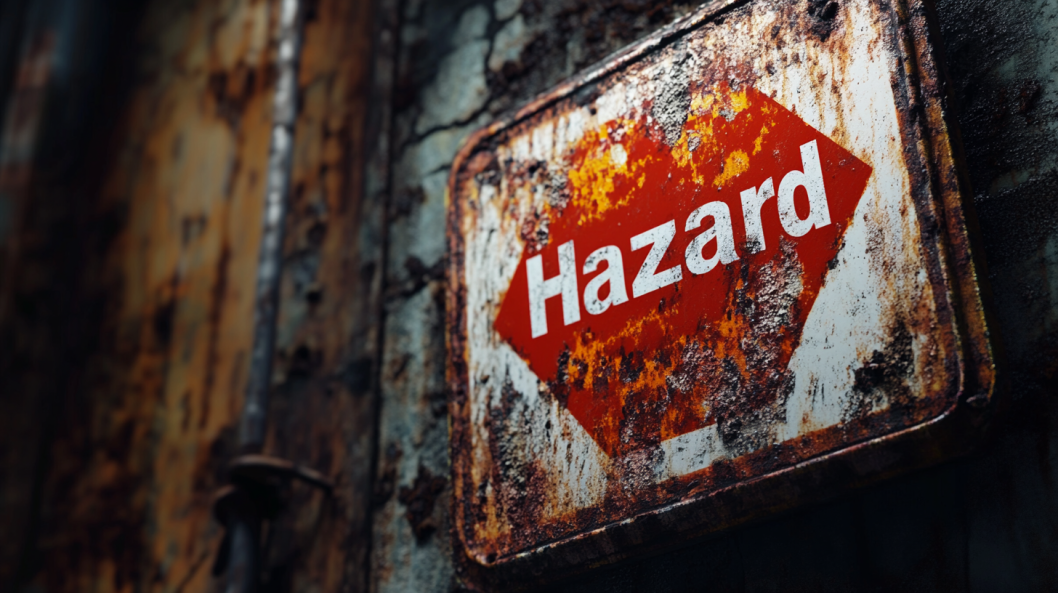
Construction work is among the most demanding and hazardous professions in the UK. Despite significant advances in health and safety regulations and practices, construction sites continue to be fraught with risks. Understanding these hazards is crucial for protecting workers and maintaining a safe work environment.
From my perspective as a health and safety expert, it's clear that the construction industry faces ongoing challenges, despite advancements in safety technology and regulations. Construction site hazards are a persistent concern in the sector, encompassing a range of risks, from falls to equipment malfunctions. This is where the construction certification becomes essential. It ensures that professionals in the industry are not only aware of safety protocols but are also trained in the practical application of these standards. It provides a structured framework for continuous learning and competency, equipping workers with the skills to proactively manage risks and protect themselves and their colleagues from pervasive threats.
According to the Construction (Design and Management) Regulations 2015 (UK), all construction professionals must possess adequate training and qualifications to manage health and safety on site effectively. The Construction NVQ aligns with these legal requirements by ensuring that professionals are adequately trained and assessed to meet these standards. Below, we explore the most common hazards and risks encountered by construction workers in the UK.
1. Falls from Height
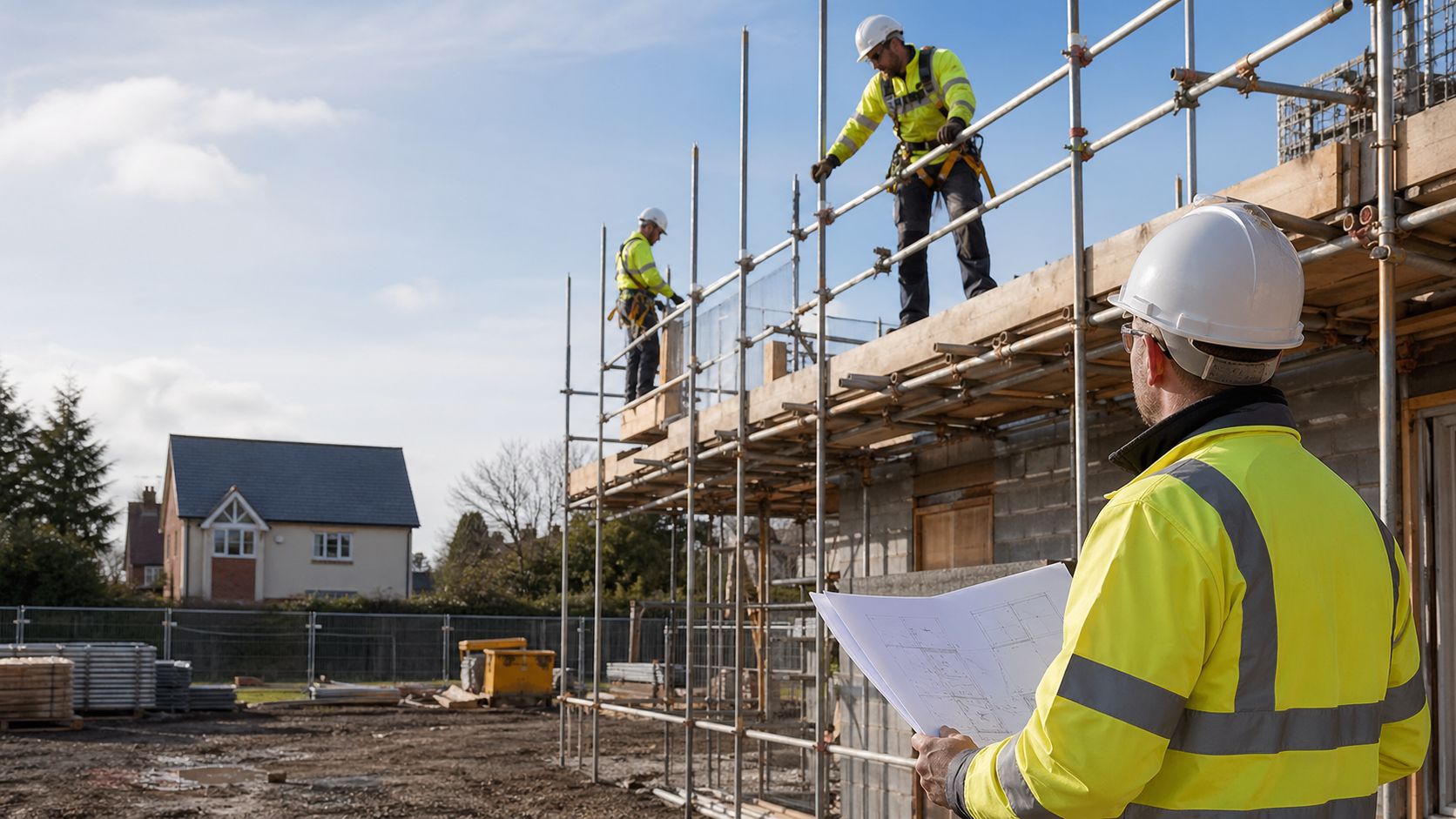
Falls from height are one of the leading causes of serious injury and fatalities in construction. The risk of falling remains significant, whether working on scaffolding, ladders, or roofs. Employers must ensure that appropriate fall protection measures are in place, including the use of safety harnesses, guardrails, and proper training on working at heights.
2. Falling Objects
Construction sites often involve the use of heavy materials and tools. Objects such as tools, bricks, and equipment can fall from height and cause injury if proper precautions are not taken. Ensuring that all materials and tools are secured and that protective headgear is worn can help mitigate this risk.
3. Exposure to Hazardous Substances
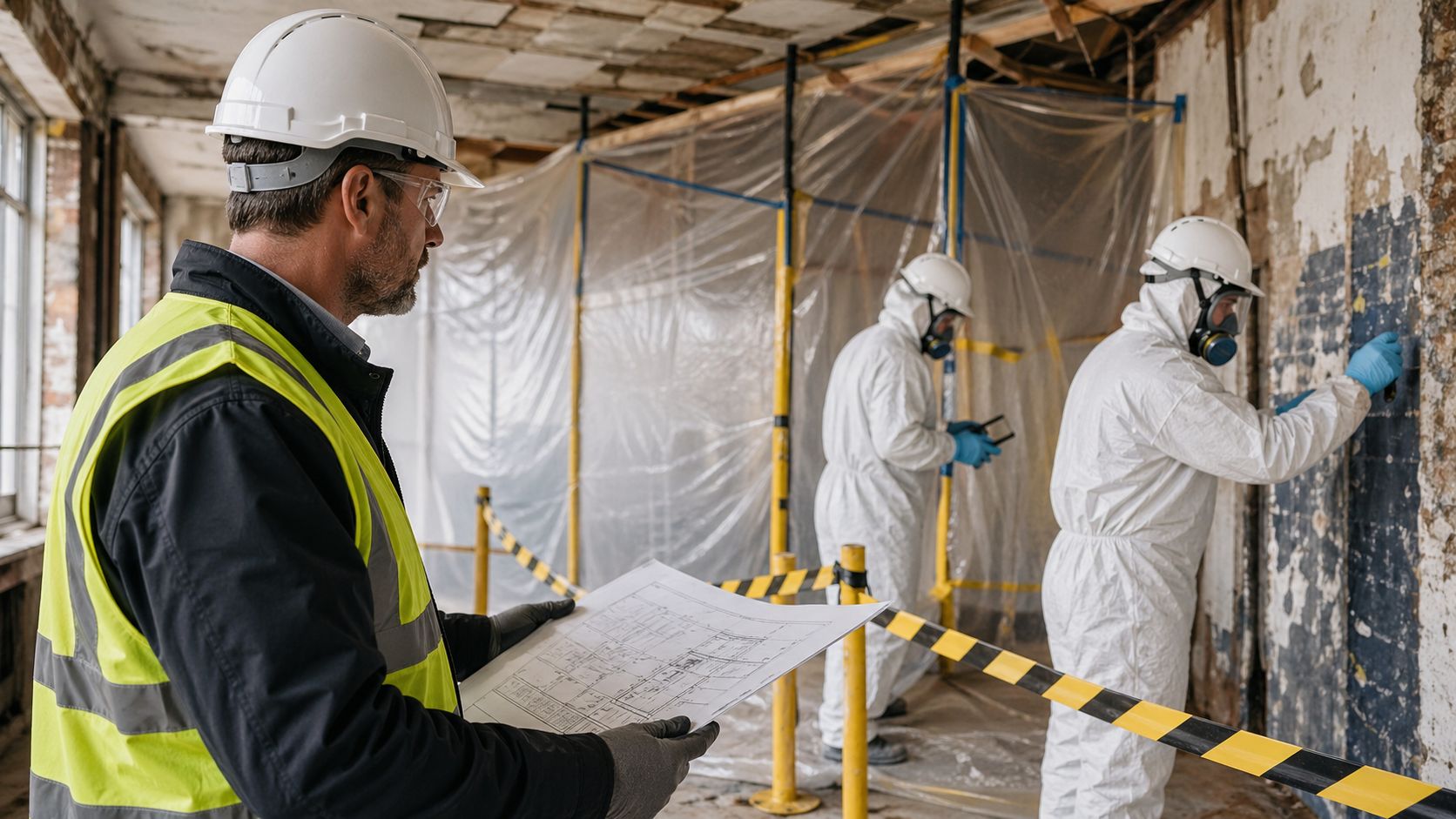
Construction workers are frequently exposed to hazardous substances, including asbestos, silica dust, and various chemicals. Prolonged exposure can lead to serious health issues, including respiratory diseases and cancer. Proper training on handling these substances, along with the use of appropriate personal protective equipment (PPE), is essential.
4. Struck-by Vehicles and Equipment
The movement of vehicles and heavy machinery on construction sites poses a risk of being struck or run over. This hazard can be mitigated by implementing effective site management, clear signage, and high-visibility clothing. Ensuring that all machinery operators are adequately trained and that designated pedestrian zones are established can also help reduce the risk.
5. Manual Handling
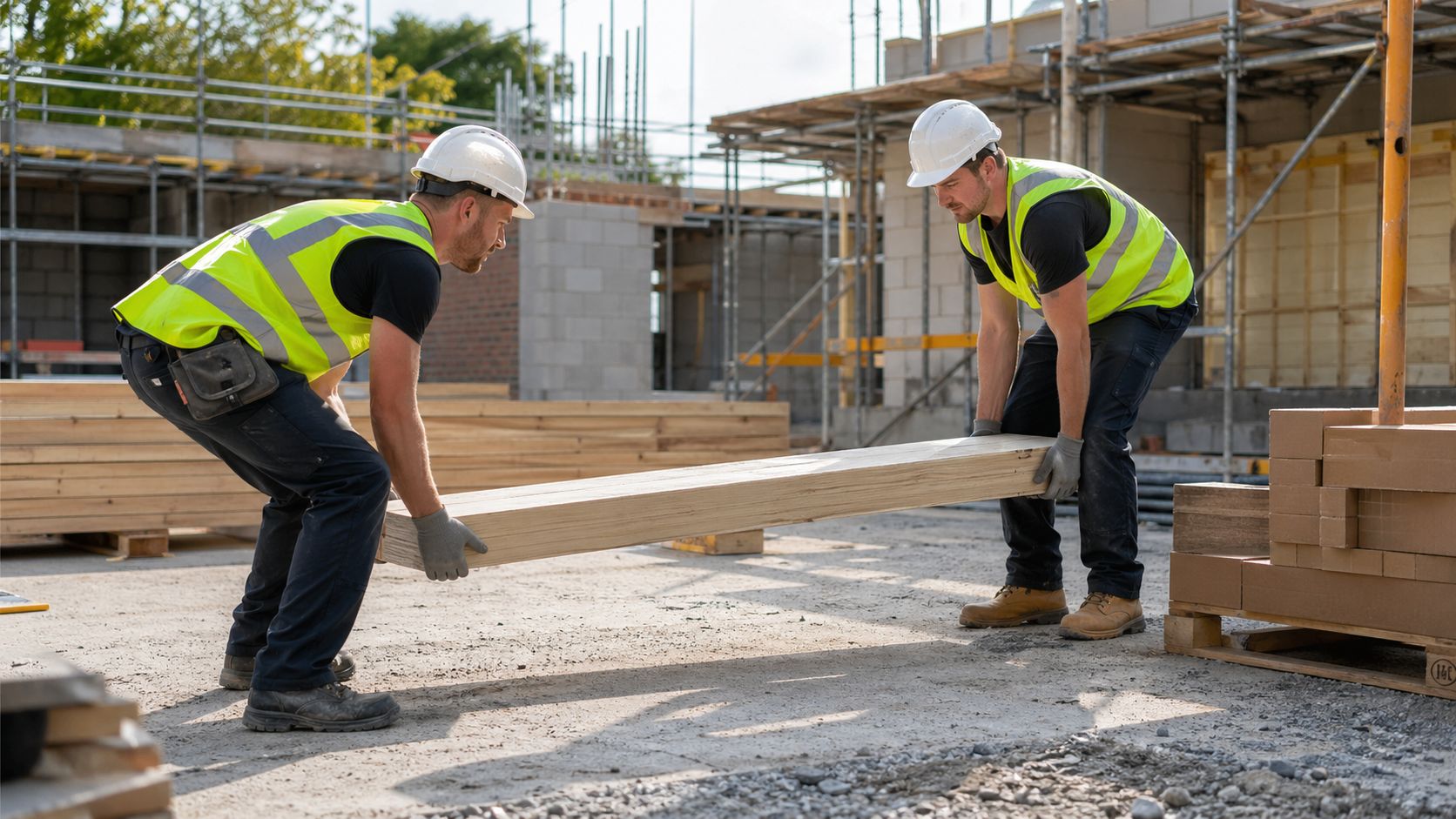
Manual handling tasks, such as lifting, carrying, and moving materials, occur daily on construction sites and can lead to musculoskeletal disorders. Proper lifting techniques, mechanical aids, and training in manual handling can significantly reduce the risk of injury.
6. Electrical Hazards
Construction sites often involve the installation and maintenance of electrical systems, which can present significant risks if not properly managed. Risks include electric shocks and fires caused by faulty wiring or improper use of electrical equipment. Regular inspection of electrical systems, adherence to safety regulations, and appropriate training are critical for preventing electrical accidents.
7. Noise-Induced Hearing Loss
The noise levels on construction sites can be exceptionally high, potentially leading to noise-induced hearing loss. Workers should be provided with adequate hearing protection, and employers should implement measures to reduce noise exposure where possible.
8. Working in Extreme Weather Conditions
Construction workers may be exposed to extreme weather conditions, including high temperatures, cold, and heavy rain. Such conditions can lead to heat stress, hypothermia, and other weather-related health issues. Appropriate protective clothing and regular breaks are crucial for safeguarding workers' health in adverse weather conditions.
9. Site Access and Egress
Safe access to and from construction sites is fundamental to health and safety. Poor site layout and inadequate access routes can lead to accidents and injuries. Ensuring that access routes are well-maintained and marked can help prevent such incidents.
10. Mental Health Issues
The demanding nature of construction work, combined with the pressures of tight deadlines and long hours, can significantly impact mental health. Employers should promote mental well-being by providing support services and fostering an environment where workers feel comfortable discussing their mental health concerns.
From an expert standpoint, it is evident that while many construction site hazards are inherent to construction work, they can be managed effectively with the right strategies and commitment. Emphasising continuous improvement in safety practices and fostering a culture of vigilance can significantly reduce accidents and protect workers' health and well-being. By identifying and mitigating potential hazards, this approach enhances safety and contributes to long-term operational success.
Develop your knowledge and practice
Choose by your actual construction occupation and the evidence you can provide. Explore the Construction qualifications and CSCS pathways or ask SHEC about a suitable study route.

Author:
Nigel Lewis BA (Hons) CMIOSH OSHCR PIEMA








Related blogs
 Advice
Asbestos in Construction: What Senior Professionals Must Know
Advice
Manual Handling in Construction: Responsibilities at Every Level

Advice
Risk Assessments and Method Statements: Getting RAMS Right
Advice
Work at Height in Construction: Managing the Risk

Driving Culture and Performance in HS
Education and Training
Strategic Environmental Management – A Key Requirement at Level 7
Near Miss Reporting in Construction
The Competent Person in Construction: More Than a Certificate
How to Prepare for a HSE Construction Site Inspection
Advice
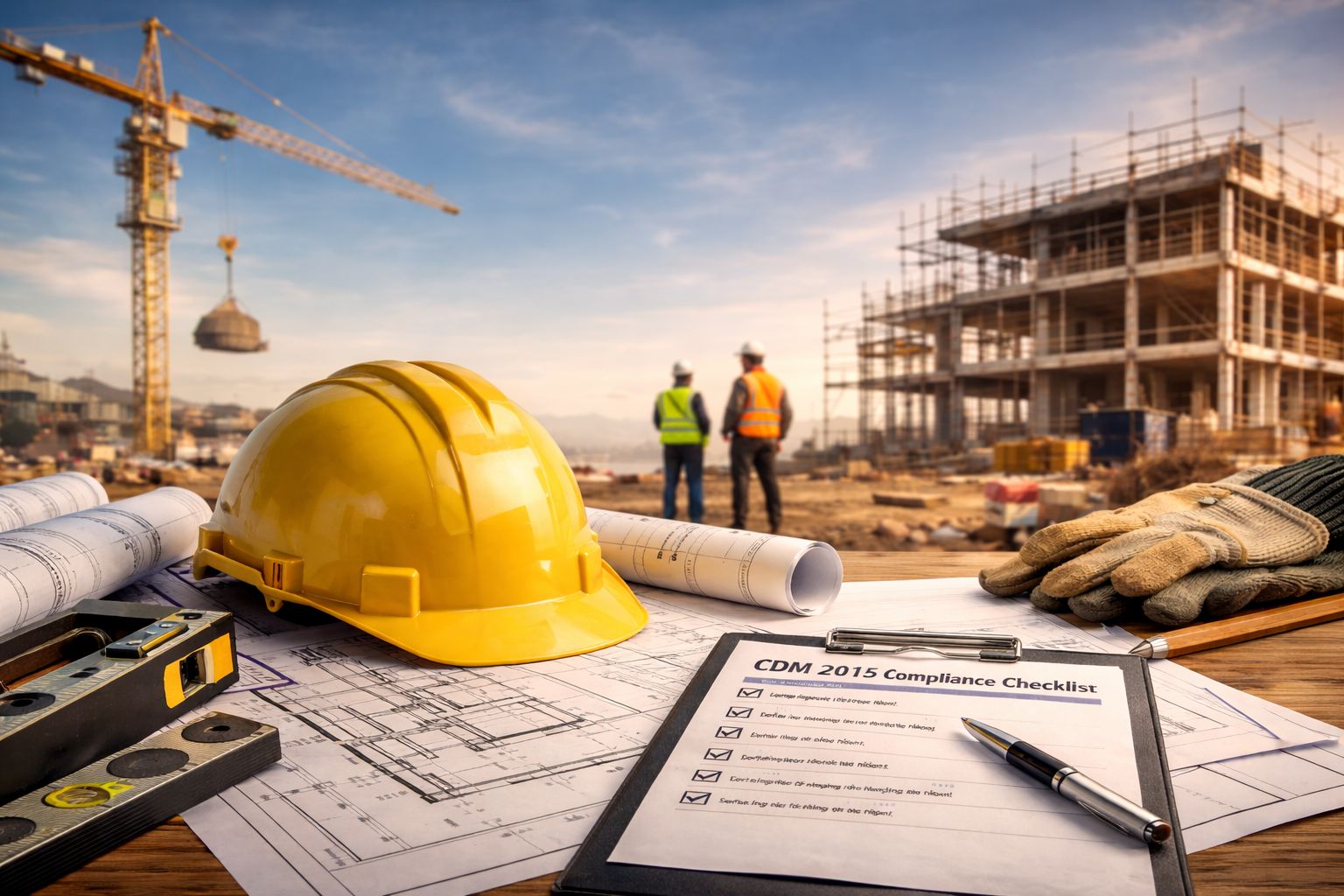
Understanding CDM 2015: A Practical Guide

2024-06-12 16:20:00Advice
Construction Site Inspections: Why They Matter and What to Expect
Education and Training
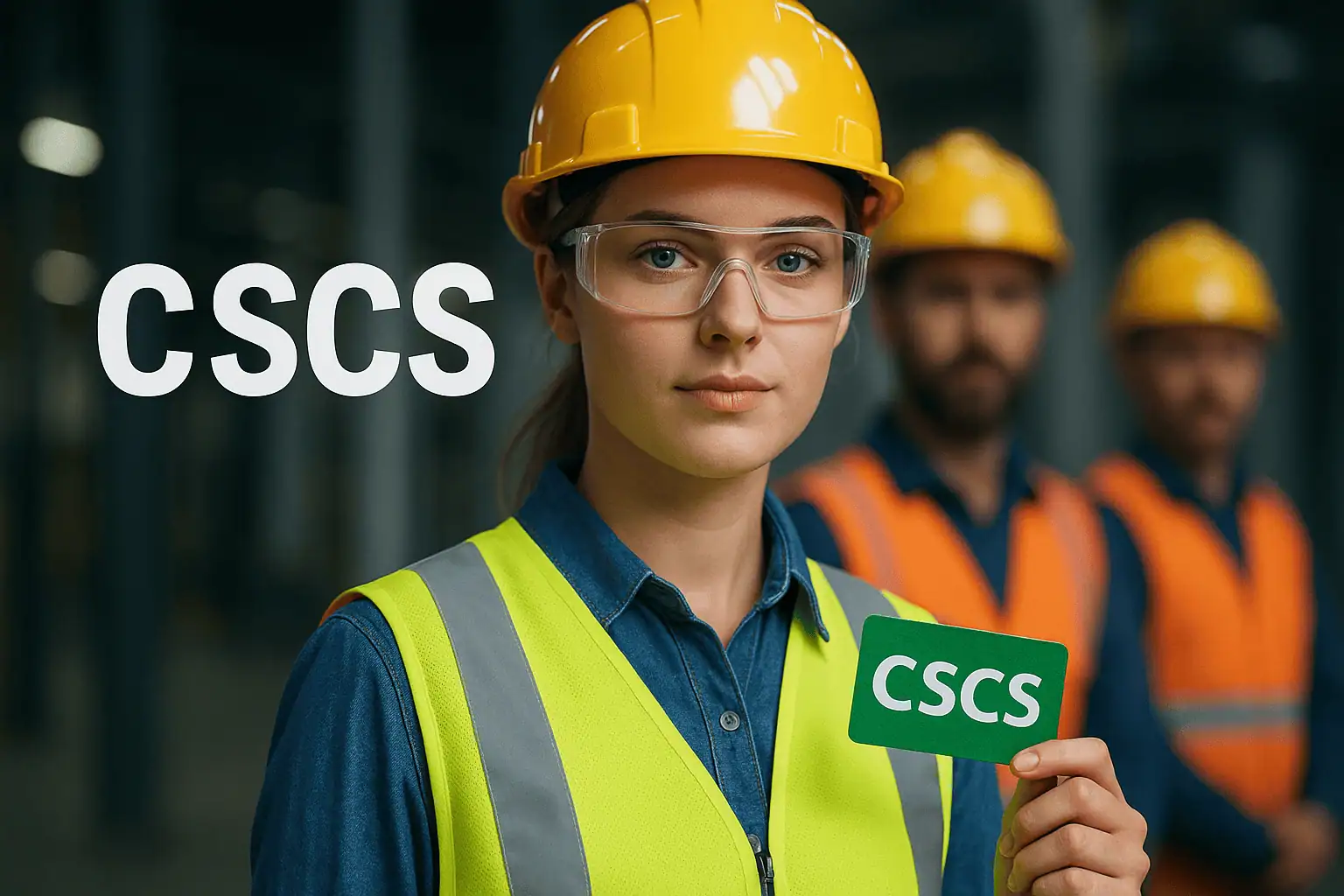
How to Apply for a CSCS Card: A Step-by-Step Guide for UK Construction

Education and Training
Does a Leisure Facility Require a Health and Safety Certificate?
Education and Training
Successful Health and Safety Case Studies in the UK Leisure Industry

Education and Training
Training for Health and Safety in Leisure

Education and Training
Health and Safety Training Programs in the Leisure Industry

Preventive Measures
Case Studies on Health and Safety Success in Leisure

Preventive Measures
Health and Safety in Leisure Centre Changing Rooms

Workplace Culture
Health and Safety Procedures in Hotels
Workplace Culture
Health and Safety in a Leisure Centre