

All blogs
What Is GAP Analysis?
Advice
2025-07-08 15:09:07.418707+00
Author Nigel Lewis BA (Hons) CMIOSH OSHCR PIEMA
Organisations constantly strive for improvement and success in today's fast-paced business world. One of the key methods for businesses to assess their current position and define their future goals is Gap Analysis. This strategic tool helps companies understand their current position, their desired destination, and how to bridge the gap between the two.
Experts often emphasise the importance of continuous improvement and adaptability to stay ahead of the competition. GAP Analysis is one of the most effective tools recommended by these experts for achieving organisational growth and efficiency. But what exactly is GAP Analysis, and how can it benefit an organisation?
Understanding GAP Analysis
GAP analysis is a strategic tool that businesses use to assess the difference, or "gap," between their current and desired future states. This analysis helps to identify areas where improvements are necessary and provides a clear roadmap to achieve organisational goals. Essentially, GAP analysis provides a framework for understanding where an organisation is falling short and what steps must be taken to bridge that gap.
The concept is straightforward: businesses assess their current processes, performance, or resources and compare them against predefined objectives or industry benchmarks. This evaluation helps determine the discrepancies between where the organisation currently stands and where it wants to be.
Applications of Gap Analysis
Gap analysis can be applied to any process, service, or product, focusing on employees within the business and the clients and customers they serve. It serves as a versatile tool to enhance various aspects of organisational performance.
Core Areas of Gap Analysis
The primary components of a gap analysis include:
Why Conduct a Gap Analysis?
A thorough gap analysis helps organisations to:
Gap Analysis in Health & Safety and Construction Training
At SHEC Solutions, we specialise in conducting gap analyses in health & safety and construction training. Our expert team can help you identify and bridge gaps, ensuring your organisation meets its compliance and performance goals.
GAP analysis is a powerful tool that helps businesses identify the gaps between their current performance and desired goals, enabling them to make strategic improvements. By understanding these gaps, companies can make informed decisions, optimise their processes, and enhance their chances of success. Whether you are focusing on performance, skills, or technology, conducting a GAP analysis is a crucial step towards achieving your business objectives and staying ahead in a competitive market.
By regularly conducting GAP analyses and addressing identified gaps, businesses can remain adaptable, efficient, and responsive to internal and external changes, ultimately positioning themselves for long-term success.
Develop your knowledge and practice
Compare qualifications against your responsibilities and experience. Explore the Health & Safety qualifications or ask SHEC about a suitable study route.

Author:
Nigel Lewis BA (Hons) CMIOSH OSHCR PIEMA








Related blogs
 Advice
Asbestos in Construction: What Senior Professionals Must Know
Advice
Manual Handling in Construction: Responsibilities at Every Level

Advice
Risk Assessments and Method Statements: Getting RAMS Right
Advice
Work at Height in Construction: Managing the Risk

Driving Culture and Performance in HS
Education and Training
Strategic Environmental Management – A Key Requirement at Level 7
Near Miss Reporting in Construction
The Competent Person in Construction: More Than a Certificate
How to Prepare for a HSE Construction Site Inspection
Advice
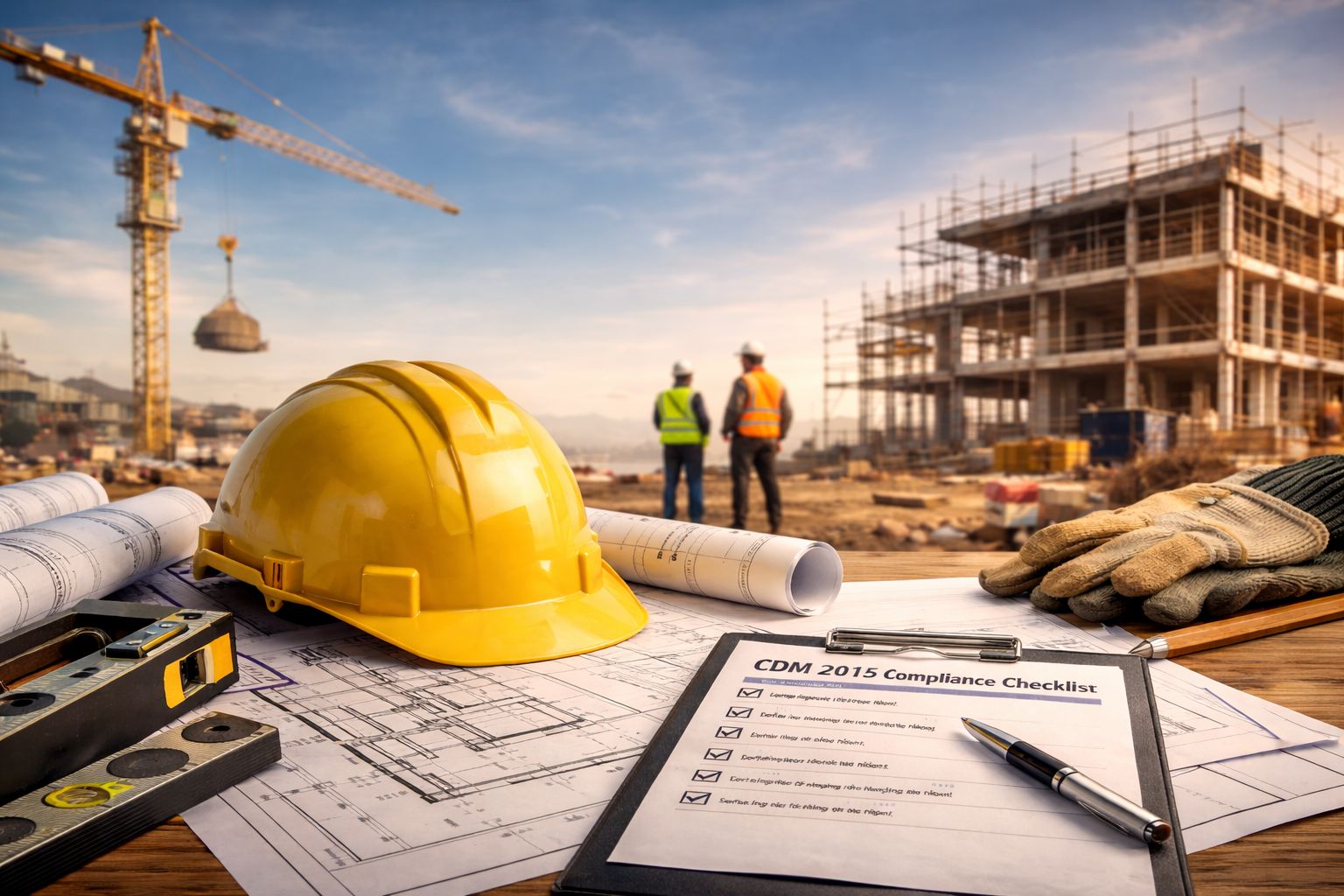
Understanding CDM 2015: A Practical Guide

2024-06-12 16:20:00Advice
Construction Site Inspections: Why They Matter and What to Expect

Education and Training
How to Apply for a CSCS Card: A Step-by-Step Guide for UK Construction

Education and Training
Does a Leisure Facility Require a Health and Safety Certificate?

Education and Training
Successful Health and Safety Case Studies in the UK Leisure Industry

Education and Training
Training for Health and Safety in Leisure

Education and Training
Health and Safety Training Programs in the Leisure Industry

Preventive Measures
Case Studies on Health and Safety Success in Leisure

Preventive Measures
Health and Safety in Leisure Centre Changing Rooms

Workplace Culture
Health and Safety Procedures in Hotels

Workplace Culture
Health and Safety in a Leisure Centre