

All blogs
Workplace Safety Measures for Employees in Leisure Health and Safety
Preventive Measures
2025-07-08 15:09:14.310615+00
Author Nigel Lewis BA (Hons) CMIOSH OSHCR PIEMA
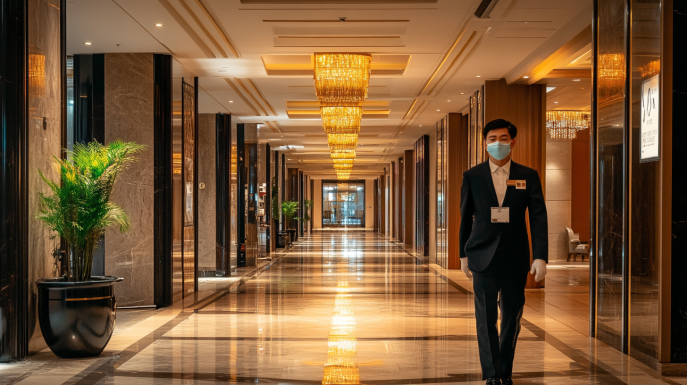
In the world of leisure and fitness, the focus is often on creating spaces that promote fun, relaxation, and well-being for the public. But behind every gym, swimming pool, or sports centre, a team of dedicated employees works tirelessly to ensure everything runs smoothly. Their safety should never be an afterthought. The well-being of staff members is the foundation of any successful leisure facility. Just as we wouldn't think twice about our clients' safety, we must also prioritise the safety of those on the front lines.
Experts highlight that the foundation of any successful leisure facility isn't just the services offered to customers but the safety and well-being of the employees behind the scenes. From fitness trainers to lifeguards, the people who create positive experiences in gyms, pools, and sports centres must feel safe and supported. This post will explore the essential workplace safety measures that protect employees and foster a positive, productive environment, allowing all staff and clients alike to enjoy the benefits of leisure spaces without worry.
1. Risk Assessments and Health and Safety Policies
The first step in maintaining a safe workplace is conducting regular risk assessments. These assessments should identify potential hazards, from slip and trip risks to more specific threats like handling heavy equipment or managing large groups. By identifying these hazards, employers can develop comprehensive health and safety policies that set clear employee guidelines for preventing accidents.
2. Employee Training and Education
Training is a critical component of any safety plan. Employees in leisure and health settings should receive training in various areas:
3. Personal Protective Equipment (PPE)
In certain leisure environments, personal protective equipment is a must. For example, lifeguards should wear appropriate buoyancy aids, and staff handling cleaning chemicals should have gloves and goggles. It's essential to assess which tasks require PPE, provide it to employees, and ensure they are trained to use it properly.
4. Safe Equipment Usage and Maintenance
Leisure facilities often contain specialised equipment, such as exercise machines, pools, and safety barriers. Regular inspection and maintenance of all equipment are vital to preventing malfunctions that could cause harm. Employees should be trained to use the equipment safely, and clear guidelines should be established for reporting any issues.
5. Emergency Procedures and Evacuation Plans
In case of an emergency, having a well-established evacuation plan is critical. All employees should know their roles in an emergency and how to evacuate safely, whether in response to a fire, medical emergency, or other incidents. Regular drills should be conducted so everyone is prepared when a situation arises.
6. Safe Working Conditions
Leisure health and safety measures also include maintaining a safe working environment. This includes ensuring that the workplace is clean, free of hazards like slippery floors, and adequately lit. Temperature control is essential, particularly in gyms and indoor pools where employees may exert physical effort.
7. Mental Health and Wellbeing
Physical health isn't the only concern regarding workplace safety. Mental health and stress are major factors impacting employee well-being in the leisure sector. Providing employees with mental health support, whether through counselling services or creating a positive, supportive work environment, can help prevent burnout and promote overall wellness.
8. Client Interaction and Crowd Management
In leisure settings, managing customer behaviour is essential to ensuring safety. Staff should be trained to handle difficult situations, manage crowds, and de-escalate conflicts. By promoting a respectful atmosphere, employers can reduce the likelihood of staff being put in challenging or unsafe situations.
Incorporating expert-recommended safety measures into leisure facilities' daily operations is not just a legal obligation, it's a commitment to creating a thriving, supportive environment for employees. When employees feel safe and valued, they are more likely to perform at their best, ensuring a positive patron experience and a sustainable, successful operation. Remember, workplace safety isn't just about avoiding risks; it's about promoting an environment where people can grow, succeed, and truly enjoy their work.
Develop your knowledge and practice
Compare qualifications against your responsibilities and experience. Explore the Health & Safety qualifications or ask SHEC about a suitable study route.

Author:
Nigel Lewis BA (Hons) CMIOSH OSHCR PIEMA








Related blogs
 Advice
Asbestos in Construction: What Senior Professionals Must Know
Advice
Manual Handling in Construction: Responsibilities at Every Level
Advice
Risk Assessments and Method Statements: Getting RAMS Right
Advice
Work at Height in Construction: Managing the Risk

Driving Culture and Performance in HS
Education and Training
Strategic Environmental Management – A Key Requirement at Level 7
Near Miss Reporting in Construction
The Competent Person in Construction: More Than a Certificate
How to Prepare for a HSE Construction Site Inspection
Advice
Understanding CDM 2015: A Practical Guide

2024-06-12 16:20:00Advice
Construction Site Inspections: Why They Matter and What to Expect
Education and Training
How to Apply for a CSCS Card: A Step-by-Step Guide for UK Construction
Education and Training
Does a Leisure Facility Require a Health and Safety Certificate?
Education and Training
Successful Health and Safety Case Studies in the UK Leisure Industry

Education and Training
Training for Health and Safety in Leisure

Education and Training
Health and Safety Training Programs in the Leisure Industry
Preventive Measures
Case Studies on Health and Safety Success in Leisure
Preventive Measures
Health and Safety in Leisure Centre Changing Rooms

Workplace Culture
Health and Safety Procedures in Hotels
Workplace Culture
Health and Safety in a Leisure Centre