

All blogs
Workplace Safety Measures for Hospitality Employees
Preventive Measures
2025-07-08 15:09:10.715006+00
Author Nigel Lewis BA (Hons) CMIOSH OSHCR PIEMA
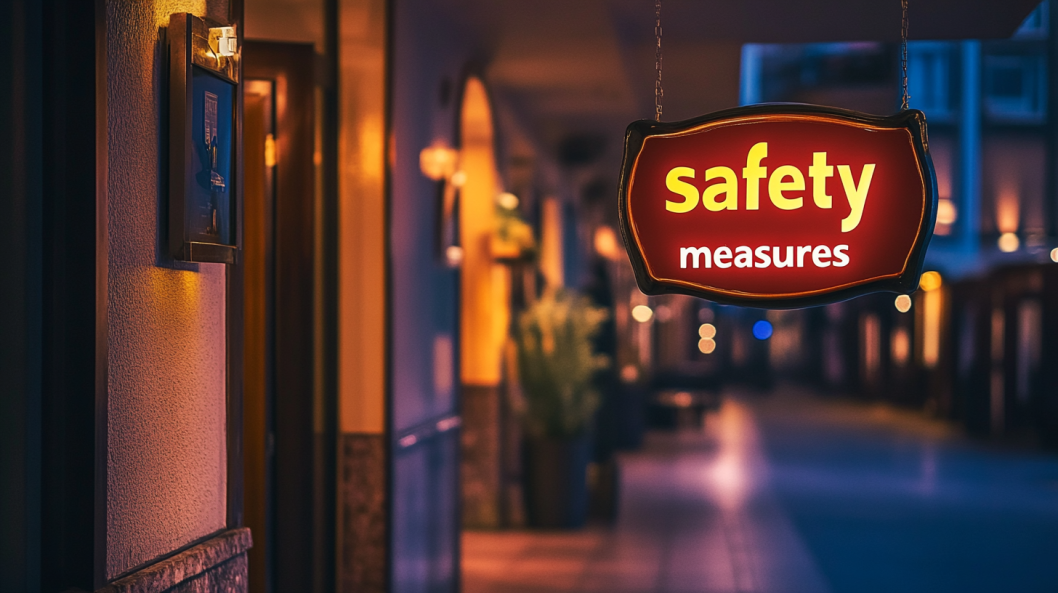
Ensuring the safety of employees in the hospitality sector is not only a legal obligation but also a fundamental aspect of running a successful business. Hotel health and safety is particularly crucial, as the industry, renowned for its fast-paced and often high-stress environment, presents unique challenges that necessitate robust safety measures.
In my professional opinion, the hospitality industry stands as one of the most demanding sectors, where the well-being of employees should be a top priority. The nature of this fast-paced environment, with its high levels of customer interaction and physical demands, makes it essential to establish rigorous safety measures. Effective health and safety practices are critical in ensuring employees can perform their duties without risk. We safeguard our workforce and enhance operational efficiency by embedding comprehensive safety protocols into daily operations.
According to the Health and Safety Executive (HSE), businesses in the hospitality sector report a significant number of workplace injuries each year, underscoring the need for comprehensive safety protocols. As we navigate the complexities of this industry, it’s crucial to implement comprehensive safety protocols to safeguard our most valuable asset: Our Employees.
1. Comprehensive Training Programs
The cornerstone of a safe workplace is effective training. Employees should undergo rigorous training covering essential safety practices, including proper handling of food and beverages, the safe operation of equipment, and emergency procedures. Regular refresher courses are equally important to keep staff updated on the latest safety regulations and techniques. The Management of Health and Safety at Work Regulations 1999 mandate that employers provide adequate training to ensure employees' safety and health.
2. Health and Safety Policies
Establishing clear health and safety policies is vital. These policies should encompass everything from personal protective equipment (PPE) requirements to procedures for reporting hazards and incidents. A well-documented health and safety policy not only ensures compliance with legal obligations but also fosters a culture of safety within the workplace.
3. Ergonomic Considerations
The hospitality industry often involves prolonged standing, repetitive tasks, and heavy lifting. Implementing ergonomic solutions can significantly reduce the risk of musculoskeletal injuries. Encourage employees to use proper lifting techniques, provide adjustable workstations, and ensure that rest breaks are part of the daily routine to mitigate fatigue.
4. Hazard Identification and Risk Assessment
Regular hazard identification and risk assessments are crucial for maintaining a safe working environment. Conduct thorough workplace inspections to identify potential hazards, such as slip and trip risks, and address them promptly. Risk assessments should be revisited periodically to adapt to any changes in the work environment.
5. Personal Protective Equipment (PPE)
Appropriate PPE is essential for mitigating risks associated with specific tasks. Ensure that employees have access to the necessary PPE, such as gloves, aprons, and non-slip shoes, and that they are trained in its correct use and maintenance. PPE should be regularly inspected and replaced as needed to ensure its effectiveness.
6. Emergency Preparedness
Emergency preparedness is critical for workplace safety. Develop and communicate a comprehensive emergency response plan, including evacuation procedures, first aid protocols, and contact information for emergency services. Regular drills should be conducted to ensure that employees are familiar with the procedures and can act swiftly in an emergency.
7. Mental Health Support
In addition to physical safety, mental health support is increasingly recognised as a crucial component of workplace well-being. The hospitality industry can be demanding, and providing resources such as counselling services, stress management training, and fostering a supportive work environment can help address mental health concerns effectively.
8. Regular Safety Audits
Conducting regular safety audits helps to identify any gaps in safety measures and ensures ongoing compliance with health and safety regulations. Audits should be thorough and include input from employees at all levels to gain a comprehensive understanding of potential safety issues and areas for improvement.
As we advance in the hospitality sector, we must elevate our commitment to employee safety. From my expert perspective, prioritising health and safety measures safeguard staff and enhances overall business performance. The investment in a comprehensive safety strategy reflects a forward-thinking approach that benefits everyone—employees, customers, and the organisation as a whole. A proactive stance on workplace safety is a regulatory requirement and a strategic advantage that fosters a thriving, resilient workforce.
Develop your knowledge and practice
Compare qualifications against your responsibilities and experience. Explore the Health & Safety qualifications or ask SHEC about a suitable study route.

Author:
Nigel Lewis BA (Hons) CMIOSH OSHCR PIEMA








Related blogs
 Advice
Asbestos in Construction: What Senior Professionals Must Know

Advice
Manual Handling in Construction: Responsibilities at Every Level

Advice
Risk Assessments and Method Statements: Getting RAMS Right

Advice
Work at Height in Construction: Managing the Risk

Driving Culture and Performance in HS

Education and Training
Strategic Environmental Management – A Key Requirement at Level 7

Near Miss Reporting in Construction
The Competent Person in Construction: More Than a Certificate
How to Prepare for a HSE Construction Site Inspection
Advice
Understanding CDM 2015: A Practical Guide

2024-06-12 16:20:00Advice
Construction Site Inspections: Why They Matter and What to Expect

Education and Training
How to Apply for a CSCS Card: A Step-by-Step Guide for UK Construction

Education and Training
Does a Leisure Facility Require a Health and Safety Certificate?
Education and Training
Successful Health and Safety Case Studies in the UK Leisure Industry

Education and Training
Training for Health and Safety in Leisure

Education and Training
Health and Safety Training Programs in the Leisure Industry

Preventive Measures
Case Studies on Health and Safety Success in Leisure

Preventive Measures
Health and Safety in Leisure Centre Changing Rooms

Workplace Culture
Health and Safety Procedures in Hotels
Workplace Culture
Health and Safety in a Leisure Centre