

All blogs
Work at Height in Construction: Managing the Risk
Advice
2026-04-29 16:02:43.31682+00
Author Nigel Lewis BA (Hons) CMIOSH OSHCR PIEMA
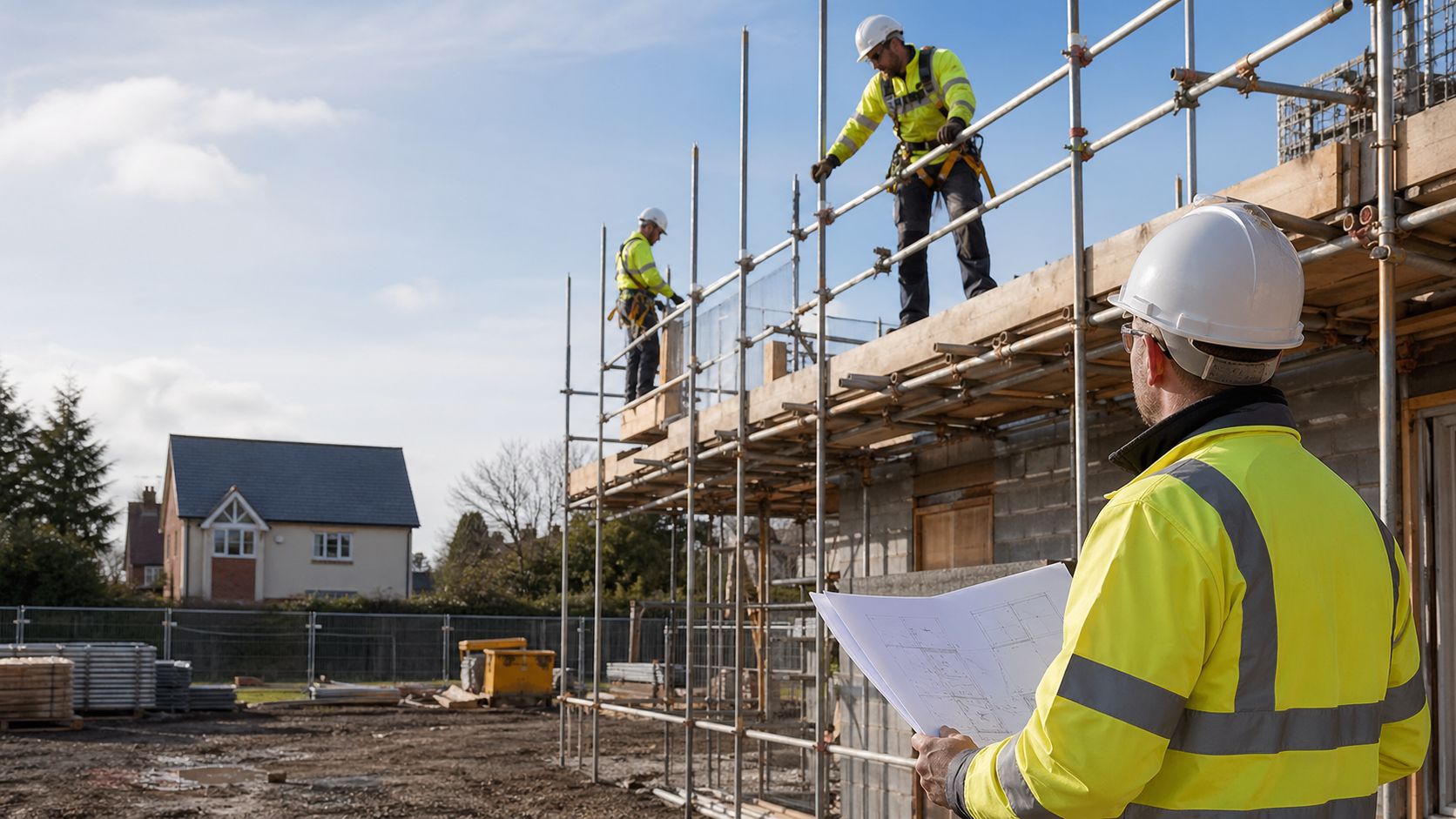
Falls from height remain the single largest cause of fatal injuries in the UK construction industry. Year after year, they account for the highest proportion of worker deaths on site, and the majority are preventable. For anyone managing a construction project, understanding what the law requires and what genuinely effective control looks like is non-negotiable.
What the Regulations Require
The Work at Height Regulations 2005 apply whenever there is a risk of falling a distance likely to cause injury, including at ground level near excavations or voids. Duty holders must follow a hierarchy: avoid work at height where possible; if unavoidable, prevent falls with collective protection; and, if risk remains, minimise the consequences of a fall. Choosing fall arrest equipment before considering collective protection, such as edge protection or working platforms, does not comply with the hierarchy of controls. Inspectors specifically assess this during site visits.
Planning Before the Work Starts
Effective risk management at height starts well before work begins. A competent person must plan the task, select and inspect appropriate access equipment, and confirm emergency and rescue arrangements. These steps are part of the broader risk assessment and method statement process. A well-written risk assessment should determine control measures, not simply document them after decisions are made. Common failures identified in HSE enforcement data include missing or inadequate edge protection, unmarked fragile roof surfaces, use of ladders where safer access was possible, and uninspected equipment. These issues are not random; they indicate shortcomings in planning and supervision at the management level.
Supervision and Competence on Site
Active supervision is a legal requirement, not optional. Supervisors must be competent to oversee the specific work, understand the risks, recognise appropriate controls, and have the authority to stop work if necessary. This directly relates to the competent person requirement central to UK construction health and safety law. Holding a certificate alone does not demonstrate competence for managing high-risk activities; competence also requires experience and sound judgment in real-world conditions.
The Senior Manager's Responsibility
Site managers and senior health and safety professionals must ensure consistent standards across all operations, including subcontracted work. Method statements should specifically address work at height. Internal site inspections must verify that controls are in place, and near-miss data should be used to identify trends before incidents occur. Individuals seeking formal recognition of management competence, whether through a Level 6 NVQ in Construction Site Management or a Level 7 NVQ in Construction Senior Management, will find that work at height is a recurring theme in the required evidence. It is a clear indicator of whether health and safety are truly integrated into project planning and execution.

Author:
Nigel Lewis BA (Hons) CMIOSH OSHCR PIEMA








Related blogs
 Advice
Asbestos in Construction: What Senior Professionals Must Know
Advice
Manual Handling in Construction: Responsibilities at Every Level

Advice
Risk Assessments and Method Statements: Getting RAMS Right
Advice
Work at Height in Construction: Managing the Risk

Driving Culture and Performance in HS
Education and Training
Strategic Environmental Management – A Key Requirement at Level 7
Near Miss Reporting in Construction
The Competent Person in Construction: More Than a Certificate
How to Prepare for a HSE Construction Site Inspection
Advice
Understanding CDM 2015: A Practical Guide

2024-06-12 16:20:00Advice
Construction Site Inspections: Why They Matter and What to Expect

Education and Training
How to Apply for a CSCS Card: A Step-by-Step Guide for UK Construction

Education and Training
Does a Leisure Facility Require a Health and Safety Certificate?

Education and Training
Successful Health and Safety Case Studies in the UK Leisure Industry

Education and Training
Training for Health and Safety in Leisure

Education and Training
Health and Safety Training Programs in the Leisure Industry

Preventive Measures
Case Studies on Health and Safety Success in Leisure

Preventive Measures
Health and Safety in Leisure Centre Changing Rooms

Workplace Culture
Health and Safety Procedures in Hotels

Workplace Culture
Health and Safety in a Leisure Centre